What Are IV Fluids, and Are They Right for You?
Discover what IV fluids really are, how they work, and what to ask before your first wellness IV session in Pahrump, Nevada.

Most IV hydration side effects are mild and short-lived, such as needle-site soreness, a small bruise, or brief lightheadedness or nausea that usually fades on its own.
Serious risks like infection, blood clots, fluid overload, electrolyte imbalance, and allergic reactions are rare but possible, so clean technique and trained staff matter.
People with heart disease, kidney disease, liver disease, blood thinner use, allergies, or pregnancy should get a licensed provider's review before any elective drip.
Eating a light meal beforehand and speaking up during the drip about pain, burning, dizziness, or chest tightness can help prevent or quickly address problems.
Seek urgent care for fever, chills, spreading redness, a hard painful vein, shortness of breath, chest pain, or facial, lip, or throat swelling after a drip.
Evidence for glowing skin or big energy gains from elective vitamin drips is limited, and compounded IV mixtures are not FDA-approved as finished products, so choose a clinic with real medical oversight.
Thinking about an IV drip to refresh your skin, boost your energy, or bounce back after a long weekend? You are not alone. IV hydration has become a favorite self-care treat for busy professionals, wellness fans, and anyone who wants to feel their best. But before you roll up your sleeve, it helps to ask one smart question: what are the side effects of IV hydration?
Here is the good news. For most healthy people, an IV drip given by trained professionals is well tolerated. Still, no treatment is risk-free just because it happens in a spa-like setting. Some side effects are small and short-lived. A few are rare but serious. Knowing the difference helps you make a confident choice.
In this friendly guide, we walk through 10 side effects, who is more likely to have them, and how to lower your risk. We also share what to look for in a safe clinic. At Enhanced Aesthetics & Wellness in Pahrump, Nevada, we believe informed clients get the best results. Let’s dive in.
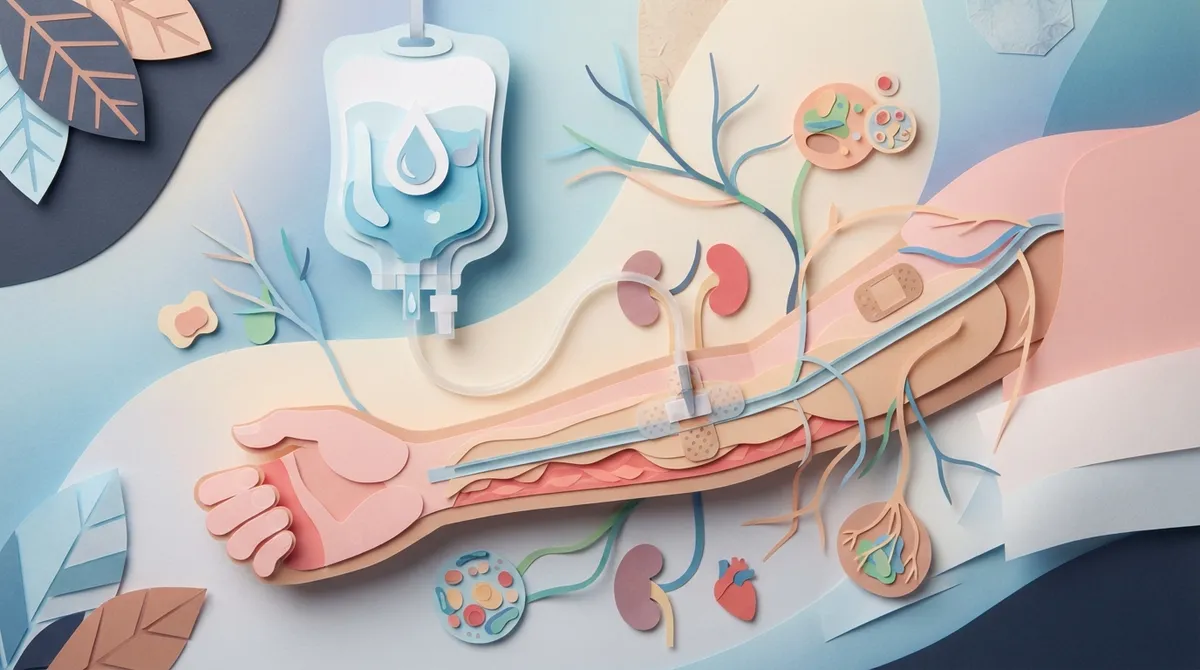
In medical aesthetics, IV hydration usually means an elective infusion of fluids. Sometimes vitamins, minerals, or other add-ons are mixed in. The fluid goes straight into a vein through a small tube called a cannula.
Side effects depend on several things:
One honest note: no one tracks how many IV hydration clinics exist or how often problems happen. The American College of Clinical Pharmacy noted in its 2025 position statement that this use is not monitored at the federal or state level. So reliable rates of side effects for elective clinic drips are not available. We will not guess at numbers. Instead, we will explain what is known from clinical reports and expert guidance.
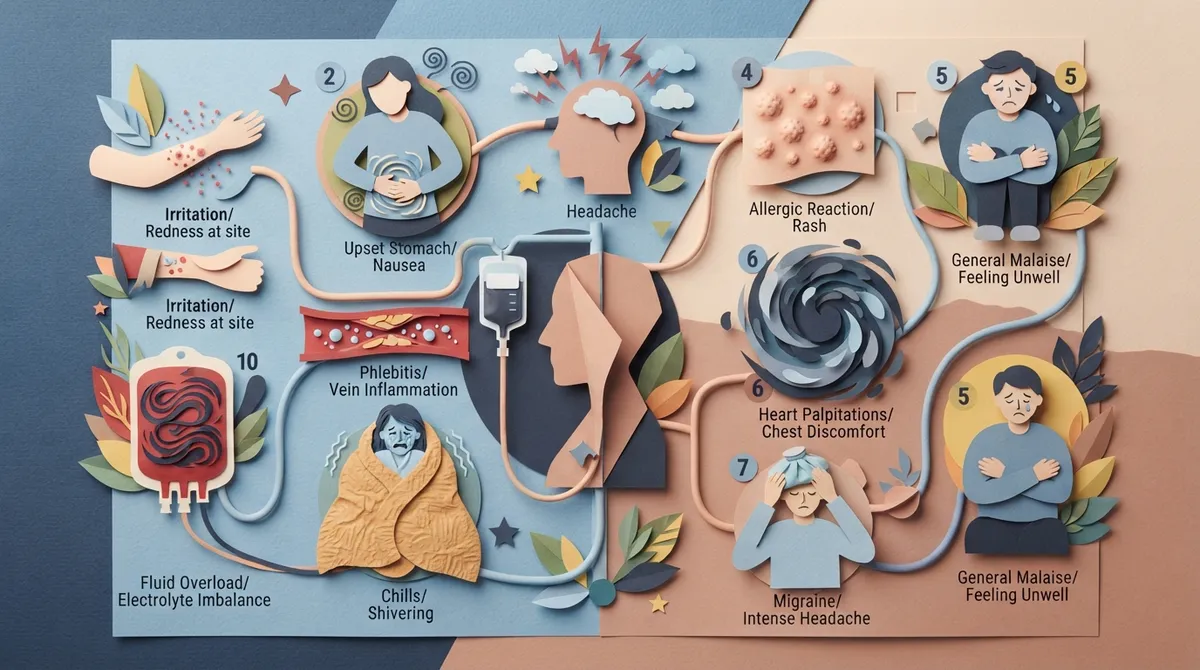
This is the most common one. You may feel a quick pinch when the needle goes in. Some people also feel mild soreness or a cool, stinging feeling while the fluid runs. It usually fades soon after the drip ends.
Small veins can leak a little blood under the skin. That causes a bruise that may look purple, blue, or yellow-green as it heals. Bruises are usually harmless and clear up in a few days. People who take blood thinners or have fragile veins may bruise more easily.
Some people feel dizzy, queasy, or a bit shaky during or after an infusion. This can happen if the drip runs too fast, if you are nervous about needles, or if you have not eaten. Eating a light meal beforehand and telling your nurse how you feel can help.
Sometimes the cannula slips or the vein wall gives way. Fluid then seeps into the tissue around the vein instead of staying in the vein. You may notice swelling, tightness, coolness, or pain at the site. If this happens, the clinician should stop the drip right away and check the area.
Phlebitis means the vein becomes irritated. You may see redness, warmth, and tenderness along the vein. The vein can feel firm or cord-like. Mild cases settle with simple care. But increasing pain, swelling, or redness deserves a medical check.
In rare cases, an irritated vein can form a clot. This is not typical, but it is one reason clinics screen clients and watch the IV site. A firm, tender, swollen vein or pain that keeps getting worse should be assessed by a medical professional.
Infection is a serious risk if the skin, equipment, or fluid is not kept sterile. Reports linked to IV infusion services include local skin infection, bloodstream infection, and sepsis. Warning signs include fever, chills, spreading redness, pus, or feeling suddenly very unwell. Seek care quickly if you notice these after a drip.
Too much fluid, or fluid given too fast, can overload the body. This matters most for people with heart disease, kidney disease, or trouble balancing fluids. Signs may include swelling in the legs, shortness of breath, or a fast heartbeat. This is why a health screening before any drip is so important.
Electrolytes like sodium, potassium, and magnesium keep your heart, nerves, and muscles working. The wrong fluid or too many added electrolytes can throw them off. Symptoms can include muscle cramps, weakness, confusion, or an irregular heartbeat. A trained prescriber chooses the formula to fit your needs, not a one-size-fits-all bag.
Any vitamin, mineral, or medicine can trigger an allergic reaction in a sensitive person. Signs include rash, itching, swelling, wheezing, or trouble breathing. Some ingredients also cause problems at high doses. For example, high-dose vitamin C may be a concern for people with kidney disease or a history of oxalate kidney stones. Ingredients can also interact with the medicines you already take.
| Side Effect | How Serious | What It May Feel Like | What to Do |
|---|---|---|---|
| Needle-site pain | Mild | Pinch, soreness, cool sting | Tell your nurse; usually fades fast |
| Bruising or bleeding | Mild | Purple or blue mark | Apply gentle pressure; watch the site |
| Lightheadedness or nausea | Mild | Dizzy, queasy, shaky | Speak up so the drip can be slowed |
| Infiltration | Mild to moderate | Swelling, tightness, pain at site | Stop the drip; have the area checked |
| Phlebitis | Moderate | Red, warm, tender vein | Get assessed if pain or swelling grows |
| Blood clot | Serious | Firm, swollen, painful vein | Seek medical care promptly |
| Infection | Serious | Fever, chills, spreading redness | Seek urgent medical care |
| Fluid overload | Serious | Swelling, shortness of breath | Seek urgent medical care |
| Electrolyte imbalance | Moderate to serious | Cramps, weakness, irregular heartbeat | Seek medical care |
| Allergic reaction | Mild to serious | Rash, itching, trouble breathing | Alert staff at once; call 911 if severe |
Some people need extra caution or should skip elective IV hydration. Talk with your provider first if any of these apply to you:
This list is not complete, and it is not medical advice. A one-on-one screening with a licensed provider is the best way to know what is safe for you.
This is a fair question. Many clients love how they feel after a drip, and hydration can feel wonderful if you are truly dehydrated. But strong proof for glowing skin or big energy gains from elective vitamin drips is limited. Respected health sources, including the Cleveland Clinic, note that many claims around IV vitamin therapy are stronger than the evidence behind them.
That is why we like to set honest expectations. An IV drip can be a nice part of a wellness plan, but it is not a magic fix. If you are curious about how a drip compares with other options, our guide on IV drip vs. oral supplements breaks it down in plain language.
Good news: you can do a lot to protect yourself. Follow these steps:
It also helps to avoid common slip-ups. Our post on IV hydration mistakes to avoid offers more practical tips.
Not every clinic is run the same way. Safe practice goes beyond a pretty waiting room. Here is what to look for:
It is also worth knowing that compounded IV mixtures are not FDA-approved as finished products for safety, effectiveness, and quality before they are sold. That makes the clinic’s standards and oversight even more important. For a deeper look at choosing wisely, read our tips on mistakes to avoid when choosing a wellness clinic.
Most mild effects pass on their own. But some signs should never be ignored. Get medical help right away if you notice any of these:
When in doubt, call your provider or seek urgent care. It is always better to check than to wait.
We want you to feel comfortable from the moment you walk in. Here at Enhanced Aesthetics & Wellness in Pahrump, we take time to understand your goals and health background first. Then we help you decide whether IV hydration therapy makes sense for you. Our popular Myers Cocktail starts at $150, with optional add-ons such as glutathione, biotin, and zinc.
If you want to learn more about this classic blend, see our guide to getting a Myers Cocktail IV therapy in Pahrump. Curious about what a visit feels like? Our overview of what to expect at a med spa IV visit walks you through it step by step.
Want to see what other clients say? You can visit us on Google — Enhanced Aesthetics & Wellness and read their experiences. We are also happy to chat on our Instagram or our Facebook page.
IV hydration is just one tool in a bigger picture. Some clients pair it with other supports, depending on their goals and a provider’s guidance. For example, you might explore vitamin B12 injections for a quick, simple option, or learn about NAD therapy if healthy aging is on your mind. Our provider can help you sort out what fits your life.
So, what are the side effects of IV hydration? Most are mild, like a little soreness, a small bruise, or a touch of dizziness. Rarely, more serious issues such as infection, clots, fluid overload, electrolyte problems, or allergic reactions can happen. Your risk depends on your health, the formula, and the care standards of the clinic you choose.
The best protection is simple. Be honest about your health, ask plenty of questions, and pick a clinic with trained staff and real medical oversight. You deserve to feel safe and cared for every step of the way.
Ready to talk it through with a team that puts your well-being first? Contact us with your questions, or book an appointment to see if IV hydration is right for you. We would love to help you glow, safely.
Q: What are the most common side effects of IV hydration?
A: The most common ones are mild and short-lived. Think soreness, a small bruise, or a little lightheadedness or nausea during or after your drip. They usually fade on their own, and your nurse can help if you feel off at any point.
Q: Can IV hydration cause an infection or a blood clot?
A: Yes, though these are less common. Infection can happen if sterile steps are not followed, and a clot can form if a vein becomes irritated. That is why clean technique, trained staff, and watching the IV site matter so much.
Q: Is IV hydration safe for people with heart or kidney disease?
A: Not always. Extra fluid or certain added ingredients can strain the heart or kidneys, so these clients need a careful review with a licensed provider first. Never skip your health screening, and always share your full medical history.
Q: How long do IV hydration side effects last?
A: Mild effects like soreness or bruising often settle within a few days. Anything that gets worse, such as growing pain, swelling, fever, or trouble breathing, needs prompt medical attention instead of waiting it out.
Q: What symptoms after an IV drip need urgent medical care?
A: Get help right away for fever, chills, spreading redness, a hard and painful vein, shortness of breath, chest pain, or swelling of the face or throat. When something feels wrong, trust your gut and call your provider or seek urgent care.
Discover what IV fluids really are, how they work, and what to ask before your first wellness IV session in Pahrump, Nevada.

Embrace a healthier lifestyle with whole foods. Learn how unprocessed eating boosts energy, aids weight loss, and improves well-being.
