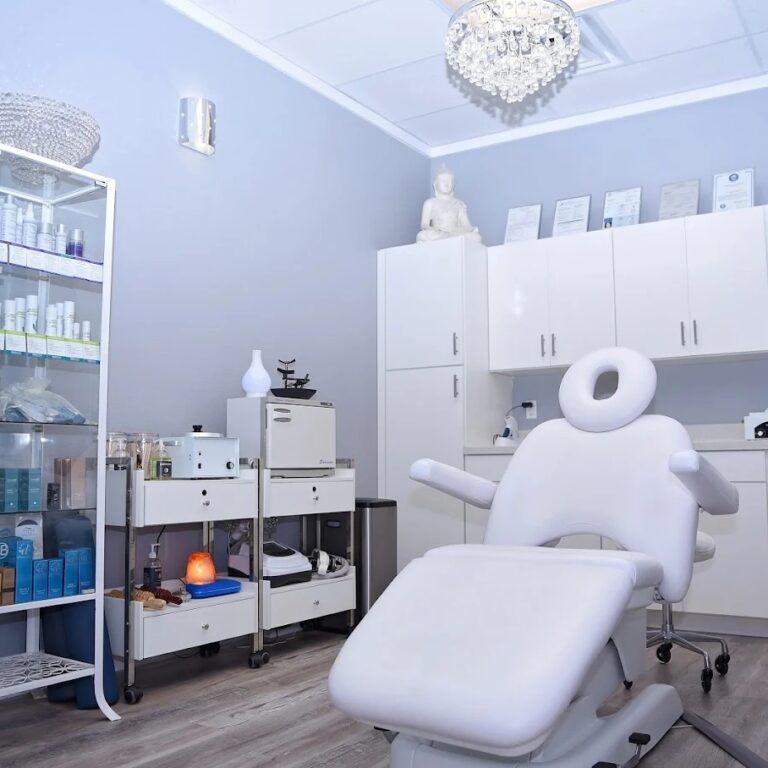
Top-rated Peptide Clinic Near Me That Offers Real Results
Trusted peptide clinic near me offering personal care & effective therapies. Feel better, look younger—book today!


Laser treatments like BBL and DEKA can dramatically reduce rosacea symptoms by targeting dilated blood vessels and inflammation beneath the skin's surface.
Most patients see noticeable rosacea improvement after 3-5 laser treatment sessions, with continued results developing between appointments.
Different laser technologies can be combined (BBL, DEKA, Morpheus8) to comprehensively address rosacea symptoms like redness, texture, and inflammation.
Proper post-treatment care is critical, including avoiding sun exposure, using gentle skincare, and following specific healing guidelines from your provider.
Laser rosacea treatments work best when combined with medical management, identifying personal triggers, and using appropriate skincare products.
If you’ve been dealing with the redness, visible blood vessels, and frustration that comes with rosacea, you’re not alone. Millions of people struggle with this chronic skin condition, and finding effective treatment can feel overwhelming. The good news? Advanced laser treatments available right here in Pahrump, Nevada can dramatically reduce rosacea symptoms and help you regain confidence in your skin. At Enhanced Aesthetics & Wellness, we understand how rosacea affects your daily life, and we’re here to guide you through the best treatment options that deliver real results.
Rosacea shows up differently for everyone. Some people experience persistent facial redness, while others deal with bumps that look like acne or thickened skin texture. The condition often worsens with triggers like sun exposure, stress, spicy foods, or temperature changes. Traditional creams and medications can help manage symptoms, but laser treatments offer something more powerful: they target the root causes of rosacea by addressing the dilated blood vessels and inflammation beneath your skin’s surface.

Laser technology has transformed how we treat rosacea. These advanced systems work by delivering precise wavelengths of light energy into your skin. This energy targets the hemoglobin in dilated blood vessels, causing them to collapse and fade over time. As your body naturally absorbs these damaged vessels, you’ll notice reduced redness and a more even skin tone.
The process also stimulates collagen production, which helps repair skin damage and improve overall texture. Unlike topical treatments that only address surface symptoms, lasers work at a deeper level to create lasting improvements. Most people see noticeable results after just a few sessions, with continued improvement over several months.
Different laser technologies target rosacea in unique ways. Some focus on vascular issues, while others address texture concerns or inflammation. The key is finding the right treatment for your specific symptoms and skin type.

The Sciton Joule BBL Treatment stands out as one of the most effective options for rosacea management. This advanced light therapy delivers precise pulses of energy that target the redness and visible blood vessels associated with rosacea. What makes BBL special is its ability to treat large areas quickly while remaining gentle on sensitive skin.
During a BBL session, the device emits light that penetrates your skin and heats up the blood vessels causing redness. This heat causes the vessels to collapse and eventually disappear. The treatment feels like small, warm snaps against your skin, similar to a rubber band flick. Most sessions last between 15 and 30 minutes, making it perfect for busy schedules.
Many patients notice improvement after their first treatment, though typically three to five sessions spaced about four weeks apart deliver optimal results. The gradual improvement means you’ll look naturally refreshed rather than suddenly different.
The DEKA Treatment offers another powerful approach to managing rosacea symptoms. This laser system uses advanced technology to target the vascular components of rosacea with remarkable precision. If you’re dealing with stubborn broken capillaries or persistent redness that hasn’t responded to other treatments, DEKA might be your answer.
What sets DEKA apart is its versatility. The system can be customized to treat different severities of rosacea, from mild redness to more advanced cases with visible blood vessels. The treatment works by selectively heating the blood vessels without damaging surrounding tissue, which means faster healing and better results.
Most people need three to five treatments for best results. The improvements continue to develop between sessions as your body clears away the treated blood vessels. Many patients combine DEKA with other therapies for comprehensive rosacea management.
While primarily known for addressing texture and tone issues, CoolPeel® Treatment can also help certain types of rosacea, especially when combined with vascular treatments. This innovative approach uses fractional CO2 laser technology to resurface the top layers of skin without the extended downtime of traditional CO2 treatments.
For rosacea patients dealing with textural changes, thickened skin, or uneven tone, CoolPeel offers significant benefits. The treatment removes damaged surface cells and triggers your body’s natural healing response, which promotes the growth of fresh, healthy skin. This can help reduce the appearance of bumps and improve overall skin quality.
The “cool” aspect of CoolPeel means the treatment delivers powerful results without excessive heat, making it safer for rosacea-prone skin. Most people experience about three to four days of mild redness and flaking, which is minimal compared to traditional CO2 treatments.
Sometimes the best approach to rosacea involves combining treatments. Morpheus8 uses microneedling with radiofrequency energy to remodel skin from within. While not a laser treatment itself, it pairs beautifully with vascular lasers to address multiple aspects of rosacea.
Morpheus8 works deeper in the skin than most lasers, targeting the layers where collagen and elastin live. This helps rebuild skin structure, reduce inflammation, and improve overall skin health. When combined with BBL or DEKA treatments that address surface redness, you get comprehensive rosacea management that tackles the condition from multiple angles.
| Treatment Component | Primary Target | Best For |
|---|---|---|
| Vascular Laser (BBL/DEKA) | Blood vessels and redness | Erythema and visible capillaries |
| Morpheus8 | Deep tissue remodeling | Texture, inflammation, skin quality |
| CoolPeel | Surface resurfacing | Bumps, uneven tone, texture |
This layered approach often produces the most dramatic and lasting results. Your provider at Enhanced Aesthetics & Wellness can design a custom treatment plan that addresses your specific concerns and fits your lifestyle.
You might be surprised to learn that laser hair removal can sometimes benefit people with rosacea. For those who struggle with facial flushing triggered by shaving or waxing, permanent hair reduction eliminates these irritating activities. Plus, reducing trauma to sensitive skin can decrease overall inflammation.
The treatment uses laser energy to target hair follicles, which also helps reduce some of the redness associated with follicular inflammation. While not a primary rosacea treatment, it’s worth considering if you deal with both unwanted facial hair and rosacea symptoms.
Many people with rosacea successfully undergo laser hair removal without complications when proper precautions are taken. The key is working with experienced professionals who understand how to adjust settings for sensitive, reactive skin.
For severe rosacea that includes significant skin thickening, especially around the nose (rhinophyma), a Deep Laser Peel might be necessary. This intensive treatment removes deeper layers of damaged skin and reshapes thickened tissue. It’s more aggressive than other options but can produce remarkable results for advanced cases.
Deep laser peels require significant downtime, usually two weeks or more, but they can transform skin that hasn’t responded to other treatments. The procedure removes the damaged outer layers while stimulating deep collagen remodeling. This creates smoother, more even skin with reduced redness and improved texture.
This treatment isn’t right for everyone. It’s typically reserved for severe cases or when other treatments haven’t provided adequate improvement. Your provider will carefully evaluate whether you’re a good candidate based on your symptoms, skin type, and overall health.
Starting laser treatment for rosacea involves several steps. First, you’ll have a consultation to discuss your symptoms, medical history, and goals. Your provider will examine your skin and recommend the best treatment approach. They’ll also take photos to track your progress over time.
Before your first treatment, you’ll receive specific instructions. These typically include avoiding sun exposure, stopping certain medications or supplements that increase bleeding risk, and avoiding products that irritate your skin. Following these guidelines helps ensure optimal results and minimizes complications.
After treatment, your skin will likely appear red and slightly swollen, similar to a mild sunburn. This typically resolves within a few hours to a few days depending on the treatment type. Your provider will give you specific aftercare instructions to follow carefully.
How you care for your skin after laser treatment significantly impacts your results. The treated area needs protection and gentle care while it heals. Your provider will give you detailed instructions, but here are general guidelines most patients should follow.
Avoid direct sun exposure for at least two weeks after treatment. Rosacea-prone skin is already sensitive, and laser treatment temporarily increases that sensitivity. Apply broad-spectrum sunscreen with SPF 30 or higher daily, even if you’re staying indoors. UV rays can penetrate windows and set back your progress.
Most people can return to normal activities immediately or within a day or two. However, you should avoid anything that causes excessive sweating or facial flushing until your provider gives you the all-clear.
Laser treatments work best when combined with proper medical management of rosacea. This means identifying and avoiding your personal triggers, using appropriate skincare products, and possibly taking prescribed medications. Think of laser treatment as one powerful tool in your rosacea management toolkit, not a standalone cure.
Many dermatologists recommend gentle skincare routines for rosacea patients. This includes using mild, non-irritating cleansers, avoiding harsh exfoliants, and choosing products formulated for sensitive skin. Your laser treatment provider can recommend products that complement your treatment plan.
| Lifestyle Factor | Impact on Rosacea | Management Strategy |
|---|---|---|
| Sun Exposure | Major trigger for flare-ups | Daily SPF 30+, protective clothing, shade |
| Diet | Certain foods trigger flushing | Identify personal triggers, avoid spicy foods |
| Stress | Can worsen symptoms | Practice stress management techniques |
| Temperature Extremes | Causes flushing and redness | Avoid hot environments, use cool compresses |
Some patients benefit from PRP Therapy to support overall skin healing and reduce inflammation. This treatment uses your own platelet-rich plasma to promote tissue repair and can complement laser treatments beautifully.
Rosacea laser treatments represent an investment in your skin health and confidence. Costs vary based on the specific treatment, the severity of your condition, and how many sessions you need. Most people require multiple treatments spaced several weeks apart for optimal results.
While insurance typically doesn’t cover cosmetic treatments, some policies may contribute to rosacea treatment costs if the condition causes significant physical discomfort or impairment. Check with your insurance provider and discuss payment options with your treatment center.
Many medical spas, including Enhanced Aesthetics & Wellness, offer package pricing that reduces the per-session cost when you commit to a treatment series. This makes comprehensive rosacea management more affordable while ensuring you complete the full treatment plan for best results.
When you’re dealing with a chronic condition like rosacea, experience matters. At Enhanced Aesthetics & Wellness in Pahrump, Nevada, we specialize in advanced laser treatments that deliver real results. Our team understands the physical and emotional impact of rosacea and creates personalized treatment plans tailored to your unique needs.
We use state-of-the-art laser technology and stay current with the latest advances in rosacea treatment. More importantly, we take time to listen to your concerns, answer your questions, and support you throughout your treatment journey. Our goal is helping you achieve healthier, calmer skin that lets your natural beauty shine through.
Our comprehensive approach means we don’t just treat symptoms—we help you understand your condition and develop long-term management strategies. From your initial consultation through follow-up care, we’re committed to your success. You can see examples of our work in our before & after gallery, which showcases real results from real patients.
Living with rosacea doesn’t have to mean accepting persistent redness and frustration. Modern laser treatments offer effective solutions that can dramatically improve your symptoms and boost your confidence. Whether you’re dealing with mild redness or more advanced symptoms, the right treatment plan can make a remarkable difference.
The key to success is starting with a thorough consultation with experienced professionals who understand rosacea and the various treatment options available. During this consultation, you’ll discuss your symptoms, medical history, and goals. Your provider will examine your skin and recommend the most appropriate treatment approach for your specific situation.
Don’t let rosacea hold you back any longer. The treatments available today are more effective and comfortable than ever before. With proper care and the right laser therapy, you can achieve the clear, even-toned skin you deserve. Ready to start your journey toward healthier skin? Schedule your consultation today and discover how laser treatment can transform your rosacea management. You can also visit us on Google to see what our satisfied patients have to say about their experiences.
Q: How many laser treatments do I need for rosacea?
A: Most people need three to five laser treatment sessions spaced about four weeks apart for optimal rosacea improvement. Your specific needs depend on the severity of your symptoms, your skin type, and which treatment you choose. Some patients see significant improvement after just one or two sessions, while others with more advanced rosacea may need additional treatments. Your provider will create a personalized plan during your consultation and adjust as needed based on how your skin responds.
Q: Does laser treatment for rosacea hurt?
A: Most people describe laser treatment for rosacea as causing mild to moderate discomfort rather than true pain. You’ll feel warmth, tingling, or sensations similar to a rubber band snapping against your skin. Many providers apply numbing cream before treatment to minimize discomfort, and cooling devices help soothe your skin during and after the procedure. The discomfort is temporary and most patients find it very tolerable, especially considering the excellent results these treatments provide.
Q: Can laser treatment cure my rosacea permanently?
A: While laser treatments can dramatically reduce rosacea symptoms and provide long-lasting results, they don’t cure the condition permanently. Rosacea is a chronic condition that requires ongoing management. However, laser treatments can provide months to years of significant improvement, and many patients find they need only occasional maintenance treatments to keep symptoms under control. Combining laser therapy with proper skincare, trigger avoidance, and lifestyle management gives you the best long-term results.
Q: What’s the downtime after rosacea laser treatment?
A: Downtime varies depending on which laser treatment you choose. BBL and DEKA treatments typically cause mild redness and swelling that resolves within hours to a couple of days. CoolPeel may cause three to four days of redness and light flaking. More intensive treatments like deep laser peels require up to two weeks of recovery time. Your provider will give you specific aftercare instructions and help you plan your treatments around your schedule so downtime doesn’t interfere with important events.
Q: Is laser treatment safe for all skin types with rosacea?
A: Modern laser technology has made treatment safe for most skin types, but some systems work better for certain complexions than others. During your consultation, your provider will evaluate your skin type, rosacea severity, and overall health to determine which treatments are safest and most effective for you. People with darker skin tones need special consideration to prevent pigmentation changes, but experienced providers can safely treat a wide range of skin types using appropriate laser settings and techniques.
Trusted peptide clinic near me offering personal care & effective therapies. Feel better, look younger—book today!

We’ll guide you step by step through eco-friendly meal-prep strategies tailored to Pahrump’s unique desert community.
