Holistic Skin Care Products: Your Natural Path to Radiant Skin
Discover the benefits of holistic skin care products. Dive into natural, eco-friendly solutions for radiant, healthy skin.

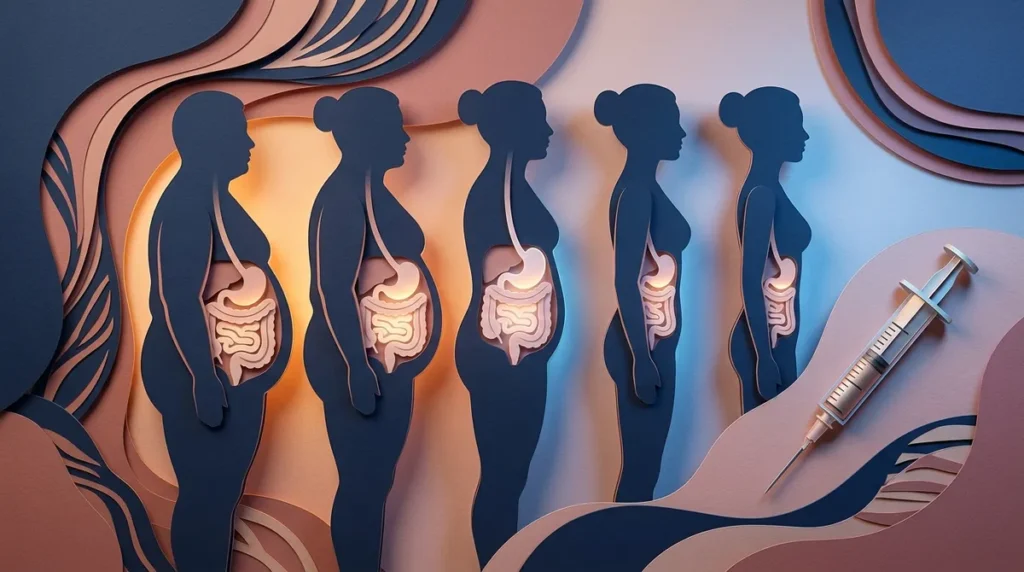
GLP-1 receptor agonists like semaglutide and tirzepatide are the most studied and FDA-approved injectable peptides, with clinical studies showing weight reductions of 15-25% when combined with lifestyle changes.
Injectable peptides work by slowing stomach digestion and reducing hunger signals, leading to consistent calorie reduction without relying on willpower alone.
Many patients notice visible body composition changes within 6-12 weeks, but results vary based on individual health, consistency, and adherence to a comprehensive program including diet and exercise.
Injectable peptides are prescription medications requiring medical supervision; avoid unregulated online products as the FDA has noted many marketed peptides are untested and potentially unsafe.
Common side effects include nausea, diarrhea, constipation, and fatigue in early weeks, but these typically improve over time as your body adjusts with proper dosage management.
Optimal results come from combining peptide therapy with balanced nutrition, regular physical activity, ongoing medical monitoring, and complementary aesthetic treatments like body contouring.
You’ve probably heard the buzz about injectable peptides for weight loss. Maybe a friend mentioned them, or you saw something about them on social media. Either way, you’re curious — and that makes total sense. These treatments are changing the way people approach weight loss in 2026, especially at medical wellness and aesthetic clinics.
But what exactly are they? Are they safe? And do they actually work? We’re breaking it all down for you in plain, simple language. Whether you’re just starting to explore your options or you’re ready to take the next step, this guide is for you.
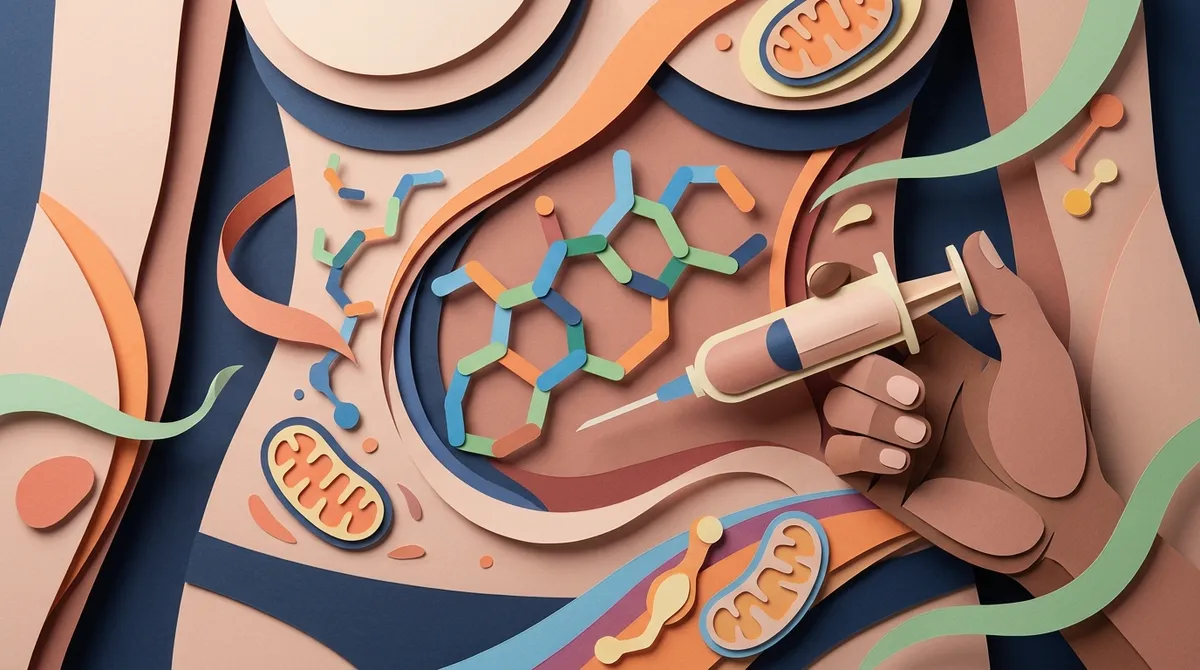
Peptides are small proteins. They’re made up of short chains of amino acids. Your body already makes and uses peptides naturally. In the context of medical aesthetics and wellness, peptide therapy for weight loss refers to using specific peptide-based medications given by injection to help reduce body weight.
The most well-known injectable peptides for weight loss are GLP-1 receptor agonists. These include medications like semaglutide and tirzepatide. They work by mimicking natural hormones in your body that control hunger and digestion.

When people talk about injectable peptides for weight loss, they usually mean GLP-1-based medications. GLP-1 stands for glucagon-like peptide-1. These medications mimic a natural gut hormone. They’re backed by strong clinical research, making them the most trusted option available today. You can learn more about how these work by reading about GLP-1 weight loss benefits.
Semaglutide is a GLP-1 peptide medication. It’s given as a weekly injection under the skin. Many patients in medically supervised programs have seen meaningful results. If you’re exploring this option, semaglutide as a game-changing treatment is a great place to start learning.
Tirzepatide is another injectable peptide option. It targets both GLP-1 and GIP receptors. This dual action can lead to stronger appetite suppression. Some patients experience even more significant weight changes compared to single-hormone treatments. You can explore the benefits of tirzepatide in detail.
According to GoodRx, there are currently four FDA-approved peptide medications for weight loss. These include both semaglutide- and tirzepatide-based formulations. FDA approval means a medication has passed rigorous testing for safety and effectiveness. Always ask your provider which option is FDA approved before starting treatment.
Here’s the simple science: injectable peptides slow down how fast food leaves your stomach. This makes you feel full longer. When you feel full, you eat less. When you eat less consistently, you lose weight. It’s not magic — it’s biology working in your favor. Read more about how semaglutide works for a deeper look.
Studies and clinical programs have reported body weight reductions in the range of 15% to 25% for some patients. This isn’t a promise for everyone — results vary based on lifestyle, consistency, and individual health. But for many people, the outcomes go far beyond what diet and exercise alone have achieved. Check out what to expect when losing weight with semaglutide.
Many patients in aesthetic and wellness programs begin to notice visible changes in body composition within 6 to 12 weeks. This isn’t the same for everyone. Some people respond faster. Others need more time. The key is staying consistent and working closely with your provider throughout the process.
Injectable peptides for weight loss are not over-the-counter products. They require a prescription from a licensed medical provider. This is a good thing. It means your treatment is personalized, monitored, and adjusted as needed. Self-administering unverified peptide products from unknown sources carries serious risks. Always work with a qualified clinic like Enhanced Aesthetics & Wellness in Pahrump, Nevada.
Like any medical treatment, injectable peptides come with potential side effects. The most commonly reported ones include:
These side effects are often mild and tend to improve over time. Your provider can help manage them by adjusting your dosage. Learn more about semaglutide side effects so you know what to expect.
This is important. The American Medical Association has noted that many injectable peptides marketed for weight loss online are not FDA reviewed or thoroughly tested. Some products sold on social media or through unregulated channels may be unsafe. Stick with medications prescribed and monitored by a licensed medical professional. If you’re searching for options, this guide on where to find peptide injections near you can help.
Injectable peptide therapy isn’t a stand-alone solution. The best results come when treatment is paired with:
At a medically supervised clinic, your provider will help you build this full-picture plan. Check out medical weight loss and nutrition counseling for more guidance.
Here’s something many people don’t realize. Medical aesthetic clinics often combine injectable peptide weight loss programs with body contouring and skin treatments. As you lose weight, you may want to address loose skin or stubborn pockets of fat. Treatments like Morpheus8 or KYBELLA® can complement your weight loss journey beautifully. This is where the aesthetic and wellness worlds truly come together.
It helps to see how peptide injections stack up against other common approaches. Here’s a simple comparison:
| Approach | Prescription Required | Medically Supervised | Typical Timeline | Best For |
|---|---|---|---|---|
| Injectable Peptides (GLP-1) | Yes | Yes | 6–12+ weeks | Significant, sustained weight loss |
| Metabolism Injections | Yes | Yes | Varies | Boosting energy and metabolism support |
| Diet and Exercise Alone | No | No | Variable | Mild to moderate weight management |
| Body Contouring Treatments | No | Yes | 1–3 months | Targeted fat reduction and skin tightening |
If you’re also curious about metabolism support injections, metabolism injections are another option offered at Enhanced Aesthetics & Wellness.
Injectable peptides for weight loss are not right for everyone. Here are some general factors that may make you a good candidate:
The best way to know if you qualify is to schedule a consultation. Your provider will review your health history and goals to find the right path forward. You can also explore the full range of options at our weight loss clinic in Pahrump, Nevada.
Stepping into a medically supervised weight loss program can feel a little intimidating. Here’s what typically happens:
Want to know more about how to get started with peptide therapy in Pahrump, NV? We’ve got you covered.
Losing weight is about more than the number on the scale. It’s about feeling confident, energetic, and like the best version of yourself. That’s why medically supervised peptide therapy fits so naturally into the world of aesthetic wellness.
When your body composition improves, you may also want to address complementary concerns — like skin laxity, facial volume loss, or stubborn double chin fat. Treatments like dermal fillers and KYBELLA® can help you look as good as you feel. Hormone balance also plays a major role in how your body responds to weight loss treatments. Explore how BioTE Bioidentical Hormone Replacement Therapy can support your overall wellness alongside peptide therapy.
You can also follow along with patient stories and tips by checking out our Instagram or visiting our Facebook page for the latest updates from Enhanced Aesthetics & Wellness.
Peptide research is one of the fastest-growing areas in obesity medicine and aesthetics. A 2020 review published in PMC highlighted the rapid expansion of peptide-based therapies in treating obesity. Since then, the science has only advanced. In 2026, more providers are offering medically supervised peptide programs than ever before. The interest in why peptide therapy is rapidly growing continues to climb for good reason.
The key takeaway? Choose a reputable, licensed clinic. Make sure your treatment is tailored to you. And always ask questions. You deserve a team that takes your health seriously.
At Enhanced Aesthetics & Wellness in Pahrump, Nevada, weight loss peptide therapy is offered as part of a fully personalized medical wellness experience. The team understands that every person’s body, history, and goals are different. That’s why treatment plans are customized — not cookie-cutter.
From your first consultation to your ongoing check-ins, you’ll feel supported every step of the way. You can visit Enhanced Aesthetics & Wellness on Google to read patient reviews and see why so many people in the Pahrump area trust their wellness journey here.
Ready to take the next step? Schedule your consultation today and find out if injectable peptides for weight loss are the right fit for your goals. The team at Enhanced Aesthetics & Wellness is here to guide you with care, expertise, and a whole lot of warmth.
Q: What are injectable peptides for weight loss?
A: Injectable peptides for weight loss are prescription medications, usually GLP-1 receptor agonists like semaglutide or tirzepatide, that mimic natural hormones to reduce appetite and support significant weight loss. They’re given as injections under the skin and are used in medically supervised programs at wellness clinics.
Q: Are GLP-1 injections considered peptides?
A: Yes! GLP-1 medications like semaglutide are indeed peptide-based. They’re made up of amino acid chains that mimic the natural GLP-1 hormone your gut produces. That’s exactly what makes them so effective — they work with your body’s own biological systems.
Q: What side effects should I expect from injectable peptides?
A: The most common side effects include nausea, diarrhea, constipation, headaches, fatigue, and mild injection-site irritation. These are usually temporary and tend to lessen as your body adjusts. Your provider can help manage them by starting you on a lower dose and gradually increasing it.
Q: How much weight can I lose with injectable peptide therapy?
A: Results vary by individual, but clinical programs have reported body weight reductions ranging from 15% to 25% for some patients. Your timeline and results will depend on your starting weight, how consistently you follow the program, and the lifestyle habits you build alongside treatment.
Q: Is it safe to get injectable peptide therapy at a med spa or aesthetic clinic?
A: Absolutely — as long as the clinic is medically supervised and licensed to prescribe these medications. A qualified provider will screen you, prescribe the right peptide medication, monitor your progress, and adjust your treatment as needed. Always avoid unregulated online sources for peptide injections.
Discover the benefits of holistic skin care products. Dive into natural, eco-friendly solutions for radiant, healthy skin.

Transform your skin with Laser Depilation at Enhanced Aesthetics & Wellness. Safe, effective hair removal for lasting smoothness.
