
6 Kybella Services Pahrump Locals Trust in 2026
Discover how Kybella services in Pahrump can dissolve stubborn chin fat safely, with expert tips on treatment, results, and choosing the right provider.

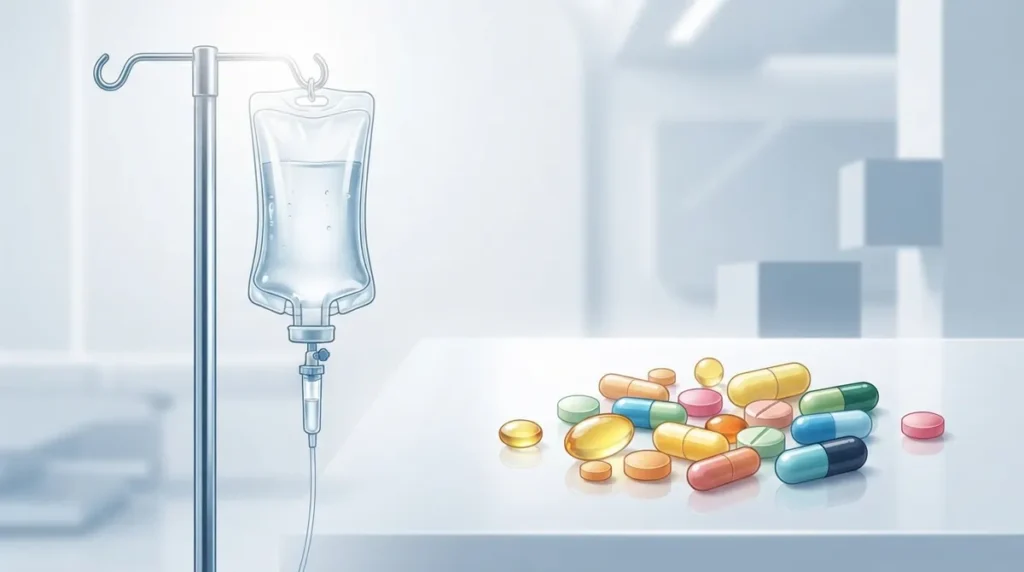
Vitamin IV infusions deliver nutrients directly to the bloodstream at much higher concentrations than oral supplements (up to 26,000 micromol/L for vitamin C vs. 220 for pills), but higher blood levels do not automatically translate to proven cosmetic or wellness benefits.
Large, high-quality studies have not demonstrated that vitamin drips give healthy people brighter skin, anti-aging results, or lasting energy; many reported benefits are anecdotal, and IV glutathione for skin lightening lacks FDA-established safety and effectiveness.
IV infusions carry real medical risks including vein irritation, infection, allergic reactions, dosing errors, and fluid overload; high-dose vitamin C requires careful screening for G6PD deficiency and kidney disease to prevent serious complications.
Choose a provider that performs a full health review before treatment, clearly identifies ingredients and doses, uses sterile preparation methods, welcomes detailed questions, and provides informed consent with a documented safety plan for reactions.
Compounded IV preparations in the U.S. are not FDA-approved as finished products before marketing, making it critical to ask clinics how products are sourced, prepared, and handled to ensure sterile technique and ingredient safety.
For visible skin improvements, direct skin treatments like microneedling or medical-grade skincare are often more effective than IV drips; think of infusions as a supporting hydration tool within a broader wellness routine, not a primary solution.
Have you scrolled past a glowing selfie with an IV drip and wondered, “Should I try that?” You are not alone. A vitamin IV infusion has become one of the most talked-about wellness add-ons in medical aesthetics. People want brighter skin, more energy, and better hydration, and a drip sounds like a quick way to get there.
Here is the honest truth. An IV infusion is a real medical procedure, not just a trendy supplement. The science behind many popular claims is still limited for healthy people. That does not mean you should rule it out. It means you should go in informed, ask smart questions, and pick a clinic that puts safety first.
In this friendly guide, you will learn what a vitamin IV infusion is, what it can and cannot do, who should skip it, and how to pick a safe provider. By the end, you will feel ready to make a choice that fits your goals and your health.

A vitamin IV infusion is a drip that delivers fluids, vitamins, and sometimes minerals or amino acids straight into your bloodstream through a small needle in your arm. In medical aesthetics, clinics often offer these drips for hydration, skin appearance, energy, and general wellness. The exact mix and the claims vary from clinic to clinic.
Because the nutrients skip your digestive system, blood levels of some vitamins can climb much higher than they would with pills. For example, the NIH Office of Dietary Supplements notes that oral vitamin C reaches blood levels of up to about 220 micromol/L, while IV delivery can reach about 26,000 micromol/L. That is a big gap.
But here is the key point. Higher blood levels do not automatically mean better skin or more energy. That number describes how the body absorbs the vitamin. It does not prove a cosmetic or wellness benefit.
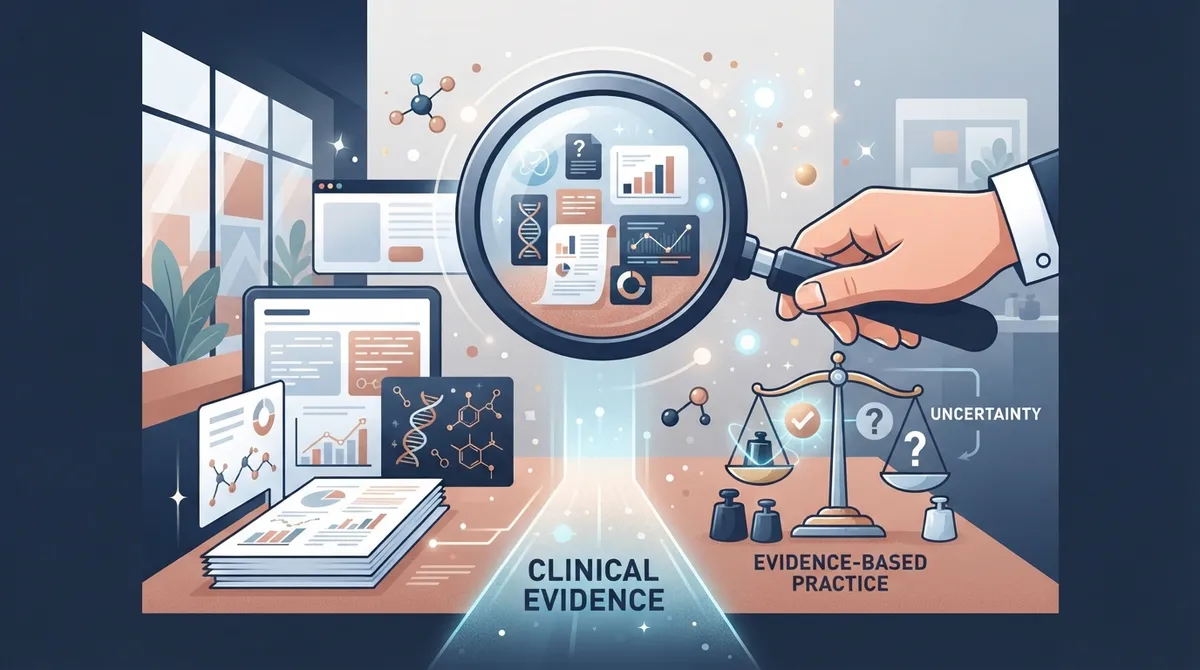
Let us keep this real. Large, high-quality studies have not shown that vitamin drips give healthy people brighter skin, anti-aging results, or lasting energy. Many reported benefits are anecdotal or self-reported. Some people feel great after a drip, and that is a valid experience. Part of that may come from simply getting extra fluids and taking an hour to rest.
IV glutathione deserves a special note. It is often promoted for skin lightening. FDA materials state that the safety and effectiveness of glutathione IV injections for skin lightening have not been established. If a clinic promises dramatic skin lightening from a drip, that is a red flag. You can read more in our post on Glutathione IV vs. Topical: Which Skin Treatment Wins?
The bottom line is simple. A vitamin IV infusion may be a nice supportive part of a wellness routine, especially for hydration. It should not be sold as a cure, a replacement for medical care, or a magic skin fix.
Not sure whether a drip is the right tool? This quick comparison can help you think it through.
| Option | How It Works | Best For | Things to Know |
|---|---|---|---|
| Vitamin IV infusion | Delivers fluids and nutrients into the bloodstream | Hydration support and general wellness goals | Medical procedure with real risks; evidence for cosmetic claims is limited |
| Oral supplements | Absorbed through digestion | Daily nutrient support | Lower blood levels; no needle needed |
| Vitamin B12 injection | Quick shot into the muscle | Targeted B12 support | Fast visit; single nutrient |
| Medical-grade skin care | Applied directly to the skin | Visible skin goals like tone and texture | Works at the skin surface; results build over time |
If your main goal is visible skin change, treatments made for the skin often do more. Options like SkinPen Microneedling or the Zo 3 Step Peel target the skin itself. For a deeper look at how drips and pills compare, see IV Drip vs. Oral Supplements: Which One Actually Works?
A friendly clinic will tell you the good and the not-so-good. Because an infusion goes right into your vein, it carries risks that a pill does not. Possible issues include:
High-dose vitamin C needs extra care. It can cause hemolysis in people with G6PD deficiency. It can also stress the kidneys or cause oxalate problems in people with kidney disease or other risk factors. A review of reported IV vitamin C use found side effects in 101 of 9,328 patients with available data. Most were minor, but the review also described serious events, including two deaths in patients with known risk factors. These are reported cases, not a rate for everyone, but they show why screening matters.
The FDA has also warned about injectable products made with ingredients not suited for sterile compounding. In 2024, it reported reactions such as severe chills, shaking, vomiting, and fatigue after compounded injectable NAD+ products. The reactions matched what happens with high endotoxin levels. The lesson: where and how your drip is prepared matters a lot. In the United States, compounded IV preparations are not FDA-approved as finished products for safety, effectiveness, or quality before they are marketed.
Talk with a licensed clinician first if any of these apply to you:
This list is not complete. A good provider will review your full history, not just ask you to pick a drip from a menu.
Ready to find the right place? Follow these steps. They work whether you are a first-timer, a busy professional, or a longtime wellness fan.
For more on picking the right place, check out 7 Mistakes to Avoid When Choosing a Wellness Clinic in Pahrump NV.
Bring this short list to your consultation. It keeps the conversation clear and calm.
A clinic that welcomes these questions is a clinic worth trusting.
Knowing the flow helps ease nerves. Most visits look like this.
Drink water, eat a good meal, and wear something with sleeves that roll up easily. If you feel dizzy, sore, or unwell afterward, tell your provider right away.
If glowing skin is your goal, think of a drip as a supporting player, not the star. Skin results usually come from treatments that work on the skin directly, plus daily habits like sun protection and hydration. Our local desert climate adds its own challenge, so see How Can You Live Well in the Desert Without Wrecking Your Skin? for easy tips.
Many clients combine a hydration visit with a skin plan built around their goals. If you are curious about the most popular classic blend, learn more in How to Get a Myers Cocktail IV Therapy in Pahrump, Nevada.
If you are in Pahrump and curious about IV care, Enhanced Aesthetics & Wellness offers IV hydration therapy, including a Myers Cocktail with add-ons like glutathione, biotin, and zinc. Our team believes in customized care, honest talk about results, and putting your safety first. You can also visit us on Google — Enhanced Aesthetics & Wellness to see what neighbors say about their experience.
Want to learn more about how hydration fits into your wellness goals? Read How IV Hydration Can Support Your Health Goals for a helpful overview. For credible background on vitamin C and dosing, the NIH Office of Dietary Supplements is a trusted resource. You can also review the FDA’s guidance on compounding risk alerts to understand why sterile preparation matters. For a closer look at the science, this review, To IV or Not to IV: The Science Behind Intravenous Vitamin Therapy, breaks it down well.
A vitamin IV infusion can be a pleasant, hydrating part of your wellness routine when it is done safely and with realistic expectations. The best results come from choosing a qualified team, sharing your full health story, and asking plenty of questions. Skip the hype, and keep the good judgment.
Curious whether an infusion fits your goals? Contact us to talk with our team, or book an appointment when you are ready. We would love to help you feel and look your best, one smart choice at a time.
Q: Do vitamin IV infusions improve skin or give you a glow?
A: The evidence is limited. Some people feel refreshed after a drip, and extra hydration may help you feel your best. But there is no strong proof that a vitamin IV infusion improves skin in healthy people, so think of it as a supportive extra, not a skin treatment.
Q: Is IV glutathione safe or effective for skin lightening?
A: Not enough is known yet. FDA materials state that the safety and effectiveness of glutathione IV injections for skin lightening have not been established. If a clinic promises big skin-lightening results, ask lots of questions and talk with a licensed clinician first.
Q: What are the risks and side effects of vitamin IV therapy?
A: Possible risks include bruising, vein irritation, infection, allergic reactions, dosing errors, fluid overload, and electrolyte shifts. High-dose vitamin C carries extra concerns for people with G6PD deficiency or kidney disease. A careful health review before treatment helps keep you safe.
Q: Are vitamin IV infusions FDA-approved in the United States?
A: It depends on the product. Compounded IV preparations are not FDA-approved as finished products for safety, effectiveness, or quality before they are marketed. That is why it is smart to ask your clinic how its products are sourced and prepared.
Q: What should I ask a clinic before getting an IV vitamin drip?
A: Ask who oversees your care, what is in the bag and at what dose, how it is prepared, and what the plan is if you have a reaction. A good clinic will welcome these questions and give clear, honest answers.
Discover how Kybella services in Pahrump can dissolve stubborn chin fat safely, with expert tips on treatment, results, and choosing the right provider.
Discover the benefits and drawbacks of using micellar water for gentle and effective skincare. Learn how it fits into your daily routine.
