
What is the difference between FormaV and vTone?
Discover the difference between FormaV and vTone, two non-surgical treatments for vaginal rejuvenation and pelvic floor health.


For mild dehydration when you can keep fluids down, oral fluids are usually the first and lowest-risk choice; IV hydration is meant for severe cases or when fluids can't be kept down.
Coconut water is low in sodium and not proven better than plain water for hydration, so it's a tasty everyday drink rather than a medical-grade electrolyte replacement.
Elective IV drips have limited evidence for skin glow or general wellness, and they carry risks like bruising, infection, and infiltration that a drink does not.
Before booking an IV, ask who the licensed provider is, whether your medical history will be reviewed, and where the products are sourced and how they are prepared.
You have probably seen both on your feed. One is a glowing influencer sipping coconut water straight from the shell. The other is a friend relaxing in a chair with an IV drip, promising a fresh, dewy glow. So which one is better for your body and your skin in 2026?
The honest answer is more nuanced than most social posts suggest. When it comes to IV hydration vs coconut water, each has a place, but they are very different tools. One is a tasty drink you can buy at any store. The other is a medical-style service given through a vein.
In this friendly guide, we break down 11 facts to help you choose wisely. We will cover what the science says, where the real risks are, and what each option can and cannot do for your wellness and beauty goals. No hype, no pressure, just clear answers so you can feel confident in your choice.

Coconut water is a drink. You swallow it, and your digestive system absorbs it at a natural pace. IV hydration is a fluid given straight into your bloodstream through a small tube in a vein.
In med spas, IV hydration usually means a saline-based fluid, sometimes with added vitamins or other ingredients. It is not the same as an IV given in a hospital for a medical emergency. That difference matters, and it is a theme you will see throughout this article.

For mild to moderate dehydration, when you can drink and keep fluids down, oral rehydration is generally the preferred first step. It is simple, low cost, and carries fewer risks than a needle.
Think of a long day in the Nevada sun. If you feel thirsty, tired, and a little headachy, water and a salty snack are often a smart start. Many people reach for an IV when a drink would have done the job just fine.
Coconut water is light, a bit sweet, and naturally rich in potassium. It also contains small amounts of other minerals and natural sugars.
Here is the catch. It is relatively low in sodium and chloride, the key salts you lose when you sweat a lot. That means it is not the same as a formulated oral rehydration solution. It is a pleasant, hydrating drink, but it is not a medical-grade electrolyte replacement.
Coconut water has a health halo, but the research is modest. A 2025 systematic review looked at four small randomized trials with 42 total participants. It found no clear advantage of coconut water over plain water for several hydration measures after exercise.
These studies were small and focused on exercise. They do not prove coconut water is better than water, and they do not show it beats a proper oral rehydration solution. So enjoy it for the taste, but do not expect miracles.
IV fluids have real, important medical uses. They are the right tool when dehydration is severe, when someone cannot keep fluids down, or when a clinician sees a need for fast fluid or electrolyte correction.
That is a medical situation, not a spa one. If you have any of the warning signs below, skip the drip bar and seek prompt medical care:
Here is a side-by-side look to make the differences easy to see.
| Feature | IV Hydration | Coconut Water |
|---|---|---|
| How it is taken | Through a vein | By mouth |
| Setting | Clinic or med spa | Anywhere |
| Main electrolytes | Depends on the formula | Rich in potassium, low in sodium |
| Best for | Select cases guided by a licensed provider | Light, everyday hydration |
| Main risks | Bruising, infection, infiltration, rare serious events | Extra sugar and potassium for some people |
| Cost | Higher | Low |
Here is where marketing gets loud. You may hear that IV drips give a “glow,” erase puffiness, or detox the body. The truth is that there is limited evidence that elective IV vitamin or hydration drips improve skin or give general wellness benefits to otherwise healthy people.
The same goes for coconut water. It is not a proven treatment for any cosmetic concern. If you want a deeper, honest look at this topic, read our guide on IV hydration and skin health, and our take on IV drips versus skin treatments.
Drinking coconut water is very low risk for most healthy adults. IV therapy is different because it involves a needle and a direct line to your bloodstream.
Possible risks include:
This is why choosing a careful, licensed provider matters so much. Our article on how to choose safe intravenous hydration therapy walks you through what to look for.
IV hydration businesses have drawn attention from regulators. The FDA and state agencies have raised concerns about sterile compounding and oversight. Compounded mixtures are not FDA-approved, and rules for prescribing, licensing, and monitoring differ by state.
A 2025 analysis of 87 IV hydration facilities found that only about 27.6% described requiring a consultation with a medical professional. Around 59.8% mentioned consent forms or medical-history questions, and just 24.1% disclosed risks like bruising, infection, or bleeding. That is a good reminder to look closely before you book.
Before any drip, ask these questions:
Our guide on clinic IV versus drip bar safety goes even deeper on this.
Both IV fluids and large amounts of electrolytes can be a concern for certain health conditions. If any of these apply to you, get individualized medical advice before trying IV therapy or drinking lots of potassium-rich beverages:
Coconut water is naturally high in potassium, which can matter for people with kidney issues. Meanwhile, IV fluids add volume to your system quickly, which is not always ideal for heart or blood pressure concerns. When in doubt, check with your own physician.
Let us bring it all together with a simple way to think about it.
For many healthy people, plain water, a balanced diet, and a pinch of salt after heavy sweating cover the basics. If you are curious about how a drip stacks up against other options, see our comparison of IV hydration versus sports drinks and IV hydration versus oral fluids.
Here is something worth remembering. If your goal is smoother, brighter, more youthful skin, hydration is only one piece of the puzzle. Sleep, sun protection, a strong skin care routine, and proven professional treatments often do more for your complexion than any single drip or drink.
At Enhanced Aesthetics & Wellness in Pahrump, we focus on custom treatments that fit your goals and your health. If IV hydration is on your radar, we can talk through whether it makes sense for you, what to expect, and how it fits with the rest of your care. You can learn more about our IV hydration therapy options and read what is real about the benefits and risks before you decide.
So, who wins the IV hydration vs coconut water debate? It depends on what you need. Coconut water is a pleasant, low-risk drink with some potassium, but it is not a proven cure-all. IV hydration has legitimate medical uses, yet elective spa drips have limited evidence for beauty or general wellness and come with added risks.
The best move is to match the tool to the situation, ask good questions, and lean on trained professionals. Want to see what our team in Pahrump would recommend for you? Contact us with your questions, or book an appointment to start a conversation about your goals. You can also see what our clients say about Enhanced Aesthetics & Wellness on our Google profile, and for more reading on how clinicians approach this topic, the Cleveland Clinic overview of IV vitamin therapy is a helpful resource. We would love to help you feel and look your best, safely and naturally.
Q: Is IV hydration better than coconut water for dehydration?
A: For mild dehydration when you can drink, oral fluids are usually the first and lowest-risk choice. IV hydration is meant for situations where dehydration is severe or you cannot keep fluids down, and that calls for a medical evaluation rather than a spa visit.
Q: Can coconut water replace an oral rehydration solution?
A: Not really. Coconut water has potassium, but it is fairly low in sodium and chloride, so it does not match the balance of a formulated oral rehydration solution. It is a nice drink, but it should not replace medical care for significant dehydration.
Q: Does IV hydration give you glowing skin?
A: There is limited evidence that elective IV drips improve skin appearance in healthy people, so we do not promise a glow. If skin is your main goal, proven professional skin treatments and a solid daily routine usually do more.
Q: What are the risks of IV hydration therapy?
A: Risks can include bruising, bleeding, infection, fluid leaking into nearby tissue, and rare serious complications. Added vitamins or medications can also cause reactions, which is why a licensed provider and a medical history review are so important.
Q: Who should check with a doctor before IV therapy or lots of coconut water?
A: People with kidney or heart disease, high blood pressure, or who are pregnant should get personal medical advice first. Coconut water is high in potassium and IV fluids add volume quickly, so both can matter for certain health conditions.
Discover the difference between FormaV and vTone, two non-surgical treatments for vaginal rejuvenation and pelvic floor health.
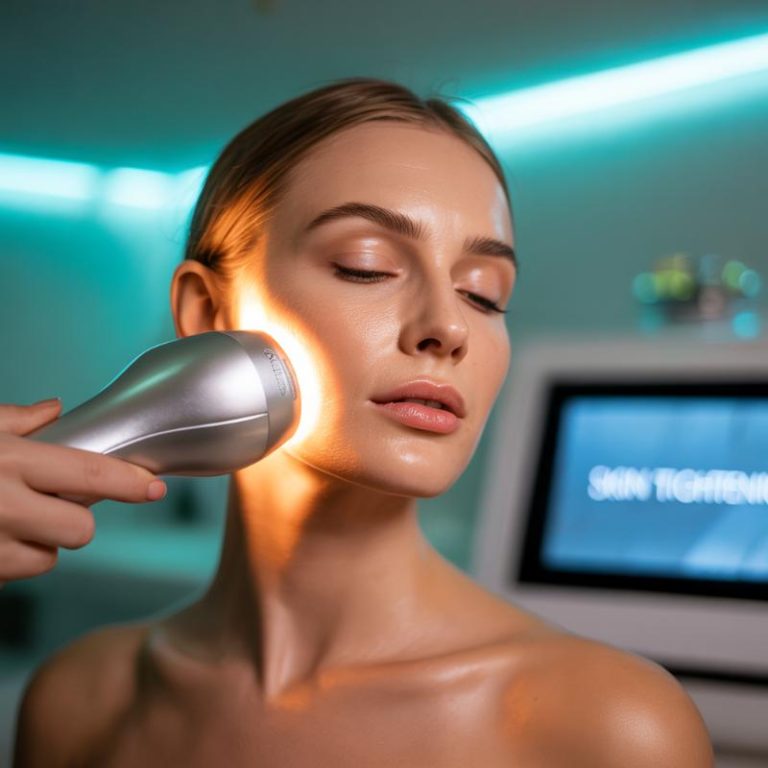
Discover Morpheus8 skin tightening benefits in Pahrump, NV for smoother, firmer, youthful skin. Book your consultation today!
