
Understanding Semaglutide Side Effects: A Complete Guide
Explore the balance of benefits and semaglutide side effects. Get expert insights on managing diabetes and weight loss effectively.

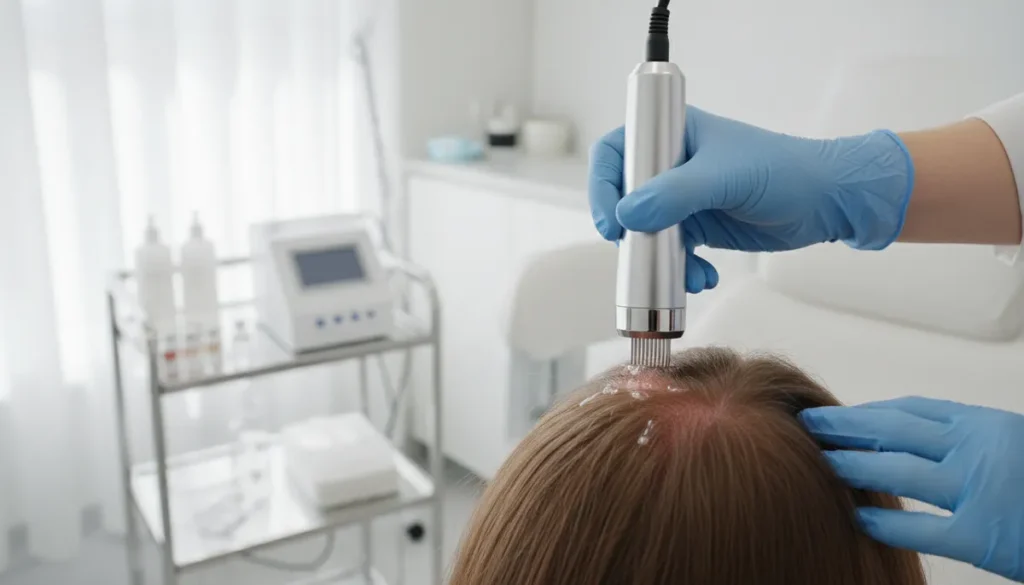
Medications like minoxidil and finasteride can effectively slow hair loss, with minoxidil showing results in 3-6 months and finasteride helping 90% of men reduce hair loss.
Platelet-Rich Plasma (PRP) therapy offers a natural approach by using your own blood’s growth factors to stimulate hair follicle activity and potentially improve hair density.
Hair transplant surgery provides a permanent solution, with modern techniques creating natural-looking results by extracting and transplanting individual hair follicles.
Emerging cell-based therapies and non-hormonal treatments like PP405 show promising potential for hair regrowth without traditional hormone-based medication side effects.
JAK inhibitors represent a breakthrough for alopecia areata, with clinical trials showing significant scalp hair coverage improvement for patients with this autoimmune condition.
Dealing with hair loss can feel incredibly personal and sometimes overwhelming. Whether you’re noticing more hair in your brush, a widening part, or thinning spots, you’re certainly not alone in this journey. Millions of people experience hair loss, and the good news is that 2025 brings more effective treatment options than ever before. From tried-and-true methods to exciting new breakthroughs, there’s genuine hope for regaining your confidence and your hair. Today’s treatments range from simple topical solutions you can apply at home to advanced regenerative therapies that work at the cellular level. What matters most is finding the right approach for your unique situation, understanding what’s available, and taking that first empowering step toward healthier hair. Let’s explore the landscape of modern hair loss treatments together, so you can make informed decisions about what might work best for you.
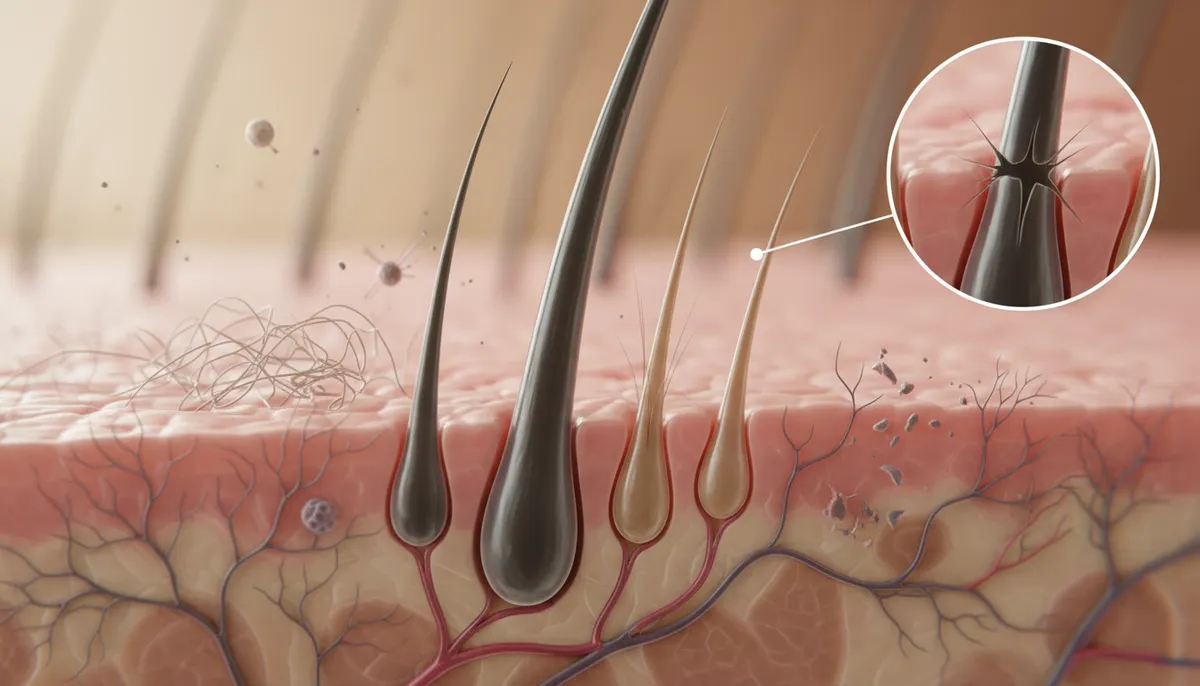
Before diving into treatments, it’s helpful to understand what’s actually happening beneath the surface. Hair loss occurs for various reasons—genetics, hormones, stress, nutritional deficiencies, or medical conditions. Male and female pattern baldness (androgenetic alopecia) is the most common type, affecting about 50 million men and 30 million women in the United States alone. This happens when hair follicles become sensitive to dihydrotestosterone (DHT), a hormone that shrinks follicles over time, leading to thinner hair and eventually stopping growth altogether.
Other types include alopecia areata, an autoimmune condition causing patchy hair loss, and telogen effluvium, which is temporary shedding often triggered by stress or illness. Understanding your specific type of hair loss is crucial because different conditions respond better to different treatments. That’s why consulting with a healthcare provider or specialist at a clinic like Enhanced Aesthetics & Wellness can help you identify the root cause and create a personalized treatment plan.

When it comes to proven hair loss treatments, two medications have stood the test of time: minoxidil and finasteride. Minoxidil, commonly known by the brand name Rogaine, is a topical treatment you apply directly to your scalp. It works by widening blood vessels and opening potassium channels, which helps deliver more oxygen and nutrients to hair follicles. You can find minoxidil over the counter in 2% and 5% formulations, and with consistent use, most people start seeing results within 3-6 months.
Finasteride, sold as Propecia, is an oral medication that blocks the conversion of testosterone to DHT, the hormone responsible for shrinking hair follicles. It’s prescription-only and particularly effective for male pattern baldness. Studies show that finasteride can slow hair loss in about 90% of men and promote regrowth in about two-thirds of users. Like minoxidil, patience is key—you’ll typically need to use it consistently for several months to see noticeable improvements.
Both medications require ongoing use to maintain results, which means stopping treatment usually leads to gradual hair loss returning. Some people experience side effects like scalp irritation with minoxidil or sexual side effects with finasteride, though these aren’t common. Always discuss potential risks and benefits with your healthcare provider before starting any medication regimen.
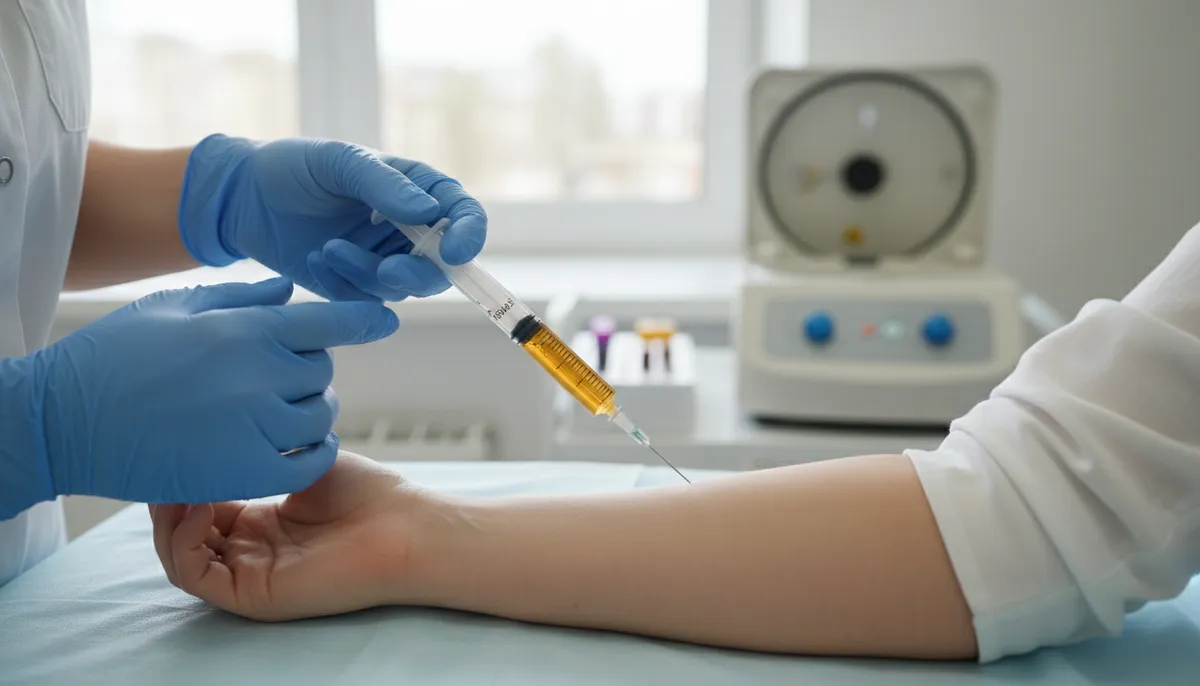
Platelet-Rich Plasma therapy has gained tremendous popularity as a natural, minimally invasive option for hair restoration. This treatment uses your own blood to stimulate hair follicle activity and promote growth. Here’s how it works: a small amount of blood is drawn from your arm, then processed in a centrifuge to concentrate the platelets. These platelets contain growth factors that, when injected into your scalp, can awaken dormant follicles and strengthen existing hair.
The beauty of PRP therapy lies in its regenerative approach. Rather than relying on medications, you’re essentially supercharging your body’s natural healing mechanisms. Many patients appreciate that PRP uses their own biological material, eliminating concerns about synthetic substances or foreign materials. Treatment typically involves a series of sessions—usually three treatments spaced four to six weeks apart, followed by maintenance treatments every few months.
Results vary from person to person, but many patients notice improved hair density, thickness, and slower hair loss within a few months. According to recent studies, PRP therapy can be particularly effective when combined with other treatments like minoxidil. The procedure is relatively comfortable, with minimal downtime, making it an attractive option for busy individuals seeking natural-looking results.
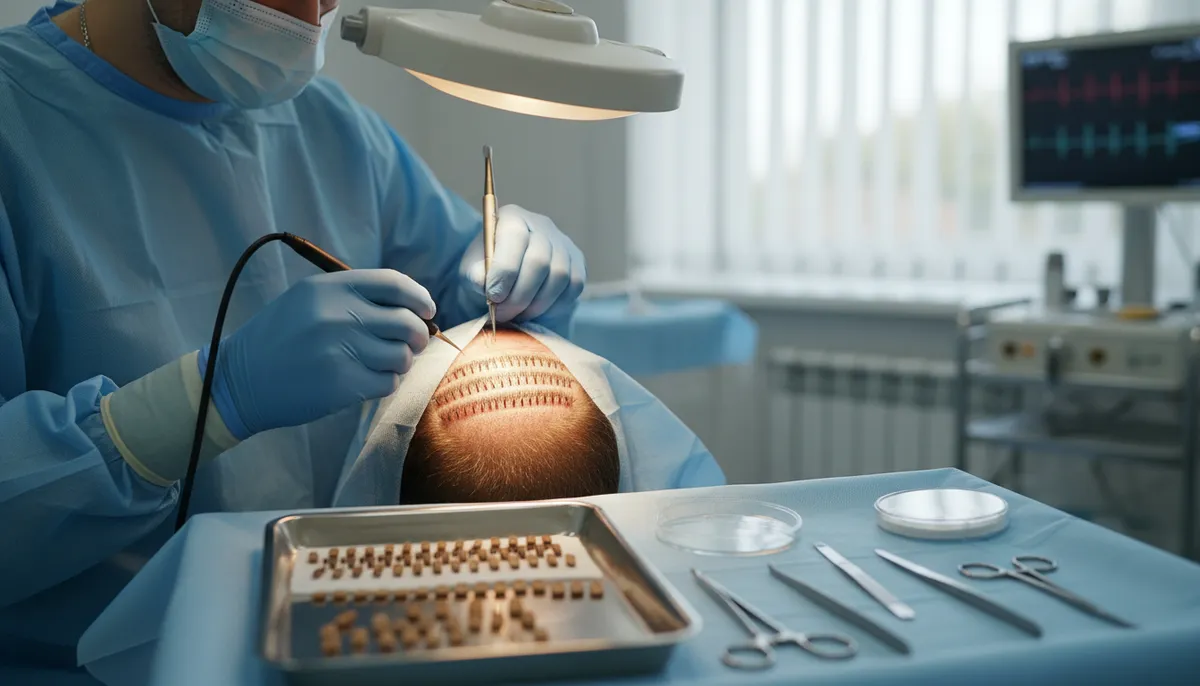
When you’re looking for the most permanent solution to hair loss, surgical transplantation remains the gold standard. Modern hair transplant techniques have come a long way from the obvious “hair plugs” of decades past. Today’s procedures create natural-looking results that are virtually undetectable. The two primary methods are Follicular Unit Transplantation (FUT) and Follicular Unit Extraction (FUE).
FUE has become increasingly popular because it involves extracting individual hair follicles from the donor area (usually the back of your head) and transplanting them to thinning or balding areas. Advanced techniques like Vitruvian FUE™ offer even more precision, ensuring optimal graft survival and natural-looking hairlines. The procedure is performed under local anesthesia, and while it does involve some recovery time, the results can be truly transformative.
The main advantage of hair transplant surgery is permanence—the transplanted hair continues to grow for life since it comes from areas genetically resistant to balding. However, it’s worth noting that results take time to fully manifest, typically 6-12 months, as transplanted follicles go through natural growth cycles. The procedure also has limitations based on available donor hair, and it represents a more significant financial investment compared to other treatments. Still, for many people seeking a lasting solution, hair transplant surgery offers unmatched results.
The future of hair restoration is already here, and it’s incredibly exciting. Cell-based therapies represent the next frontier in treating hair loss, offering possibilities that were once the stuff of science fiction. Dermal papilla cell (DPC) transplantation is one such breakthrough currently in clinical trials. This approach involves culturing cells from your own hair follicles and reinjecting them into the scalp to generate entirely new follicles.
Stem cell treatments work similarly, using the regenerative power of stem cells to awaken dormant hair follicles and stimulate new growth. These therapies are particularly promising because they address hair loss at its root cause—literally—by regenerating the cellular machinery responsible for hair production. Early research suggests these treatments could offer longer-lasting results with fewer side effects compared to traditional hormone-based medications.
Another emerging player is exosome therapy, which uses tiny vesicles containing growth factors and signaling molecules to promote hair follicle regeneration. Exosomes are derived from stem cells and work by delivering powerful regenerative signals directly to hair follicles. This minimally invasive treatment is gaining popularity for its ability to produce natural-looking results without surgery or harsh medications. While these cutting-edge therapies are still being refined and tested, they represent a paradigm shift in how we approach hair restoration.
Not everyone wants to use hormone-based medications like finasteride, whether due to concerns about side effects or personal preference. Thankfully, researchers have developed promising non-hormonal alternatives that work through different biological pathways. One standout is PP405, a topical molecule developed by researchers at UCLA that targets dormant follicle stem cells to awaken them and stimulate regrowth. In a 2023 human trial, participants who applied PP405 nightly for just one week showed promising hair regrowth results.
Another exciting development is Amplifica’s AMP-303, a topical treatment that strengthens the hair follicle’s anchoring structures, helping prevent hair from falling out prematurely. These non-hormonal options work by addressing different aspects of the hair growth cycle without altering hormone levels, potentially offering safer profiles for people who can’t or don’t want to use traditional medications.
These treatments are still making their way through clinical trials and regulatory approval processes, but they represent a significant shift toward more targeted, mechanism-specific therapies. As research continues to advance, we’re likely to see more options that offer effective results without the hormonal component that some people wish to avoid.
For people dealing with alopecia areata—the autoimmune condition that causes patchy hair loss—JAK inhibitors have emerged as genuinely life-changing treatments. The FDA has approved two JAK inhibitors for severe alopecia areata: Olumiant (baricitinib) and Litfulo (ritlecitinib). These oral medications work by blocking specific enzymes involved in the immune system’s attack on hair follicles.
The results can be remarkable. In the ALLEGRO phase 2b/3 trial, 23% of patients treated with Litfulo achieved substantial scalp hair coverage after six months—a significant improvement compared to placebo. Many patients who had lived with patchy baldness for years have experienced dramatic regrowth with these medications. It’s important to note, however, that JAK inhibitors carry potential risks, including increased susceptibility to infections and cardiovascular events, so they’re typically reserved for moderate to severe cases.
What makes JAK inhibitors particularly exciting is that they represent the first FDA-approved systemic treatments specifically for alopecia areata. Previously, treatment options were limited and often involved off-label use of medications or topical steroids with inconsistent results. Now, people with this challenging condition have access to targeted therapies backed by clinical evidence.
If you’re looking for a treatment you can use in the comfort of your own home, low-level laser therapy (LLLT) might be worth considering. Also known as red light therapy, LLLT uses specific wavelengths of light to stimulate cellular activity in hair follicles. FDA-cleared devices like laser caps and combs are available for home use, offering a convenient, non-invasive option for treating hair loss.
The science behind LLLT suggests that red light wavelengths (typically 650-900 nanometers) penetrate the scalp and stimulate mitochondria in hair follicle cells, boosting energy production and promoting growth. While results are generally more modest compared to medications or surgical options, many users report thicker, healthier-looking hair with consistent use over 4-6 months. The treatment requires ongoing use—typically several times per week—to maintain benefits.
Red light therapy is particularly appealing because it’s painless, has virtually no side effects, and can be done while watching TV or reading. It’s also often used as a complementary treatment alongside other therapies like minoxidil or finasteride to enhance overall results. While it won’t work miracles on its own, it can be a valuable addition to a comprehensive hair restoration strategy.
With so many options available, how do you choose the right treatment? The answer depends on several factors: the type and severity of your hair loss, your budget, your tolerance for side effects, and your timeline for results. Many people find that combining treatments—such as using minoxidil with PRP therapy or complementing a hair transplant with medications—produces the best outcomes.
|
Treatment Type |
Best For |
Results Timeline |
Maintenance Required |
|---|---|---|---|
|
Minoxidil |
Male/female pattern baldness |
3-6 months |
Daily application |
|
Finasteride |
Male pattern baldness |
3-6 months |
Daily oral medication |
|
PRP Therapy |
Early to moderate hair loss |
3-6 months |
Periodic sessions (every 3-6 months) |
|
Hair Transplant |
Permanent restoration |
6-12 months |
Minimal (possible medication to preserve remaining hair) |
|
JAK Inhibitors |
Alopecia areata |
6 months |
Ongoing oral medication |
|
Red Light Therapy |
Supplemental treatment |
4-6 months |
Regular use (3-4 times weekly) |
Starting early is crucial—hair loss treatments are generally most effective when you still have active follicles to work with. Once follicles have been dormant for years, they become much harder to revive. That’s why seeking professional guidance as soon as you notice thinning can make a significant difference in your results. Research shows that early intervention with proven treatments yields the best long-term outcomes.
While treatments are essential, don’t underestimate the power of lifestyle factors in supporting healthy hair. Nutrition plays a huge role—your hair needs adequate protein, iron, zinc, biotin, and vitamins A, C, D, and E to thrive. A balanced diet rich in whole foods provides these nutrients naturally, though some people benefit from targeted supplements under medical guidance.
Stress management is equally important. Chronic stress can trigger or worsen hair loss conditions like telogen effluvium. Incorporating stress-reduction techniques like meditation, exercise, or yoga can support your overall hair health. Getting adequate sleep, staying hydrated, and avoiding harsh hair treatments that damage follicles are also simple but effective ways to protect your hair.
Remember that hair growth is a slow process—follicles cycle through growth phases that take months, not weeks. This means patience is essential with any treatment approach. Stick with your chosen regimen long enough to see results, and track your progress with photos to notice changes that might be gradual and easy to miss day-to-day.
Let’s talk about something that doesn’t get discussed enough: the emotional impact of hair loss. For many people, thinning hair affects self-confidence, body image, and even social interactions. These feelings are completely valid and normal. Hair is deeply connected to our identity and how we present ourselves to the world, so changes can feel deeply personal and sometimes distressing.
The good news is that seeking treatment is an empowering step that puts you back in control. Whether you choose medications, procedures, or a combination approach, taking action can provide psychological benefits even before you see physical results. Many patients report feeling more optimistic and confident simply by starting a treatment plan.
Support is available too. Online communities, support groups, and compassionate healthcare providers understand what you’re going through. At Enhanced Aesthetics & Wellness, we recognize that hair restoration is about more than just follicles—it’s about helping you feel like yourself again. Don’t hesitate to share your concerns and ask questions as you explore your options.
Setting realistic expectations is important for any hair restoration journey. Most treatments require consistent use for several months before you notice significant changes. Some people experience an initial “shedding phase” where hair loss temporarily increases before improvement begins—this is actually a positive sign that follicles are cycling into a new growth phase.
Results vary considerably based on individual factors like age, extent of hair loss, overall health, and how long follicles have been inactive. Some people respond dramatically to treatments, while others see more modest improvements. The key is finding what works for your unique situation and being patient with the process.
Regular follow-ups with your healthcare provider help track progress and adjust your treatment plan as needed. Modern hair restoration techniques are constantly evolving, so staying in touch with specialists ensures you have access to the latest advancements that might benefit you.
Let’s be honest—hair loss treatments can represent a significant investment. Costs vary widely depending on the approach you choose:
Over-the-counter minoxidil: $10-50 per month
Prescription finasteride: $20-80 per month (generic versions are more affordable)
PRP therapy: $500-2,500 per session (typically need 3-6 initial sessions)
Hair transplant surgery: $4,000-15,000+ depending on extent
Red light devices: $200-1,000 one-time cost
JAK inhibitors: Variable, often covered by insurance for approved conditions
Many people start with more affordable options like topical treatments and gradually explore advanced therapies if needed. Some clinics offer payment plans or financing options to make procedures more accessible. While hair restoration typically isn’t covered by insurance (since it’s often considered cosmetic), treatments for medical conditions like alopecia areata may qualify for coverage.
Consider the long-term value as well. A hair transplant, while expensive upfront, may be more cost-effective over decades compared to ongoing medication expenses. Conversely, starting with less invasive treatments gives you flexibility to adjust your approach as new options emerge.
Hair loss doesn’t have to be something you simply accept. With today’s diverse treatment options—from time-tested medications to revolutionary cell-based therapies—there’s genuine hope for restoring your hair and your confidence. The most important step is starting your journey with professional guidance that considers your unique needs, goals, and circumstances.
Whether you’re dealing with early thinning or more advanced hair loss, treatments are most effective when started sooner rather than later. The landscape of hair restoration continues to evolve rapidly, bringing new possibilities each year. By staying informed and working with experienced professionals, you can navigate your options and find an approach that works for you.
Ready to explore your hair restoration options? Check out real patient results in our Before & After Gallery to see the transformative possibilities of modern hair loss treatments. Your journey to healthier, fuller hair starts with a single step—and we’re here to support you every step of the way.
Q: How long does it take to see results from hair loss treatments?
A: Most hair loss treatments require 3-6 months of consistent use before you notice significant results. This timeline applies to medications like minoxidil and finasteride, as well as PRP therapy. Hair transplant surgery takes even longer—typically 6-12 months for full results—because transplanted follicles go through natural growth cycles. Patience and consistency are absolutely key to success with any hair restoration approach.
Q: What’s the most effective hair loss treatment available today?
A: The most effective treatment depends on your specific type and extent of hair loss. Hair transplant surgery offers the most permanent results for pattern baldness, while JAK inhibitors like Litfulo have shown remarkable success for alopecia areata. For many people, combining treatments—such as using minoxidil with PRP therapy or finasteride alongside a transplant—produces the best outcomes. A consultation with a hair restoration specialist can help determine the optimal approach for your situation.
Q: Are there effective hair loss treatments without side effects?
A: While no treatment is completely without potential side effects, some options have minimal risks. PRP therapy uses your own blood and typically has very few side effects beyond minor scalp tenderness. Red light therapy is virtually side-effect-free and can be done at home. Emerging non-hormonal treatments like PP405 are being developed specifically to avoid the hormonal side effects some people experience with finasteride. Your healthcare provider can help you weigh the benefits and risks of each option.
Q: Can hair loss be reversed naturally without medications?
A: Some lifestyle factors can support healthy hair growth, including proper nutrition rich in protein, iron, and vitamins, stress management, and gentle hair care practices. However, genetic pattern baldness typically requires medical intervention for significant reversal. Natural approaches work best as complementary strategies alongside proven treatments. For mild hair loss or prevention, optimizing diet, reducing stress, and using gentle hair care might slow progression, but they’re unlikely to reverse established baldness on their own.
Q: Is PRP therapy worth it for hair loss?
A: PRP therapy can be highly effective for improving hair density and slowing hair loss, especially when combined with other treatments like minoxidil. Many patients appreciate that it uses their own biological material and involves minimal downtime. Results vary by individual, but clinical studies show promising outcomes for both male and female pattern hair loss. The treatment typically requires an initial series of sessions followed by periodic maintenance, so consider both the financial investment and time commitment when deciding if it’s right for you.
Explore the balance of benefits and semaglutide side effects. Get expert insights on managing diabetes and weight loss effectively.
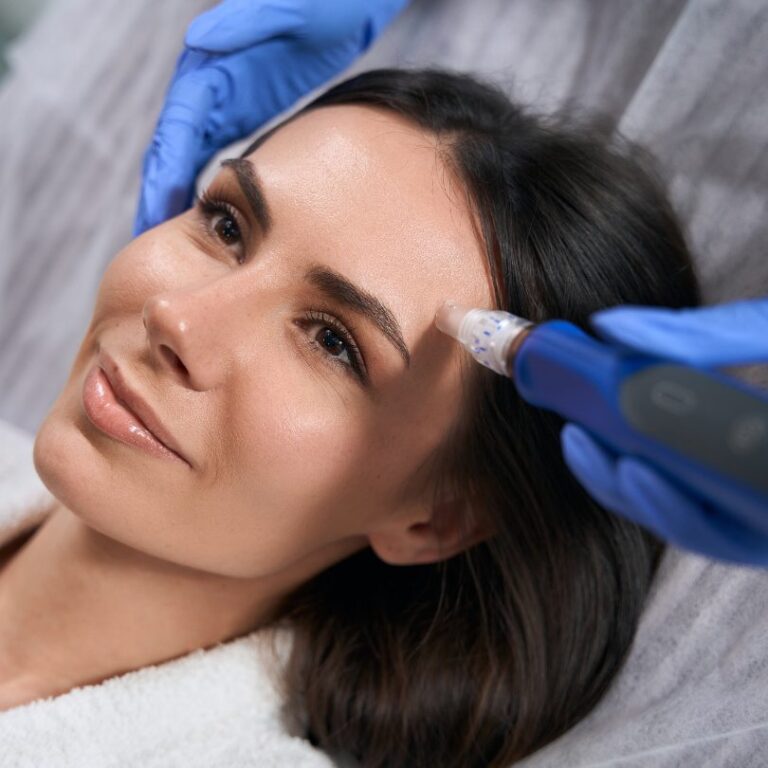
Discover the lasting benefits of SkinPen microneedling. Enhanced Aesthetics & Wellness offers personalized treatments for radiant skin.
