
5 Facts About Salicylic Acid in Skincare
Are you tired of dealing with stubborn acne or dull skin? Look no further than salicylic acid! This beloved skincare ingredient has gained a reputation

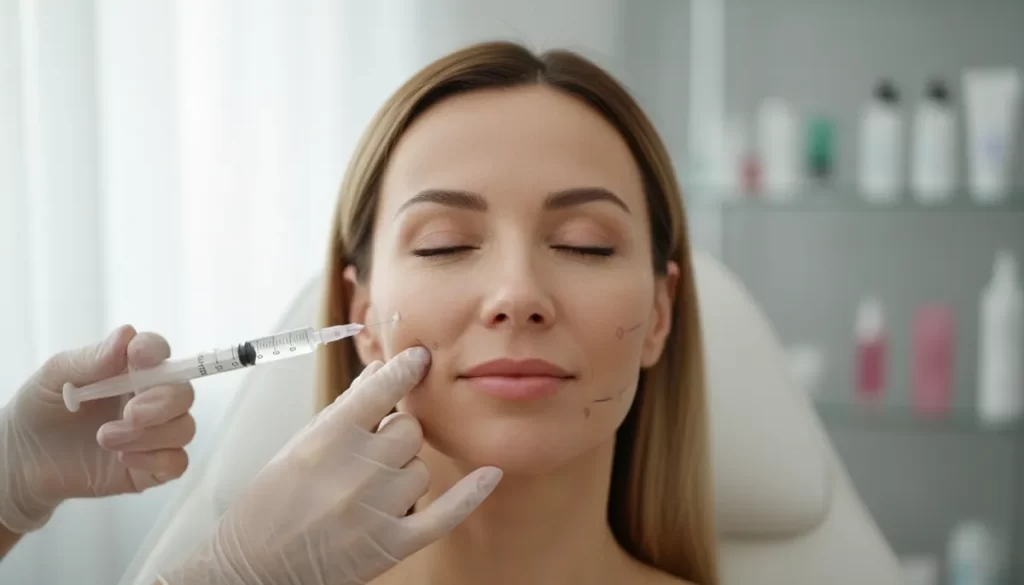
Hyaluronic acid fillers are the most popular choice, accounting for over 807,870 procedures in 2020 and offering natural-looking volume restoration with minimal allergic reaction risks.
Select your dermal filler based on specific aesthetic concerns: fine lines need different fillers than deep facial folds, with options ranging from 6-month to 5-year duration.
Combination treatments are key in 2025, using different filler types strategically to achieve harmonious, balanced facial rejuvenation and natural-looking results.
Autologous fillers like fat transfers and platelet-rich fibrin (PRF) provide completely biocompatible options with minimal allergic reaction risks and promote natural cellular regeneration.
Age significantly influences filler selection: younger patients benefit from subtle hyaluronic acid enhancements, while older patients may require collagen-stimulating treatments for comprehensive volume restoration.
Post-treatment care is crucial: avoid touching treated areas, use SPF, stay hydrated, and follow provider's maintenance recommendations to optimize and extend filler results.
Choosing the right dermal filler can feel overwhelming with so many options available in 2025. Whether you’re looking to smooth fine lines, restore lost volume, or enhance your natural features, understanding the different types of dermal fillers is the first step toward achieving your aesthetic goals. Dermal fillers have revolutionized non-surgical facial rejuvenation, offering customizable solutions that work with your unique facial structure and skin needs.
With advances in injection techniques and formulations, today’s dermal fillers provide more natural-looking results than ever before. The key is selecting the right type of filler for your specific concerns, skin type, and desired outcome. This comprehensive guide will walk you through everything you need to know about dermal fillers, from understanding the different types available to determining which one aligns best with your aesthetic vision. Let’s explore how you can make an informed decision and achieve the beautiful, rejuvenated appearance you deserve.

Dermal fillers aren’t one-size-fits-all. Each type is formulated with specific ingredients designed to address particular concerns and work in different areas of the face. The most common categories include hyaluronic acid fillers, calcium hydroxylapatite, poly-L-lactic acid, polymethylmethacrylate, and autologous fillers. Understanding these differences helps you have more productive conversations with your aesthetic provider.
Hyaluronic acid fillers are the most popular choice, accounting for over 807,870 procedures performed in the U.S. in 2020. These fillers work by attracting and binding water molecules to create volume and hydration in the skin. Brands like Juvéderm and Restylane fall into this category, offering various formulations for different facial areas and concerns. What makes hyaluronic acid particularly appealing is that it’s a substance naturally found in your body, reducing the risk of allergic reactions.
Calcium hydroxylapatite fillers, such as Radiesse, are thicker in consistency and ideal for deeper wrinkles and facial folds. These fillers not only provide immediate volume but also stimulate your body’s natural collagen production over time. This dual action creates both instant and progressive improvements in skin quality and structure.
Poly-L-lactic acid fillers like Sculptra work differently from volume-replacing fillers. Instead of immediately filling wrinkles, they stimulate your skin to produce its own collagen gradually. This approach creates natural-looking volume restoration that can last 2 to 3 years or more. According to recent developments in dermal filler technology, 2025 protocols have extended the longevity of these results even further.
Polymethylmethacrylate (PMMA) fillers, such as Bellafill, contain tiny microspheres that provide structural support beneath the skin. These are considered semi-permanent fillers, with effects lasting up to 5 years. They’re particularly effective for deep wrinkles and acne scars, offering one of the longest-lasting solutions available.

Your specific aesthetic concerns should guide your filler selection. For fine lines around the mouth or subtle volume loss in the lips, hyaluronic acid fillers are typically the best choice. Juvéderm Ultra and Restylane last approximately 6-12 months, making them perfect for those who want to try fillers without committing to long-term changes.
If you’re dealing with deeper nasolabial folds or marionette lines, calcium hydroxylapatite fillers offer the structural support needed for these areas. The thicker consistency of Radiesse provides immediate correction that lasts 12 to 18 months, while simultaneously encouraging collagen growth for sustained improvement.
For significant volume loss in the cheeks or temples, you’ll want to consider longer-lasting options. Juvéderm Voluma is specifically designed for cheek augmentation and lasts approximately 12 months. For even more enduring results, Sculptra provides gradual volume restoration through collagen stimulation, with effects that can exceed two years.
The experts at Enhanced Aesthetics & Wellness frequently recommend combination approaches in 2025, using different filler types in various facial areas to achieve harmonious, natural-looking results. This strategic placement addresses multiple concerns while maintaining facial balance and proportion.
| Filler Type | Primary Use | Duration | Best For |
|---|---|---|---|
| Hyaluronic Acid | Fine lines, lip enhancement | 6-12 months | First-time users, lip augmentation |
| Calcium Hydroxylapatite | Deep folds, facial contouring | 12-18 months | Nasolabial folds, cheek enhancement |
| Poly-L-lactic Acid | Volume restoration | 2-3+ years | Gradual, natural-looking results |
| PMMA | Deep wrinkles, acne scars | Up to 5 years | Long-term correction |

Autologous fillers represent an increasingly popular category that uses your own biological materials for facial rejuvenation. Fat transfers involve harvesting fat from one area of your body and carefully injecting it into areas needing volume. This approach offers completely natural, biocompatible results since you’re using your own tissue.
Platelet-rich fibrin (PRF) is another autologous option that’s gained significant traction. This treatment uses components from your own blood to improve skin quality, texture, and volume. PRF not only adds subtle volume but also enhances overall skin health by promoting cellular regeneration and collagen production.
The primary advantage of autologous fillers is their biocompatibility—there’s virtually no risk of allergic reaction since the materials come from your own body. Fat transfers can provide long-lasting results, though multiple sessions may be needed to achieve desired outcomes. Some of the transferred fat is naturally reabsorbed by the body, so practitioners often slightly overfill to account for this.
PRF treatments are excellent for those seeking overall skin quality improvement rather than dramatic volumization. The growth factors in PRF stimulate natural healing and rejuvenation processes, creating improvements that look completely natural and develop gradually over several weeks.
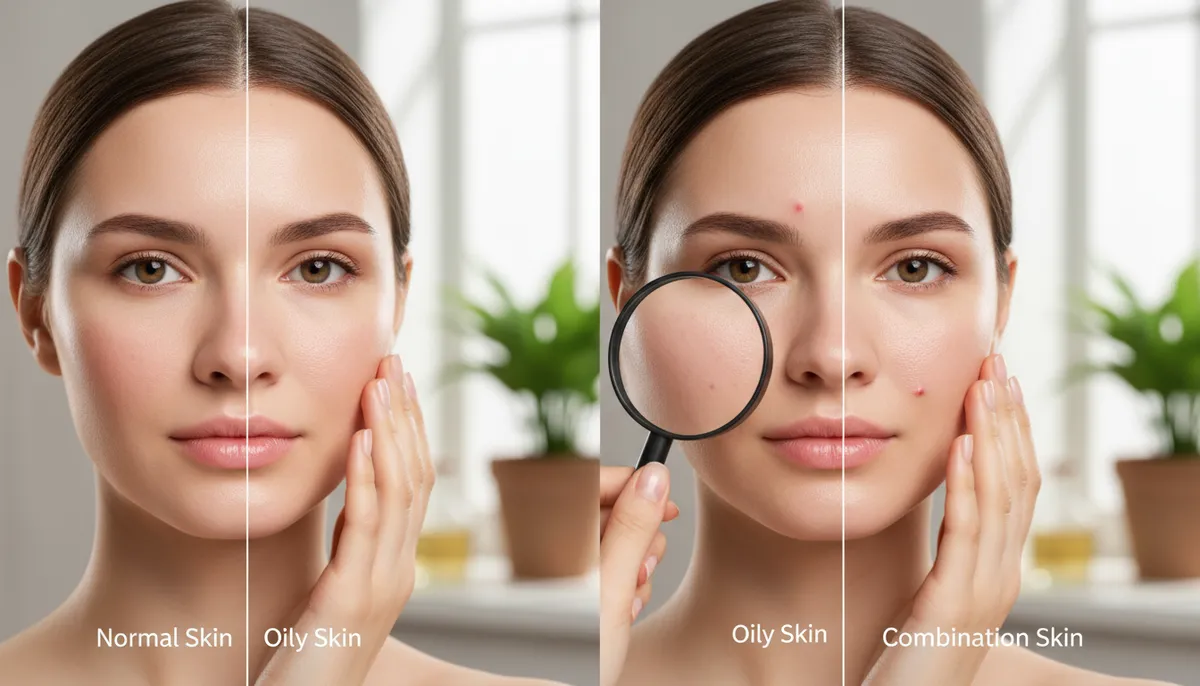
Your skin type plays an important role in determining which filler will work best for you. Thinner, more delicate skin typically responds better to softer fillers like hyaluronic acid products. These integrate smoothly without creating visible lumps or irregularities that might be more apparent in fine skin.
For thicker skin or areas requiring more structural support, denser fillers like calcium hydroxylapatite or PMMA provide the necessary lifting power. According to dermatology experts, matching filler viscosity to skin thickness is crucial for natural-looking results.
Your age and the extent of volume loss also influence filler selection. Younger patients in their late twenties to early forties typically need less volume replacement and benefit most from hyaluronic acid fillers for subtle enhancements. These provide the gentle corrections that maintain a youthful appearance without dramatic changes.
Patients in their fifties and beyond often experience more significant volume loss and may benefit from collagen-stimulating fillers like Sculptra or combination treatments. The 2025 approach emphasizes rebuilding the facial foundation gradually rather than simply filling individual wrinkles, creating more natural and age-appropriate results.
During your consultation, asking the right questions ensures you make an informed decision. Start by inquiring about your provider’s experience with different filler types and how many procedures they perform monthly. Experience matters significantly in achieving optimal, natural-looking results.
Ask which specific filler they recommend for your concerns and why. A skilled injector should explain their reasoning, discussing the properties of the chosen filler and how it addresses your unique facial anatomy. They should also discuss potential risks, side effects, and what to expect during recovery.
Request a detailed treatment plan that outlines which areas will be treated, how much filler will be used, and the expected timeline for results. In 2025, the emphasis is on subtle, gradual enhancement rather than dramatic single-session transformations. Your provider might recommend treating different areas over multiple sessions for optimal results.
Don’t hesitate to ask about costs, including whether touch-ups are needed and what those might cost. Transparency about pricing helps you budget appropriately and avoid unexpected expenses. The team at Enhanced Aesthetics & Wellness believes in providing clear, upfront information so patients feel confident in their decisions.
One of the most significant trends in 2025 is the strategic combination of dermal fillers with other aesthetic treatments. Pairing fillers with Botox creates comprehensive facial rejuvenation—Botox relaxes muscles that create dynamic wrinkles, while fillers restore volume and smooth static lines. This dual approach addresses both the causes and effects of aging.
Collagen-stimulating treatments like microneedling or laser therapy can enhance filler results by improving overall skin quality. These treatments promote cellular turnover and collagen production, creating a healthier canvas that makes filler results appear even more natural. Many providers now design integrated treatment plans that leverage multiple modalities for superior outcomes.
Understanding the proper sequence for combination treatments maximizes results and minimizes complications. Generally, Botox should be administered first, allowing two weeks for full muscle relaxation before adding fillers. This ensures the injector can accurately assess facial dynamics and filler placement needs.
Collagen-stimulating procedures like microneedling should typically be scheduled at least two weeks before or after filler treatments to avoid interfering with filler placement and to minimize inflammation. Your provider will create a customized timeline that optimizes each treatment’s effectiveness while maintaining safety.
While dermal fillers have excellent safety profiles, understanding potential risks helps you make informed decisions. Common side effects include temporary swelling, bruising, and redness at injection sites. These typically resolve within a few days to a week. More serious complications, though rare, can include vascular occlusion or allergic reactions.
Advances in injection techniques have significantly reduced risks in 2025. Refined methods using cannulas instead of needles in certain areas minimize trauma and reduce the likelihood of bruising and swelling. Experienced injectors understand facial anatomy intimately, avoiding blood vessels and nerve pathways to ensure safe, comfortable treatments.
Results vary depending on the filler type chosen. Hyaluronic acid fillers provide immediate visible improvement, though final results appear after swelling subsides in about a week. Collagen-stimulating fillers like Sculptra require patience, as results develop gradually over several months as your body produces new collagen.
Maintenance is an important consideration when choosing fillers. Shorter-lasting hyaluronic acid fillers require more frequent touch-ups, typically every 6-12 months. Longer-lasting options like Sculptra or Bellafill require less frequent maintenance but represent a bigger initial commitment. Visit us on Google to see real patient reviews and experiences with different filler types.
Post-treatment care significantly impacts your results and recovery experience. Immediately after treatment, avoid touching or massaging the treated areas unless specifically instructed by your provider. Applying ice can help minimize swelling, but avoid placing ice directly on the skin—wrap it in a soft cloth first.
For the first 24-48 hours, avoid strenuous exercise, alcohol consumption, and excessive heat exposure (saunas, hot tubs, or prolonged sun exposure). These activities increase blood flow and can worsen swelling or bruising. Sleep with your head elevated the first night to further minimize swelling.
Protecting your investment in dermal fillers means maintaining healthy skin through proper skincare and sun protection. Daily use of broad-spectrum SPF 30 or higher prevents UV damage that accelerates filler breakdown and skin aging. Quality moisturizers with hyaluronic acid complement hyaluronic acid fillers by keeping skin hydrated.
Schedule follow-up appointments as recommended by your provider. These check-ins allow your injector to assess results, perform any necessary touch-ups, and plan future treatments. Building a long-term relationship with your aesthetic provider ensures continuity of care and increasingly refined results over time.
Choosing the right dermal filler is a personal decision that should be made collaboratively with a qualified, experienced provider. Take time to research your options, understand the differences between filler types, and honestly assess your goals and expectations. The right filler for you addresses your specific concerns, fits your lifestyle and budget, and aligns with your vision for natural-looking enhancement.
Remember that facial rejuvenation is a journey, not a destination. The subtle, gradual approach favored in 2025 creates results that evolve naturally with your face, maintaining your unique features while refreshing your appearance. Trust your instincts when selecting a provider—you should feel heard, respected, and confident in their expertise.
Ready to discover which dermal filler is perfect for your unique needs? The experienced team at Enhanced Aesthetics & Wellness in Pahrump, Nevada specializes in creating customized treatment plans that enhance your natural beauty. Explore our Before & After Gallery to see the beautiful, natural-looking results we achieve for our patients, and schedule your personalized consultation today to begin your journey toward refreshed, rejuvenated skin.
Q: What are the different types of dermal fillers and how do I know which is right for me?
A: The main types include hyaluronic acid (best for fine lines and lips, lasting 6-12 months), calcium hydroxylapatite (ideal for deeper wrinkles, lasting 12-18 months), poly-L-lactic acid (gradual collagen stimulation, lasting 2-3+ years), PMMA (semi-permanent for deep wrinkles, lasting up to 5 years), and autologous fillers like fat transfers or PRF. Your choice depends on your specific concerns, skin type, desired longevity, and budget. A consultation with an experienced provider helps determine the best match for your unique goals.
Q: How long do dermal fillers typically last and what affects their longevity?
A: Dermal filler duration varies by type: hyaluronic acid fillers last 6-12 months (Voluma up to 12 months), calcium hydroxylapatite lasts 12-18 months, poly-L-lactic acid lasts 2-3+ years, and PMMA can last up to 5 years. Factors affecting longevity include your metabolism, the treatment area (areas with more movement break down fillers faster), the amount injected, and your skincare routine. Proper sun protection and healthy lifestyle habits can help extend your results.
Q: Can dermal fillers be combined with other treatments like Botox?
A: Absolutely! Combining dermal fillers with Botox is one of the most popular approaches in 2025 for comprehensive facial rejuvenation. Botox relaxes muscles that create dynamic wrinkles, while fillers restore lost volume and smooth static lines. They work beautifully together to address different aspects of aging. Other complementary treatments include microneedling, laser therapy, and collagen-stimulating procedures. Your provider will create a customized treatment plan that sequences these procedures properly for optimal, natural-looking results.
Q: Are dermal fillers safe and what are the potential side effects?
A: Dermal fillers have excellent safety profiles, especially when administered by experienced, qualified providers. Common temporary side effects include swelling, bruising, redness, and tenderness at injection sites, typically resolving within a few days to a week. Serious complications are rare but can include infection, vascular occlusion, or allergic reactions. In 2025, refined injection techniques and better understanding of facial anatomy have further improved safety, reducing risks like nodules and irregularities. Choosing an experienced injector who understands facial anatomy is key to minimizing risks.
Q: What’s the difference between temporary and permanent dermal fillers, and which should I choose?
A: Temporary fillers (hyaluronic acid, calcium hydroxylapatite) are fully absorbed by the body over time, offering flexibility if you want to adjust your look or try fillers without long-term commitment. Semi-permanent and permanent fillers (PMMA, some fat transfers) provide longer-lasting results but are more difficult to reverse if you’re unhappy. Most providers recommend starting with temporary fillers, especially if you’re new to injectables. This allows you to see how your face responds and refine your aesthetic goals before committing to longer-lasting options. The gradual, reversible approach is generally safer and more adaptable to your changing preferences.
Are you tired of dealing with stubborn acne or dull skin? Look no further than salicylic acid! This beloved skincare ingredient has gained a reputation

Compare local Pahrump med spas to Las Vegas trips and discover why residents choose local aesthetic care for lasting results.
