What Do Pahrump Med Spa Ratings Really Tell You?
Discover why Enhanced Aesthetics & Wellness leads Pahrump med spa ratings with 4.7-5 star reviews across platforms.


Laser treatments like IPL and PDL can effectively reduce rosacea redness by targeting blood vessels beneath the skin's surface, with most patients seeing significant improvements after 3-5 sessions.
Choosing between IPL and PDL depends on rosacea severity, with IPL better for mild cases and PDL more precise for stubborn visible blood vessels.
Sun protection and identifying personal rosacea triggers are crucial for maintaining long-term results after laser treatment.
Treatment sessions typically last 20-30 minutes with minimal downtime, making them convenient for most people's schedules.
Combination therapies like pairing laser treatments with microneedling can provide more comprehensive skin improvement beyond just reducing redness.
If you’re dealing with rosacea, you know how frustrating those red, flushed cheeks can be. The good news? Laser treatments have become a game-changer for people seeking relief from this common skin condition. When you search “laser for rosacea near me,” you’re taking the first step toward clearer, calmer skin. In Pahrump, Nevada, Enhanced Aesthetics & Wellness offers advanced laser solutions that target rosacea at its source, helping you regain confidence without surgery or downtime.
Understanding your options is key to making the right choice. Two popular laser treatments—Intense Pulsed Light (IPL) and Pulsed Dye Laser (PDL)—work differently but both deliver impressive results. This article breaks down how each treatment works, what makes them unique, and which might be perfect for your skin type and lifestyle. Let’s dive into the world of laser therapy for rosacea and discover what works best for you.

Rosacea is a chronic skin condition that causes redness, visible blood vessels, and sometimes small bumps on your face. It often flares up with triggers like stress, spicy foods, or temperature changes. While there’s no cure, laser treatments offer a powerful way to manage symptoms and reduce visible redness.
Lasers work by targeting the tiny blood vessels beneath your skin’s surface. These vessels become enlarged with rosacea, creating that persistent red appearance. When laser energy hits these vessels, it causes them to collapse and be reabsorbed by your body. Over time, this reduces redness and evens out your skin tone.
The beauty of laser therapy is that it addresses the root cause rather than just covering up symptoms. Unlike topical creams that provide temporary relief, lasers create lasting improvements. Most people notice significant changes after just a few sessions, with results continuing to improve over several months.

Intense Pulsed Light, commonly called IPL, uses broad-spectrum light to treat rosacea. Think of it as a high-tech camera flash that targets problem areas in your skin. The Sciton Joule BBL Treatment at Enhanced Aesthetics & Wellness represents the latest generation of IPL technology.
IPL works by delivering multiple wavelengths of light to your skin. This versatility allows it to target different concerns at once—redness, broken capillaries, brown spots, and uneven texture. The light energy converts to heat, which destroys unwanted blood vessels while stimulating collagen production for smoother, younger-looking skin.
During an IPL session, your provider applies a cooling gel to your face and uses a handheld device to pulse light across treatment areas. Each pulse feels like a quick snap of a rubber band—slightly uncomfortable but totally bearable. Most sessions take 20 to 30 minutes, making it easy to fit into your lunch break.
The treatment targets hemoglobin (the red pigment in blood) and melanin (the brown pigment in skin). When these pigments absorb light energy, they heat up and are eliminated by your body’s natural processes. This dual action makes IPL particularly effective for rosacea patients who also struggle with sun damage or age spots.
Here’s what makes IPL special:
Most people need 3 to 5 treatments spaced about four weeks apart. You’ll start seeing improvements after your first session, with full results appearing about three months after your final treatment. Many clients at Enhanced Aesthetics & Wellness report that their skin looks clearer and more radiant than it has in years.
Pulsed Dye Laser takes a more targeted approach to rosacea treatment. Instead of broad-spectrum light, PDL uses a single, specific wavelength (usually 595 nanometers) that’s perfectly tuned to target blood vessels. This precision makes it incredibly effective for stubborn redness and visible veins.
PDL technology has been around longer than IPL and is considered the gold standard by many dermatologists for treating vascular conditions. The laser penetrates deeper into your skin than IPL, making it ideal for more severe rosacea cases or those pesky broken blood vessels that won’t respond to other treatments.
During a PDL session, your provider uses a laser handpiece to deliver precise bursts of yellow light to affected areas. The laser’s built-in cooling system protects your skin’s surface while the energy penetrates to target vessels below. This cooling feature significantly reduces discomfort and prevents damage to surrounding tissue.
The hemoglobin in your blood vessels absorbs the laser’s energy, causing the vessels to heat up and seal shut. Your body then naturally removes these sealed vessels over the following weeks. The precision of PDL means it can treat even the smallest, most stubborn capillaries that create that persistent red appearance.
PDL offers distinct advantages:
Treatment sessions typically last 15 to 30 minutes, depending on the treatment area. Most people need 2 to 4 sessions scheduled four to six weeks apart. You might experience more temporary redness and bruising compared to IPL, but these side effects usually resolve within a week.
Choosing between IPL and PDL depends on several factors including your rosacea severity, skin type, budget, and lifestyle. Let’s break down the key differences to help you make an informed decision.
| Feature | IPL (Intense Pulsed Light) | PDL (Pulsed Dye Laser) |
|---|---|---|
| Best For | Mild to moderate rosacea, multiple skin concerns | Moderate to severe rosacea, visible blood vessels |
| Treatment Area | Large areas (full face, chest, hands) | Targeted areas with concentrated redness |
| Downtime | Minimal—immediate return to activities | Slight—possible bruising for 3-7 days |
| Comfort Level | Mild discomfort, quick snapping sensation | Moderate discomfort with cooling relief |
| Sessions Needed | 3-5 treatments | 2-4 treatments |
| Cost per Session | Generally more affordable | Typically higher investment |
| Additional Benefits | Treats sun damage, age spots, texture | Highly effective for vascular issues only |
Your skin type plays a significant role in determining which treatment works best. IPL tends to be safer for people with lighter skin tones (Fitzpatrick types I-III), as darker skin contains more melanin that can absorb the light energy and potentially cause pigmentation changes.
PDL, on the other hand, can often be used safely on a broader range of skin tones when adjusted properly. The laser’s specific wavelength targets hemoglobin rather than melanin, reducing the risk of pigmentation issues. If you have darker skin, discuss your options carefully with your provider to ensure the safest, most effective treatment.
For mild to moderate rosacea with general facial redness, IPL typically delivers excellent results. It’s perfect if you’re dealing with diffuse redness across your cheeks, nose, and forehead. The broad treatment area and gentle approach make it ideal for overall skin improvement.
If you have more severe rosacea with prominent, visible blood vessels (telangiectasia), PDL might be your better bet. Its precision allows it to target those stubborn vessels that create spidery red lines across your face. Some people even combine both treatments—using PDL for concentrated problem areas and IPL for overall skin rejuvenation.
Understanding the treatment process helps reduce anxiety and sets realistic expectations. Whether you choose IPL or PDL, the journey follows a similar path with some key differences along the way.
IPL treatments usually involve minimal downtime. You might experience mild redness similar to a sunburn for a few hours after treatment. Some people develop temporary darkening of brown spots, which flake off within a week. Most clients return to work immediately and cover any residual redness with makeup.
PDL recovery can involve more noticeable side effects. Bruising (purpura) is common and can last 3 to 7 days. This happens because the laser is specifically targeting and damaging blood vessels. While the bruising can be covered with makeup, some people prefer scheduling treatments around social events or taking a few days off work.
Many people wonder if they should stick with one treatment or combine multiple approaches. The truth is, combining therapies often delivers the best outcomes for complex skin concerns. This strategy is called combination therapy, and it’s become increasingly popular in medical aesthetics.
At Enhanced Aesthetics & Wellness, providers often create customized treatment plans that pair laser therapy with other modalities. For example, Morpheus8 microneedling can be combined with IPL to address both rosacea and skin texture issues. The microneedling stimulates collagen production while the laser targets redness—a powerful one-two punch.
The CoolPeel® Treatment offers another innovative option. This fractional CO2 laser provides the benefits of traditional laser resurfacing without the lengthy downtime. When used alongside IPL or PDL, it can significantly improve overall skin quality while managing rosacea symptoms.
Laser treatments deliver impressive results, but maintaining them requires ongoing care. Think of it like getting your car detailed—regular maintenance keeps it looking showroom-new. Your skin works the same way.
Working with a medical aesthetics provider ensures you have professional guidance throughout your journey. They can recommend medical-grade skincare products that support your results without irritating sensitive skin. Products containing azelaic acid, niacinamide, and gentle antioxidants work particularly well for post-laser care.
Consider exploring SkinPen Microneedling as a maintenance option between laser sessions. This gentle treatment stimulates collagen without targeting blood vessels, making it perfect for keeping skin smooth and healthy between more intensive treatments.
Let’s talk about the financial side of laser rosacea treatment. Understanding costs upfront helps you plan and budget accordingly. While prices vary based on location, provider expertise, and treatment specifics, here’s what you can generally expect.
| Treatment Type | Average Cost per Session | Typical Sessions Needed | Total Investment Range |
|---|---|---|---|
| IPL Treatment | $300-$600 | 3-5 sessions | $900-$3,000 |
| PDL Treatment | $400-$800 | 2-4 sessions | $800-$3,200 |
| Combination Therapy | $500-$1,000 | 3-6 sessions | $1,500-$6,000 |
Most insurance companies consider laser treatment for rosacea a cosmetic procedure and don’t provide coverage. However, if your rosacea causes significant physical discomfort or impacts your quality of life, some plans may offer partial reimbursement. It’s worth checking with your insurance provider and getting documentation from your healthcare provider.
Many medical spas, including Enhanced Aesthetics & Wellness, offer package deals that reduce the per-session cost. Paying upfront for a series of treatments often saves 10-20% compared to paying session-by-session. Some practices also provide financing options through healthcare credit companies, allowing you to spread payments over several months.
Think of laser treatment as an investment in yourself. When you calculate the cost of makeup to cover redness, topical medications, and the emotional toll of feeling self-conscious, laser therapy often represents excellent value. The confidence boost and improved quality of life are truly priceless.
Hearing from people who’ve been through the treatment process provides valuable perspective. While results vary, certain themes emerge consistently from patient experiences with laser rosacea treatment.
Most people report that their biggest surprise was how quick and relatively comfortable the treatments were. The anticipation is often worse than the actual procedure. Many clients describe the sensation as tolerable and well worth the results.
Check out the before & after gallery to see real transformations from laser treatments. These photos showcase the dramatic improvements possible with consistent treatment and proper aftercare.
Finding a qualified provider is crucial for safe, effective treatment. Not all laser operators have the same level of training or experience, so doing your homework protects your skin and your investment.
Enhanced Aesthetics & Wellness meets all these criteria and more. Their team stays current with the latest advances in laser technology and has extensive experience treating various skin types and rosacea severities. The state-of-the-art facility in Pahrump offers a comfortable, professional environment where your concerns are heard and addressed.
While laser therapy offers impressive results, it’s not the only option for managing rosacea. Understanding all your choices helps you create the most effective treatment strategy for your unique situation.
Topical medications like metronidazole, azelaic acid, and ivermectin can reduce inflammation and redness. These work well for mild cases or as maintenance between laser sessions. Oral antibiotics help with inflammatory rosacea that includes bumps and pustules.
The ZO 3-Step Peel provides another approach for improving overall skin health. While it doesn’t target blood vessels like lasers, it exfoliates and renews the skin’s surface, which can minimize the appearance of redness and improve texture. Chemical peels work particularly well when alternated with laser treatments for comprehensive results.
Simple lifestyle changes can significantly impact rosacea symptoms. These strategies complement laser treatment and help maintain your results:
Some people find that hormone balance plays a role in their rosacea symptoms. Hormonal fluctuations can trigger inflammation and skin sensitivity. If you suspect hormones contribute to your flare-ups, discuss comprehensive wellness approaches with your provider.
Dealing with rosacea doesn’t have to mean living with persistent redness and self-consciousness. Modern laser treatments offer real, lasting solutions that go beyond temporary symptom management. Whether IPL or PDL is right for you depends on your specific skin concerns, lifestyle, and treatment goals.
The journey to clearer, calmer skin starts with education and expert guidance. You’ve already taken an important step by learning about your options. Now it’s time to transform that knowledge into action and experience the confidence that comes with healthy, radiant skin.
Enhanced Aesthetics & Wellness in Pahrump offers personalized consultations where you can discuss your concerns, examine your options, and create a customized treatment plan. Their experienced team uses the latest laser technology to deliver safe, effective results for all types of rosacea. Don’t let redness hold you back any longer. Schedule your consultation today and discover how laser treatment can transform your skin and your confidence. Your journey to clearer skin begins with one simple step—reaching out to a trusted provider who understands your unique needs and goals.
Q: How many laser treatments do I need to see results for rosacea?
A: Most people need 3 to 5 IPL sessions or 2 to 4 PDL sessions scheduled 4 to 6 weeks apart. You’ll notice improvements after your first treatment, but full results typically appear about three months after your final session. Your provider will customize a plan based on your rosacea severity and skin response.
Q: Is laser treatment for rosacea painful?
A: Most people describe the sensation as tolerable—like a quick rubber band snap against your skin. IPL tends to be gentler than PDL, though both treatments use cooling mechanisms to minimize discomfort. Your provider can apply numbing cream if you’re particularly sensitive, making the experience quite comfortable for most patients.
Q: Can laser treatment completely cure my rosacea?
A: Laser therapy doesn’t cure rosacea, but it significantly reduces symptoms and visible redness for extended periods. Most people experience dramatic improvement lasting 6 months to several years. Maintenance treatments once or twice yearly help sustain your results, along with proper skincare and avoiding known triggers.
Q: What’s the recovery time after laser treatment for rosacea?
A: IPL typically involves minimal downtime—you might experience mild redness for a few hours but can return to normal activities immediately. PDL may cause bruising that lasts 3 to 7 days. Both treatments require sun protection and gentle skincare during healing, but most people easily manage their daily routines throughout the process.
Q: Will my insurance cover laser treatment for rosacea?
A: Most insurance companies consider laser rosacea treatment cosmetic and don’t provide coverage. However, if your condition significantly impacts your quality of life or causes physical discomfort, some plans may offer partial reimbursement. Check with your insurance provider and ask your healthcare provider for documentation supporting medical necessity if applicable.
Discover why Enhanced Aesthetics & Wellness leads Pahrump med spa ratings with 4.7-5 star reviews across platforms.
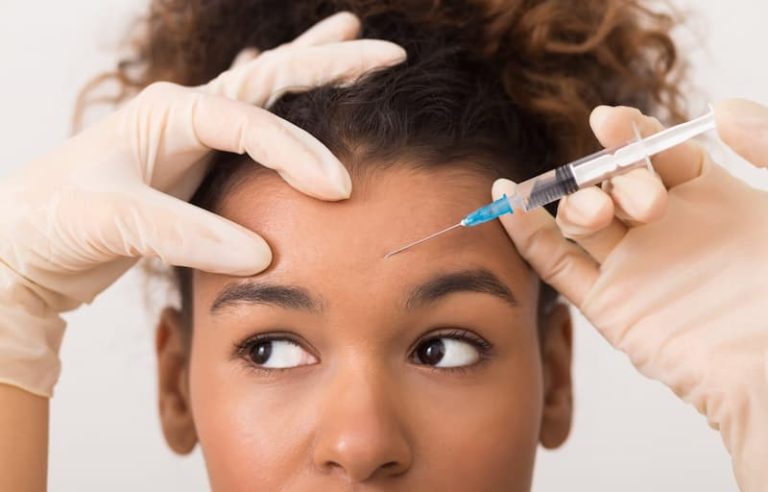
Experience the rejuvenating effects of Dysport injections. Smooth wrinkles and achieve natural-looking results with our expert care
