
Can Hormonal Fluctuations Affect Your Daily Life?
Hormonal fluctuations can influence your mood, energy, sleep, and even your appearance. If you are going through any of this, give us a call.


Laser resurfacing uses targeted light energy to remove damaged skin layers and stimulate collagen production for smoother, younger-looking skin.
Different laser types like ablative, non-ablative, and fractional offer customized treatments for various skin concerns including wrinkles, scars, and sun damage.
Choose a board-certified provider with extensive experience and modern laser technology to ensure safe and effective treatment results.
Preparation is key: Avoid sun exposure, stop smoking, and follow pre-treatment skincare protocols to optimize laser resurfacing outcomes.
Recovery involves gentle skincare, sun protection, and following specific aftercare instructions to support healing and maintain results.
Combining laser resurfacing with complementary treatments like dermal fillers or microneedling can enhance overall skin rejuvenation.
Treatment costs vary based on area, type of laser, and provider experience, but many find the long-lasting results provide excellent value for investment.
Have you ever looked in the mirror and wished your skin could look smoother, brighter, and younger? You’re not alone! Many people struggle with wrinkles, sun damage, acne scars, and uneven skin tone. The good news is that laser resurfacing offers an incredible solution to these common skin concerns. This advanced treatment has become one of the most popular ways to refresh your appearance without surgery.
In this article, we’ll explore everything you need to know about laser resurfacing. We’ll discuss how it works, the different types available, what to expect during treatment, and how to find the best options in your area. By the end, you’ll understand why so many people are choosing this transformative procedure to achieve the glowing skin they’ve always wanted.
Whether you’re dealing with fine lines, sun spots, or scarring, laser resurfacing might be exactly what you need. Let’s dive in and discover how this treatment can help you look and feel your absolute best!

Laser resurfacing is a cosmetic procedure that uses focused light energy to improve your skin’s appearance. The laser removes damaged outer layers of skin while heating the underlying layers. This process stimulates collagen production, which is the protein that keeps your skin firm and youthful. Think of it like sanding down old wood to reveal fresh, smooth material underneath.
The treatment targets specific skin concerns with remarkable precision. During the procedure, the laser creates tiny columns of heat in your skin. Your body naturally responds by producing new, healthy skin cells. This replacement process gradually reduces wrinkles, scars, and discoloration. The results can be truly amazing!
Different laser types work in different ways. Some remove thin layers of skin for gentle resurfacing. Others penetrate deeper for more dramatic results. Your provider will choose the best approach based on your skin type, concerns, and goals. The science behind laser resurfacing has advanced significantly in recent years, making treatments safer and more effective than ever before.

Not all laser resurfacing treatments are the same. Understanding the different options helps you make the best choice for your needs. Here are the main types you’ll encounter:
Ablative lasers remove the outer layers of skin completely. These treatments provide the most dramatic results but require more recovery time. Deep Laser Peel treatments fall into this category and can address severe wrinkles, deep scars, and significant sun damage. The healing process typically takes one to two weeks, but the results can last for years.
Two popular ablative options include CO2 lasers and erbium lasers. CO2 lasers work best for deeper wrinkles and scars. Erbium lasers cause less damage to surrounding tissue, making recovery faster. Both options deliver excellent results when performed by skilled professionals.
Non-ablative lasers work beneath the skin’s surface without removing the top layer. These treatments stimulate collagen production with minimal downtime. You might experience some redness and swelling, but you can usually return to normal activities quickly. Non-ablative options work wonderfully for mild to moderate skin concerns.
The CoolPeel® Treatment represents an innovative approach to non-ablative resurfacing. This advanced technology delivers excellent results without the extended recovery period. Many people love this option because they can get back to their daily routine almost immediately.
Fractional lasers treat only a fraction of your skin at a time. They create thousands of tiny treatment zones while leaving surrounding tissue intact. This approach promotes faster healing and reduces side effects. Nanolaser Peel and Microlaser Peel treatments use fractional technology to deliver customized results.
Fractional resurfacing offers a perfect middle ground. You get noticeable improvements without the lengthy downtime of traditional ablative treatments. This makes it ideal for busy people who want great results but can’t take weeks off for recovery.

Laser resurfacing effectively treats a wide range of skin issues. Here are the most common concerns that respond beautifully to this treatment:
Many people combine laser resurfacing with other treatments for even better results. For example, Botox can address dynamic wrinkles while laser resurfacing improves skin texture and tone. This comprehensive approach creates truly transformative results.

Knowing what happens during your appointment helps you feel more comfortable and prepared. Here’s a step-by-step overview of the typical laser resurfacing experience:
Your provider will start with a thorough consultation. They’ll examine your skin, discuss your goals, and recommend the best treatment option. You might need to prepare your skin for several weeks before the procedure. This could include using special skincare products or avoiding certain medications that increase bleeding risk.
On treatment day, arrive with clean skin free of makeup, lotions, or creams. Your provider will cleanse your face and may apply a topical numbing cream. This ensures your comfort throughout the procedure. Some deeper treatments might require local anesthesia or sedation.
The actual treatment time varies depending on the size of the area being treated. Small areas might take just 30 minutes, while full-face treatments could take up to two hours. You’ll feel some heat and possibly a tingling sensation as the laser works. Most people describe it as tolerable, especially with numbing cream.
Your provider will make multiple passes over your skin with the laser device. They’ll adjust settings to treat different areas appropriately. You might notice a slight burning smell—this is completely normal and just the laser working on your skin cells.
Immediately after treatment, your skin will look red and feel similar to a sunburn. Your provider will apply ointment and possibly bandages to protect the treated area. They’ll give you detailed aftercare instructions to follow at home. Following these instructions carefully ensures the best possible results and minimizes complications.
Recovery time depends on the type of laser used. Nanolaser Peel treatments might only require a few days of downtime. More aggressive treatments could need two weeks or more for complete healing. During this time, you’ll need to avoid sun exposure, keep your skin moisturized, and use gentle cleansers.
Choosing the right provider makes all the difference in your results and safety. Here’s what to look for when searching for laser resurfacing treatments:
Look for providers with proper medical credentials and specialized training in laser treatments. Board-certified dermatologists, plastic surgeons, and medical aestheticians with extensive experience deliver the best outcomes. Don’t be afraid to ask about their training and how many procedures they’ve performed.
Experience with your specific skin type matters too. Different skin tones respond differently to laser treatments. An experienced provider knows how to adjust settings to avoid complications like hyperpigmentation or scarring. They’ll customize your treatment plan based on your unique needs.
The quality of laser equipment directly impacts your results. Reputable providers invest in the latest technology and maintain their equipment properly. Ask what type of laser they use and why they recommend it for your concerns. State-of-the-art facilities like Enhanced Aesthetics & Wellness in Pahrump, Nevada offer multiple laser options to address different skin issues effectively.
Advanced treatments like Sciton Joule BBL Treatment and DEKA Treatment represent cutting-edge technology. These systems provide excellent results with enhanced safety features. When touring facilities, notice whether the equipment looks modern and well-maintained.
Reviewing before and after photos gives you realistic expectations. Look for patients with similar skin concerns and skin types to yours. Quality providers maintain extensive before & after gallery collections showcasing their work. These photos demonstrate their skill level and the results you might expect.
Pay attention to the quality of results, not just the dramatic transformations. Natural-looking improvements often indicate a skilled provider who understands facial aesthetics. Be wary of photos that look heavily edited or too good to be true.
Many people discover that combining laser resurfacing with complementary treatments creates even better results. Here are some popular combinations:
Your provider can create a customized treatment plan that addresses all your concerns. This comprehensive approach often delivers more dramatic and longer-lasting results than any single treatment alone. The key is working with experienced professionals who understand how different modalities work together.
Laser resurfacing represents an investment in your appearance and confidence. Understanding the cost factors helps you budget appropriately and make informed decisions.
Several elements influence the price of laser resurfacing treatments:
While laser resurfacing isn’t cheap, many people find it offers excellent value compared to ongoing skincare products or less effective treatments. Results can last several years with proper skincare and sun protection. When you calculate the cost per year of improvement, laser resurfacing often proves more economical than you might think.
Consider the boost in confidence and satisfaction that comes with clearer, younger-looking skin. Many patients report feeling more comfortable in social situations and more confident at work. These intangible benefits add tremendous value beyond the physical improvements.
Proper preparation ensures the best possible outcomes from your laser resurfacing treatment. Your provider will give you specific instructions, but here are common preparation steps:
You may need to use special products for several weeks before treatment. These might include tretinoin or other retinoids to prepare your skin. Some providers recommend hydroquinone to even out skin tone before the procedure. Following these pre-treatment protocols helps your skin heal better and reduces complication risks.
Stop using certain products like exfoliating acids, retinol, and harsh scrubs about a week before treatment. These can make your skin more sensitive and increase side effects. Switch to gentle, fragrance-free cleansers and moisturizers instead.
Avoid sun exposure for at least four weeks before your treatment. Sunburned or tanned skin increases complications and can affect results. Use broad-spectrum sunscreen daily, even on cloudy days. Wear protective clothing and seek shade whenever possible.
Taking care of your skin after laser resurfacing is just as important as the treatment itself. Proper aftercare ensures optimal healing and beautiful results.
Your skin will need extra attention during the first few days. Keep the treated area clean using gentle cleansers recommended by your provider. Apply prescribed ointments or moisturizers regularly to keep skin hydrated and protected. Avoid picking at peeling skin, as this can cause scarring.
Manage discomfort with over-the-counter pain relievers if needed. Apply cool compresses to reduce swelling and soothe irritation. Sleep with your head elevated to minimize swelling. Avoid strenuous exercise and activities that cause sweating until your provider gives clearance.
Sun protection becomes even more critical after laser resurfacing. New skin is extremely vulnerable to UV damage. Wear broad-spectrum SPF 30 or higher sunscreen every single day. Reapply every two hours when outdoors. Consider wearing wide-brimmed hats and seeking shade during peak sun hours.
Maintain results with a quality skincare routine. Use gentle products that support skin health without causing irritation. Your provider might recommend specific products to enhance and prolong your results. Many people also benefit from periodic maintenance treatments to keep their skin looking its best.
Setting realistic expectations helps you feel satisfied with your laser resurfacing results. While the treatment delivers impressive improvements, understanding what’s possible prevents disappointment.
You won’t see final results immediately. Initial redness and swelling can last several days to weeks depending on treatment intensity. As your skin heals, you’ll notice gradual improvements. Collagen production continues for months after treatment, meaning results actually improve over time.
Laser resurfacing results can last several years with proper care. Factors affecting longevity include your age, skin type, sun exposure, and overall health. Younger patients with good skin quality often enjoy longer-lasting results. Protecting your skin from sun damage helps maintain improvements significantly longer.
Many people choose to do maintenance treatments every few years. These touch-up sessions refresh results and address new signs of aging. Some facilities like Enhanced Aesthetics & Wellness offer comprehensive treatment plans that include both initial procedures and long-term maintenance strategies.
Like any medical procedure, laser resurfacing carries some risks. Understanding these helps you make informed decisions and take steps to minimize complications.
Most side effects are temporary and resolve during the healing process. These include redness, swelling, itching, and skin sensitivity. You might also experience acne breakouts or milia (tiny white bumps) as your skin heals. These typically clear up on their own or with gentle treatment.
More serious but less common complications include infection, scarring, and changes in skin pigmentation. Choosing an experienced provider and following aftercare instructions carefully dramatically reduces these risks. Always report unusual symptoms to your provider immediately.
Certain people should avoid laser resurfacing or proceed with extra caution. These include individuals with active skin infections, those taking isotretinoin (Accutane), and people with certain autoimmune conditions. Pregnant or breastfeeding women should postpone treatment until later.
People with darker skin tones need special consideration. Some laser types can cause hyperpigmentation in darker skin. However, experienced providers can safely treat all skin types by choosing appropriate laser settings and technologies. Always disclose your complete medical history during your consultation.
While laser resurfacing offers excellent results, it’s not the only option for skin improvement. Understanding alternatives helps you choose the best approach for your needs and circumstances.
Morpheus8 combines microneedling with radiofrequency energy to tighten and resurface skin. This treatment works well for people who want significant improvements without laser technology. It’s particularly effective for treating deeper skin layers and stimulating collagen production.
Chemical peels provide another alternative for skin resurfacing. Options range from light peels with no downtime to deep peels that rival laser resurfacing results. The Zo 3 Step Peel offers a gentler approach to skin renewal that many people love.
Sometimes the best approach involves multiple treatment types. For example, you might combine laser resurfacing for skin texture with KYBELLA® for reducing double chin fat. This comprehensive strategy addresses multiple concerns simultaneously for complete facial rejuvenation.
Your provider can help design a personalized treatment plan that might include several complementary procedures. This customized approach ensures you achieve your specific goals most effectively. Many facilities offer package deals that make combining treatments more affordable.
Deciding whether to pursue laser resurfacing requires careful consideration of your goals, budget, and lifestyle. Ask yourself these important questions:
Schedule consultations with experienced providers to discuss your options. They can examine your skin, answer questions, and recommend the best treatment approach. Don’t rush this decision—take time to gather information and feel completely comfortable before proceeding.
When searching for laser resurfacing providers nearby, start with research and recommendations. Ask friends or family members who’ve had treatments about their experiences. Online reviews can provide valuable insights, though remember that individual results vary.
Look for providers who offer multiple laser options and customize treatments to individual needs. Facilities that invest in the latest technology and ongoing staff training typically deliver superior results. Check their credentials, experience, and patient satisfaction rates.
If you’re in the Pahrump, Nevada area, Enhanced Aesthetics & Wellness offers comprehensive laser resurfacing options with state-of-the-art technology. Their experienced team provides personalized care and outstanding results. Visit us on Google to read reviews from satisfied patients and learn more about their services.
Laser resurfacing offers an incredible opportunity to refresh your appearance and boost your confidence. Whether you’re dealing with wrinkles, sun damage, scars, or uneven texture, this advanced treatment can help you achieve the smooth, radiant skin you deserve. The technology continues to improve, making treatments safer and more effective than ever before.
Remember that choosing the right provider matters just as much as selecting the right treatment. Look for experienced professionals who use quality equipment and take time to understand your unique needs. Proper preparation and aftercare are equally important for achieving optimal results that last.
Don’t let skin concerns hold you back from feeling your best. Today’s laser resurfacing options offer solutions for almost everyone, with treatments ranging from gentle to aggressive depending on your needs and preferences. Take the first step toward better skin by scheduling a consultation with a qualified provider.
Ready to transform your skin and boost your confidence? Book an appointment with Enhanced Aesthetics & Wellness today to discuss your laser resurfacing options. Their friendly team will help you create a personalized treatment plan designed to help you look and feel absolutely amazing. Your journey to radiant, youthful skin starts now!
Q: How much does laser resurfacing typically cost?
A: Laser resurfacing costs vary widely based on treatment type, area size, and provider experience. Prices generally range from $1,000 to $5,000 per session. Gentler treatments cost less, while full-face ablative resurfacing sits at the higher end. Many providers offer financing options to make treatments more affordable.
Q: Is laser resurfacing painful?
A: Most people describe laser resurfacing as uncomfortable rather than painful. Providers use topical numbing cream for lighter treatments and may offer sedation for more aggressive procedures. You’ll feel heat and tingling during treatment, but pain is generally manageable. Discomfort after treatment feels similar to a sunburn and can be controlled with over-the-counter pain relievers.
Q: How long does recovery from laser resurfacing take?
A: Recovery time depends on the treatment type. Non-ablative and fractional treatments may require only a few days of redness and mild peeling. More aggressive ablative treatments can need one to two weeks of significant downtime. Complete healing and final results typically take several months as collagen continues rebuilding.
Q: Can laser resurfacing remove deep wrinkles completely?
A: Laser resurfacing significantly reduces deep wrinkles but may not eliminate them entirely. Results depend on wrinkle depth, skin quality, and treatment type. Most people see 50-80% improvement in deep wrinkles with aggressive treatments. Combining laser resurfacing with other treatments like fillers or Botox often provides the most dramatic wrinkle reduction.
Q: How often do I need laser resurfacing treatments?
A: Many people achieve desired results with a single laser resurfacing treatment that lasts several years. Some prefer a series of lighter treatments spaced weeks or months apart for gradual improvement. Maintenance treatments every few years help preserve results as natural aging continues. Your provider will recommend a treatment schedule based on your specific goals and skin condition.
Hormonal fluctuations can influence your mood, energy, sleep, and even your appearance. If you are going through any of this, give us a call.
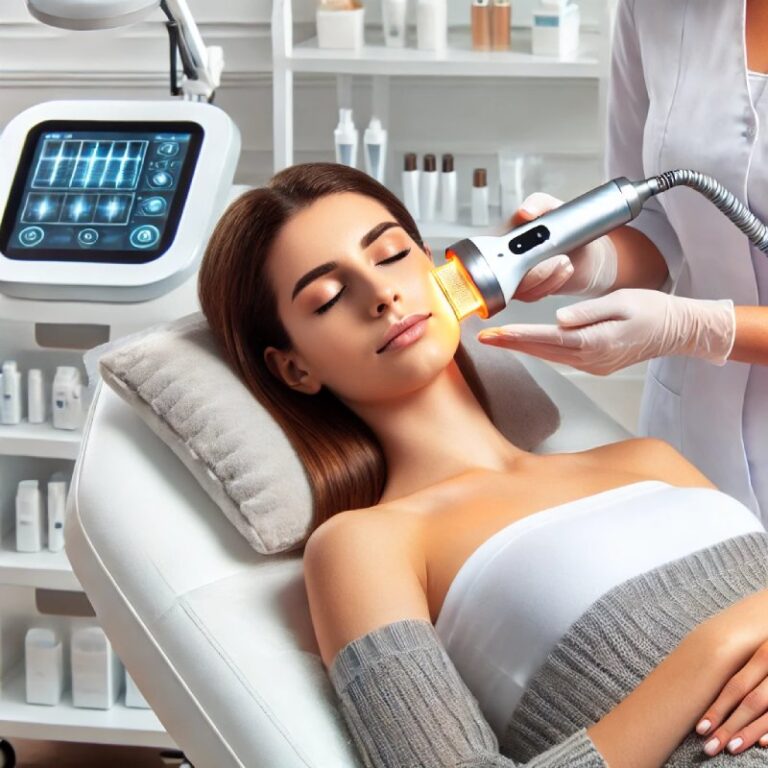
What is a BBL treatment? Learn how this powerful light therapy can reduce sun damage, wrinkles, and acne scars for clearer, healthier skin.
