
How to Find the Best CO2 Laser Treatment Near You in 2025
Discover how to find the best CO2 laser treatment near you with this comprehensive guide covering everything from provider selection to recovery and results.


IV hydration can be safe when a licensed clinician screens your health history, medications, allergies, and pregnancy status before any needle is placed.
Many IV vitamin blends are compounded, not FDA-approved, so ask where ingredients come from and how they are mixed under sterile conditions.
Serious harms such as infection and sepsis are uncommon but real, so seek urgent care for fever, chills, or fast-worsening pain or redness at the IV site.
For healthy people without a deficiency or illness, evidence for elective vitamin drips is limited, and a drip should never delay a doctor visit for ongoing fatigue.
People with heart disease, kidney disease, pregnancy, breastfeeding, or several medications should get personalized medical advice before any IV treatment.
Mild dehydration often resolves as well with water or an oral rehydration drink, and a trustworthy provider will say so honestly rather than upsell.
You have seen the ads. A quick drip, a little glow, and you walk out feeling like a new person. It sounds lovely, and it makes a lot of people ask, “is IV hydration safe?” That is a smart question to ask before you roll up your sleeve.
Here is the honest answer. IV hydration is a real medical procedure. It can be very safe when it is done well, and it can carry real risks when it is not. Safety depends on who screens you, what goes in the bag, how it is made, and who places the needle.
In this guide, we will walk through six common mistakes that turn a feel-good treatment into a risky one. We will keep it simple and friendly. Whether you are a busy professional, a wellness fan, or a skeptic, you will leave knowing exactly what to ask. Think of this as a chat with a friend who has done the homework.

For many people, IV hydration is safe when a qualified clinician oversees it. But it is not risk-free, and it is not right for everyone. IV placement can cause pain, bruising, bleeding, vein irritation, and infection. The bag itself matters too, since fluid, electrolytes, and vitamins all need the right dose.
There is also a gap between medical need and “wellness” use. IV fluids are a proven treatment for clinically significant dehydration or when someone cannot drink. For healthy people, the evidence for elective vitamin drips is limited. A 2025 review called the proof for general wellness use “limited and largely anecdotal,” while noting real risks such as infection, vein problems, electrolyte shifts, and allergic reactions.
That does not mean you should panic. It means you should be a careful shopper. Let’s look at the mistakes that cause the most trouble.
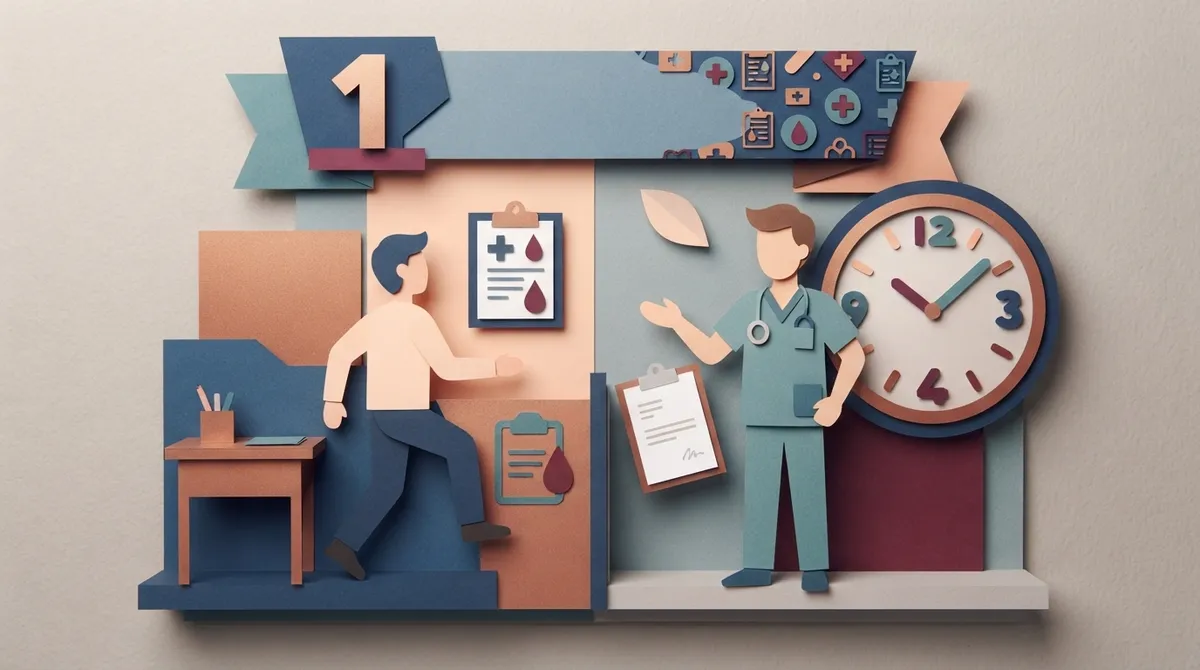
The biggest safety step happens before any needle comes out. A good provider reviews your health history, medications, allergies, and pregnancy status. They also ask about heart and kidney health.
Why does this matter? Extra fluid can strain the heart or kidneys. Some vitamins and minerals are risky at high doses. Certain medicines can interact with additives. If nobody asks you questions, that is a red flag.
If you have heart disease, kidney disease, or a complex condition, talk with your own doctor first. Do not assume a spa drip is safe for you. Personalized advice beats a menu of one-size-fits-all options.
IV therapy is not a facial. It involves a needle in your vein and a drug-grade product. That means it needs licensed clinicians who follow your state’s scope-of-practice and prescribing rules.
The FDA, along with state boards, has warned about some IV hydration clinics, medical spas, and mobile services that cut corners. A 2025 report on a JAMA study found that 32 U.S. states had some form of rule for IV hydration spas. Only seven required specific compounding practices. That shows the rules are uneven, so you have to look closely yourself.
A trustworthy team answers these without fuss. If they dodge, walk away. At Enhanced Aesthetics & Wellness, our IV hydration therapy starts with a conversation, not a rush to the chair.
This one is serious. Sterile preparation is essential. The FDA has warned that some clinics prepare IV products in unclean conditions or fail to meet federal and state rules.
In one FDA-reported case, a 50-year-old woman was hospitalized with suspected septic shock and multi-organ failure after an IV vitamin infusion. Inspectors found serious sanitation problems where the product was made, including expired ingredients. That is rare, but it shows why preparation matters so much.
Many IV vitamin blends are compounded. That means they are mixed to order. Compounded drugs are not FDA-approved, and the FDA does not review them for safety, effectiveness, or quality the way it reviews approved drugs. Rules depend on who compounds the product and where.
A clinic saying “we use a licensed nurse” does not prove a particular drip is approved or beneficial. Ask where the ingredients come from and how they are mixed. A good provider will explain this clearly.
Even with perfect products, putting a line in a vein carries small risks. Knowing them helps you spot trouble early.
| Possible Risk | What It Looks Like | How Common |
|---|---|---|
| Bruising or bleeding | Discolored skin or swelling at the site | Common, usually mild |
| Phlebitis | Red, tender, warm vein | Occasional |
| Infiltration | Fluid leaks into tissue, causing swelling and pain | Occasional |
| Infection | Redness, fever, chills, worsening pain | Uncommon, can be serious |
| Allergic reaction | Rash, itching, swelling, trouble breathing | Rare, can be severe |
| Fluid or electrolyte imbalance | Swelling, weakness, confusion | More likely with heart or kidney disease |
Repeated infusions may also irritate or damage veins over time. In rare cases, infection can spread to the bloodstream and become sepsis.
This mistake is about expectations, and it affects safety. A 2023 review, summarized by the Center for Science in the Public Interest, found no high-quality evidence supporting IV vitamin therapy for people without a severe deficiency, critical illness, or an absorption problem.
So what can a drip do? It may help when you are truly dehydrated or cannot keep fluids down. For energy, immunity, hangovers, or skin, the proof is thinner. Many people say they feel better, and that is real to them. But a drip is not a substitute for finding out why you feel tired or run down.
If you feel unwell often, see a doctor. A drip should never delay care for an underlying problem. If you want to dig deeper into this topic, our guide on IV drip vs. oral supplements breaks down when each option makes sense.
Before treatment, a good clinician explains the expected benefits, the risks, and the alternatives. You should know what is in your bag and why. You should also sign consent that you actually understand.
Often, drinking water or an oral rehydration drink works just as well for mild dehydration. A responsible provider will tell you that honestly instead of upselling you. That kind of honesty is a great sign.
Even careful care can sometimes lead to a reaction. Knowing the warning signs lets you act fast. Seek urgent medical care if you notice any of these after an infusion:
Also ask your provider what their emergency plan is. A clinic should be ready to recognize and respond to adverse reactions. That readiness is part of real safety, not an extra.
Some people need individualized advice before any IV treatment. If you fall into one of these groups, check with your own doctor first:
This applies whether you are a 28-year-old wellness enthusiast or a 55-year-old professional with a packed calendar. Age and lifestyle do not cancel out medical risk.
So what does a careful, safe visit feel like? You are greeted, asked detailed health questions, and given a clear explanation. A licensed clinician places the IV using clean technique. Your ingredients are sourced through legitimate channels and prepared in a sterile way. You are monitored during the drip, and you leave with aftercare advice.
That is the standard we hold ourselves to at Enhanced Aesthetics & Wellness in Pahrump, Nevada. Our Myers Cocktail starts at $150, with add-ons like glutathione, biotin, and zinc if they suit you. If you are curious about that blend, read how to use a Myers Cocktail to boost your glow and wellness.
You may also like our tips on IV hydration mistakes to avoid for faster recovery in Pahrump, especially if you live in our dry desert climate. For general wellness background, the FDA’s overview of human drug compounding explains how compounded products are regulated.
Before you book any IV treatment, run through this simple list:
IV hydration can be a safe and helpful treatment when it is done with care. The key is choosing a team that screens you, sources products properly, keeps things sterile, and tells you the truth about what a drip can and cannot do. Avoid the six mistakes above, and you will be far ahead of the crowd.
If you are in Pahrump and want a calm, honest conversation about whether IV hydration fits your goals, we would love to help. Contact us with your questions, or book an appointment to meet our team. You can also visit us on Google — Enhanced Aesthetics & Wellness to see what our clients say. Your safety always comes first, and your questions are always welcome.
Q: Is IV hydration safe for healthy adults?
A: It can be, when a qualified clinician screens you and prepares the infusion in a sterile way. Still, the proof of benefit for healthy people is limited, and risks like bruising, vein irritation, and infection are real. Always talk with your own doctor if you have any health concerns.
Q: Are IV vitamin drips FDA-approved?
A: Many IV vitamin blends are compounded, which means they are mixed to order and are not FDA-approved. The FDA does not review them for safety, effectiveness, or quality the way it does approved drugs. Ask your provider where the ingredients come from and how they are prepared.
Q: Who should avoid IV hydration?
A: People with heart disease, kidney disease, or complex medical conditions should get personal medical advice first. Pregnant women and anyone with a history of severe allergic reactions should also check with their doctor. A good provider will screen for these before treatment.
Q: Can IV hydration cause infection or sepsis?
A: Yes, though it is uncommon. Any IV can introduce germs if it is not done with clean technique or sterile products, and in rare cases an infection can reach the bloodstream. Seek urgent care for fever, chills, or fast-worsening redness or pain after an infusion.
Q: What should I ask a medical spa before getting an IV infusion?
A: Ask who places the IV, whether a clinician reviews your health history, where the ingredients come from, and what their plan is for a bad reaction. Also ask for a clear list of what is in your bag. Honest, simple answers are a great sign.
Discover how to find the best CO2 laser treatment near you with this comprehensive guide covering everything from provider selection to recovery and results.

Kybella injections in Pahrump (double chin treatment) permanently reduce double chin fat for a defined jawline. Book your consultation today!
