
How to Choose the Right Dermal Filler for Your Skin Goals
Discover how to select the perfect dermal filler for your unique skin goals with this comprehensive guide to types, benefits, and what to expect in 2025.


People with severe dehydration, ongoing vomiting or diarrhea, poor fluid absorption, or urgent fluid needs may medically require IV fluids, and a clinician should decide the type and amount.
Seek urgent care if you cannot keep fluids down or feel dizzy, confused, or faint, rather than relying on a wellness drip.
Mild dehydration usually improves with water or an oral rehydration solution, so healthy adults who can drink typically don't need an IV.
Research does not show elective IV drips improve energy, immunity, or skin appearance in healthy people; expect hydration and relaxation, not a miracle.
People with heart disease, kidney disease, or pregnancy should consult their doctor before any elective infusion because extra fluid can be hazardous.
A responsible clinic should review your medical history, medications, and allergies, and explain risks before any elective IV drip.
You have probably seen the glowing posts. Someone relaxes in a comfy chair, a bag of fluids hangs nearby, and the caption promises more energy and brighter skin. It looks soothing, and it makes many of us wonder: who needs IV hydration, and is it right for me?
Here is the honest answer. Some people truly need IV fluids for medical reasons. Many others simply enjoy them as a wellness treat. And a lot of people would do just as well with a glass of water and a good night of sleep.
At Enhanced Aesthetics & Wellness in Pahrump, Nevada, we believe you deserve clear facts, not hype. In this guide, we will walk through who may truly benefit, who should skip it, what the research says, and how to stay safe. Let’s dig in together!

IV hydration means fluids go straight into a vein through a small catheter. The bag may hold saline, electrolytes, vitamins, or a blend. Because it skips the stomach, fluids reach your bloodstream right away.
That sounds powerful, and in the right setting, it is. In medical care, IV fluids are used when a person cannot get enough fluid or salts by mouth. A trained clinician decides the fluid type and the amount.
In a med spa, IV hydration is usually an elective wellness service. It is not the same as hospital care. Knowing that difference helps you set realistic goals. You can learn more about our approach on our IV hydration therapy page.

Let’s start with true medical need. Doctors turn to IV fluids when drinking is not enough or not safe. The question of who needs IV hydration in this sense usually involves one of these situations:
These cases call for a medical evaluation, not a spa menu. Severe dehydration can be a real emergency. If you cannot keep fluids down, feel very dizzy, or feel confused, seek urgent care right away.
Please do not self-treat if you notice any of these:
These signs point to something that may need testing and hospital-level care. A drip at a wellness clinic is not the right first step.
Great news for most of us: yes. Mild dehydration is usually managed by drinking fluids. If you have also lost salts from sweating or a stomach bug, an oral rehydration solution can help.
IV hydration is not automatically better or faster in a way that makes it necessary for healthy people. If you can drink and absorb fluids, your body does a fine job on its own.
Living in the Mojave Desert makes this topic extra real. Our dry heat can sneak up on you. Our guide on living well in the desert without wrecking your skin shares everyday habits that keep you hydrated.
Now for the part many of our clients ask about. Some healthy adults choose an elective drip for comfort and routine. Here are common reasons people give:
Here is where we keep it real. Research on elective drips is limited. A 2025 review of IV vitamin therapy found that evidence for wellness benefits in healthy people is limited. Claims about better energy, immunity, or skin health are not backed by large, high-quality trials.
That does not mean you cannot enjoy a drip. It means you should expect a calm, hydrating experience rather than a miracle. If you are curious about hangover support, read 5 Reasons IV Hydration for Hangover Recovery Actually Works for a balanced look.
Since we are a medical aesthetics practice, skin questions come up daily. Does a drip make skin plump and dewy? Honestly, the evidence does not show that elective IV drips improve skin appearance in healthy people.
Your skin looks its best when your whole routine supports it. That means steady hydration, sun protection, good sleep, and proven treatments. A drip may help you feel refreshed, but it is not a substitute for skin care that has solid research behind it.
If glowing skin is your main goal, consider options built for that purpose, such as SkinPen Microneedling or a gentle CoolPeel® Treatment. We are happy to help you build a plan that fits your skin and your budget.
IV treatment is invasive, and it carries real risks. These can include pain, bruising, vein irritation, fluid leaking into the tissue, infection, and allergic reactions. Too much fluid can also cause trouble.
Some people need extra caution and a medical conversation first:
Extra fluid can be especially hazardous for people with heart or kidney conditions. If that is you, talk with your own doctor before booking any elective infusion.
| Factor | Medically Needed IV Fluids | Elective Wellness IV Hydration |
|---|---|---|
| Main purpose | Treat significant dehydration or fluid loss | Comfort, routine, and self-care |
| Typical setting | Hospital, urgent care, or clinical care | Med spa or wellness clinic |
| Who decides | Clinician based on symptoms and exam | Client choice after screening |
| Evidence | Well established for true fluid needs | Limited for healthy people |
| Best for | Cannot drink or absorb enough fluids | Healthy adults who can already drink fluids |
Here is something that surprised us. A 2025 report on a study in JAMA Internal Medicine found that more than 85% of the clinics assessed recommended specific IV cocktails for things like fatigue or colds without asking about medical history first. About one in four required a medical consultation, and fewer than one in four warned about side effects. Those numbers describe the study’s sample, not every clinic, but they highlight why careful screening matters.
A responsible clinic should always take the time to understand you. Before any elective drip, a good provider should:
If a clinic skips these steps, that is a red flag. We share more tips in IV Hydration Mistakes to Avoid for Faster Recovery in Pahrump.
This is a favorite question. The honest answer is that the evidence does not show IV vitamins give better cosmetic results than oral intake for healthy people. If your gut absorbs nutrients well, pills and food often do the job.
IV delivery may make sense for people with true absorption problems, but that is a medical call, not a spa one. For a side-by-side look, check out IV Drip vs. Oral Supplements: Which One Actually Works?
Think of it this way: a drip is a choice, not a requirement. If persistent tiredness has you reaching for one, please pause. Ongoing fatigue, dizziness, or vomiting deserves a proper check-up, not just a menu pick.
Use this simple checklist before you book:
If you are a healthy adult and you want an elective drip, we are glad to talk it through. Our Myers Cocktail starts at $150, with add-ons such as glutathione, biotin, and zinc. We will review your history, explain what a drip can and cannot do, and help you decide with confidence.
Curious about the classic blend? Read How to Use a Myers Cocktail to Boost Your Glow and Wellness. And if you want to see what our clients say, visit us on Google — Enhanced Aesthetics & Wellness and read their stories.
For general guidance on dehydration and its warning signs, the StatPearls overview of adult dehydration is a clear, trusted resource. You can also follow our tips and updates on our Instagram and learn about hormone and wellness support through Biote.
So, who needs IV hydration? People with significant dehydration, heavy fluid loss, or trouble keeping fluids down may need it medically. Everyone else can treat it as an optional comfort, not a must-have.
If you are healthy and simply curious, a drip can be a relaxing ritual. Just go in with clear eyes, honest expectations, and a provider who puts your safety first. That is how we do things here in Pahrump.
Ready to talk through your options? Contact us with your questions, or book an appointment and let our team help you choose what truly fits you. We would love to meet you!
Q: Who medically needs IV hydration instead of drinking fluids?
A: People with severe dehydration, ongoing vomiting or diarrhea, poor fluid absorption, or conditions that call for fast fluid replacement may need IV fluids. A clinician should decide the type and amount. If you cannot keep fluids down or feel confused or faint, please seek urgent medical care.
Q: Can IV hydration help if I am only mildly dehydrated?
A: Mild dehydration usually improves with plain water or an oral rehydration solution, especially if you have lost salts. An IV is not automatically faster in a way that makes it necessary for healthy people who can drink. It can still be a relaxing choice if you want one.
Q: Does IV hydration improve skin hydration or appearance?
A: Current evidence does not show that elective IV drips improve skin in healthy people. Skin does best with daily hydration, sun care, and proven treatments. A drip may leave you feeling refreshed, but it should not replace a solid skin care plan.
Q: Is IV hydration safe for people with heart or kidney disease?
A: Extra fluid can be risky for people with heart or kidney conditions, so please talk with your own doctor first. Pregnancy and complex medical histories also call for individualized advice. A careful clinic will screen you before any elective infusion.
Q: What are the risks and side effects of IV hydration?
A: Possible risks include pain, bruising, vein inflammation, fluid leaking into nearby tissue, infection, allergic reactions, and fluid or electrolyte problems. These are uncommon with proper screening and sterile technique, but they are real. That is why a thorough health review matters before every drip.
Discover how to select the perfect dermal filler for your unique skin goals with this comprehensive guide to types, benefits, and what to expect in 2025.
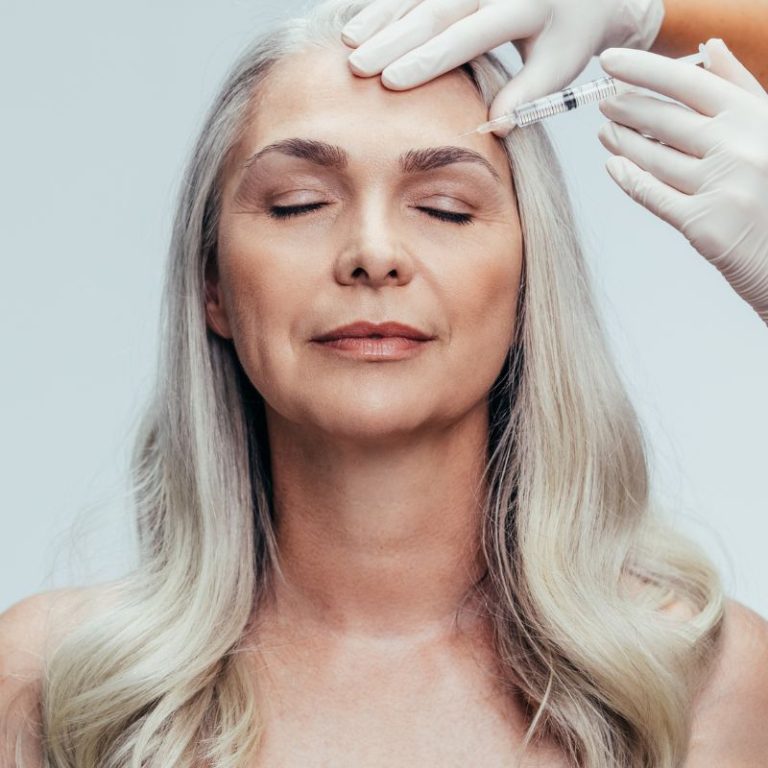
Safe and effective Botox for wrinkles near me in Pahrump. Smooth lines, look younger, and book your consultation today!
