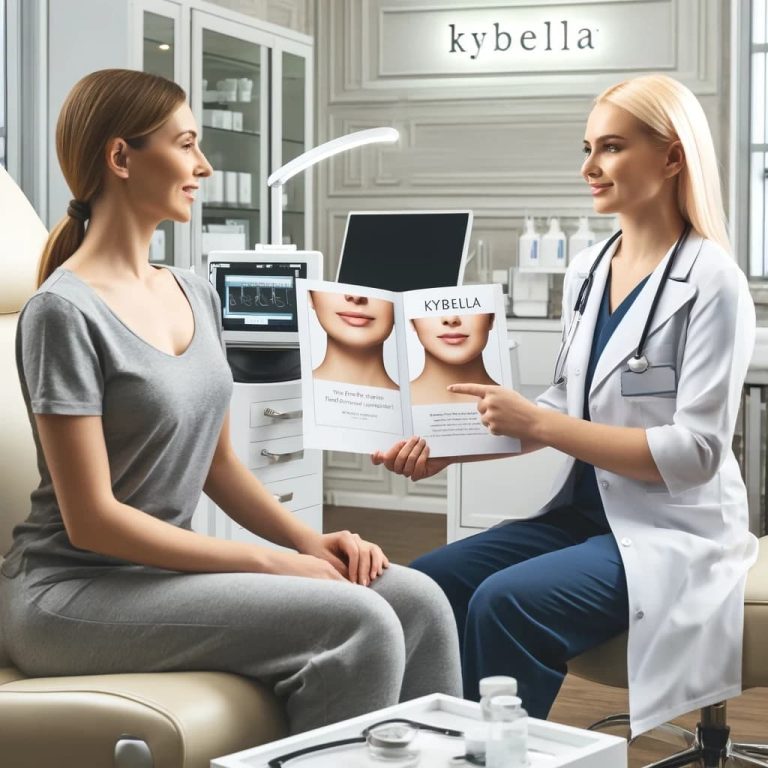
What does a Kybella Treatment Cost at Enhanced Aesthetics & Wellness
Discover how Kybella works to enhance your profile and how much Kybella Treatments Cost at Enhanced Aesthetics & Wellness.


Laser therapy offers targeted psoriasis relief by reducing inflammation and slowing cell turnover with minimal downtime and precise treatment.
Microneedling with PRP can improve medication absorption by up to 300% and help normalize the immune response in psoriatic skin.
Radiofrequency treatments like Morpheus8 penetrate deep into skin layers to reduce inflammation and remodel tissue from within.
Gentle chemical peels can remove scaly buildup and promote healthier skin cell turnover when performed by experienced professionals.
Bioidentical hormone therapy can help manage psoriasis by addressing underlying hormonal imbalances that contribute to inflammation and flare-ups.
If you’ve been living with psoriasis, you know how frustrating those red, scaly patches can be. They’re not just uncomfortable—they affect your confidence and quality of life. The good news? Modern medical aesthetics offers several gentle, non-invasive treatments that can help manage psoriasis symptoms and improve your skin’s appearance.
While psoriasis requires medical management, many med spa treatments complement traditional care beautifully. These advanced aesthetic procedures can reduce inflammation, calm irritated skin, and help you feel more comfortable in your own body. Let’s explore how medical aesthetic treatments in 2026 are changing the game for psoriasis sufferers in Pahrump, Nevada and beyond.
At Enhanced Aesthetics & Wellness, we understand that psoriasis isn’t just a skin condition—it’s a journey that affects every aspect of your life. That’s why we’ve dedicated ourselves to providing cutting-edge treatments that work alongside your dermatologist’s care plan to give you the clear, healthy-looking skin you deserve.

Psoriasis is an autoimmune condition that speeds up your skin cell production cycle. Instead of shedding gradually over weeks, cells pile up on the surface, creating those telltale thick, scaly patches. These plaques can be itchy, painful, and seriously impact your self-esteem.
Traditional treatments include topical creams, light therapy, and systemic medications. But here’s where medical aesthetics comes in: many advanced aesthetic technologies originally designed for anti-aging and skin rejuvenation have proven remarkably effective at calming inflamed psoriatic skin.
The beauty of medical aesthetic treatments for psoriasis is that they’re non-invasive, have minimal downtime, and focus on improving both the health and appearance of your skin. You’re not just treating symptoms—you’re investing in your skin’s overall wellness.
Before starting any treatment, you should always consult with both your dermatologist and an experienced medical aesthetic professional. This team approach ensures you get comprehensive care tailored to your unique needs.

Laser treatments have revolutionized how we approach psoriasis management in medical aesthetics. These precise technologies can target affected areas without damaging surrounding healthy skin, making them incredibly effective for stubborn plaques.
The Sciton Joule BBL Treatment uses broad-spectrum light to reduce inflammation and slow down the rapid cell turnover that characterizes psoriasis. Many patients notice reduced redness and flaking after just a few sessions.
Another powerful option is the DEKA Treatment, which combines multiple wavelengths to address different aspects of psoriatic skin. It can reduce thickness, calm inflammation, and even improve skin texture in treated areas.
Most laser sessions take 15-30 minutes, depending on the size of the treatment area. You might feel a slight warming sensation, but modern systems include cooling technology to keep you comfortable throughout the procedure.
Results typically become visible after 3-5 treatments spaced several weeks apart. Your skin may look slightly pink immediately after treatment, but this usually fades within a few hours. There’s no downtime, so you can return to your normal activities right away.
| Laser Treatment Type | Best For | Typical Sessions Needed | Benefits for Psoriasis |
|---|---|---|---|
| BBL Treatment | Widespread plaques | 4-6 sessions | Reduces redness and inflammation |
| DEKA Treatment | Thick, stubborn patches | 5-8 sessions | Decreases plaque thickness |
| CoolPeel Treatment | Scalp and delicate areas | 3-5 sessions | Gentle resurfacing without heat damage |
Microneedling might sound intimidating, but it’s actually one of the gentlest ways to encourage your skin to heal itself. When combined with platelet-rich plasma (PRP), it becomes a powerhouse treatment for psoriatic skin.
SkinPen Microneedling creates tiny channels in your skin that trigger your body’s natural healing response. This controlled micro-injury helps reduce inflammation and promotes healthier skin cell production.
When you add PRP Therapy to the mix, you’re supercharging the healing process. PRP uses growth factors from your own blood to accelerate tissue repair and reduce inflammation—exactly what psoriatic skin needs.
Research shows that microneedling can improve the absorption of topical medications by up to 300%. For psoriasis patients, this means your prescribed creams and ointments work more effectively when applied after treatment.
The combination of microneedling and PRP also helps normalize the overactive immune response in psoriatic skin. Many patients report softer, smoother skin with reduced scaling after a series of treatments.
Radiofrequency (RF) technology uses controlled heat energy to penetrate deep into your skin layers, promoting collagen production and reducing inflammation from within. This makes it particularly effective for psoriasis that hasn’t responded well to surface treatments.
Morpheus8 is a game-changing RF microneedling device that combines the benefits of both technologies. It delivers radiofrequency energy deep into the skin through tiny needles, creating a powerful healing response that can dramatically improve psoriatic plaques.
What makes RF treatments special for psoriasis is their ability to remodel skin from the inside out. You’re not just treating the visible symptoms—you’re addressing the underlying tissue dysfunction that contributes to plaque formation.
Chemical peels might seem counterintuitive for sensitive psoriatic skin, but when done correctly by experienced professionals, they can be incredibly beneficial. The key is choosing the right type and strength for your specific condition.
Gentle peels help remove the thick, scaly buildup that characterizes psoriasis while promoting healthier skin cell turnover. The Nanolaser Peel offers ultra-gentle exfoliation that’s perfect for reactive psoriatic skin.
For slightly more aggressive treatment, the Microlaser Peel provides deeper exfoliation while still remaining safe for compromised skin barriers. These treatments can significantly reduce scaling and improve skin texture.
Light therapy has been used for decades to treat psoriasis, and modern medical aesthetic devices have taken this approach to new heights. These treatments use specific wavelengths of light to slow down excessive skin cell production and reduce inflammation.
The CoolPeel® Treatment represents the latest evolution in light-based therapy. Unlike traditional CO2 lasers that can be too aggressive for psoriatic skin, CoolPeel delivers powerful results without excess heat, making it safer and more comfortable for sensitive skin.
Regular light therapy sessions can help keep psoriasis in remission longer and reduce the severity of flare-ups when they do occur. Many patients find that consistent treatments allow them to reduce their reliance on topical medications.
Here’s something many people don’t realize: hormones play a significant role in psoriasis management. Hormonal imbalances can trigger flare-ups, worsen inflammation, and slow down your skin’s healing process.
Bio-Identical Hormone Therapy Bioidentical Hormone Replacement Therapy can help address the underlying hormonal factors that contribute to psoriasis. When your hormones are balanced, your immune system functions more effectively, potentially reducing the frequency and severity of psoriasis flare-ups.
This is especially important for women going through menopause or experiencing hormonal fluctuations. Many patients report that their psoriasis becomes more manageable once their hormone levels are optimized.
Supporting your hormonal health with Bio-Identical Hormone Therapy Neutraceuticals can further enhance treatment outcomes by providing your body with the nutrients it needs for optimal skin function.
The most effective psoriasis management strategy usually involves combining multiple treatments. This multi-faceted approach addresses different aspects of the condition simultaneously, giving you faster and more lasting results.
A typical combination protocol might include laser treatments to reduce inflammation, microneedling with PRP to promote healing, and hormone therapy to address systemic factors. Your medical aesthetic professional will create a customized treatment plan based on your specific needs and goals.
| Treatment Combination | Timeline | Expected Results | Maintenance Frequency |
|---|---|---|---|
| Laser + PRP | 8-12 weeks | 50-70% plaque reduction | Monthly |
| Morpheus8 + Chemical Peel | 12-16 weeks | Smoother texture, less scaling | Every 6-8 weeks |
| BBL + Hormone Therapy | 3-6 months | Reduced flare frequency | Quarterly laser, ongoing hormones |
While medical aesthetic treatments are powerful tools for managing psoriasis, they work best when combined with healthy lifestyle habits. What you do between treatments matters just as much as the treatments themselves.
Staying hydrated is crucial for skin health. Aim for at least eight glasses of water daily to help your skin maintain its moisture barrier and heal more effectively. Your skin cells need adequate hydration to function properly and respond to treatments.
Stress management is another critical factor. Since stress is a major psoriasis trigger, incorporating relaxation techniques like meditation, yoga, or deep breathing exercises can help reduce flare-ups and improve treatment outcomes.
The best results come from collaboration between your dermatologist and medical aesthetic provider. Your dermatologist manages the medical aspects of your psoriasis, while your aesthetic professional focuses on improving skin appearance and function through advanced technologies.
Before starting any aesthetic treatments, share your complete medical history, including all medications and treatments you’re currently using. Some psoriasis medications can make your skin more sensitive to certain procedures, so full disclosure is essential for your safety and results.
Regular follow-ups help track your progress and adjust treatments as needed. Psoriasis is a dynamic condition that changes over time, so your treatment protocol should evolve with your needs. Don’t hesitate to communicate openly about what’s working and what isn’t.
Investing in medical aesthetic treatments for psoriasis requires both financial and time commitments. While costs vary depending on treatment type and frequency, most patients find the improvement in their quality of life well worth the investment.
Individual treatment sessions typically range from $150 to $800, depending on the technology used and treatment area size. Package deals for multiple sessions often provide better value and are recommended for optimal results.
Insurance generally doesn’t cover aesthetic treatments for psoriasis, as they’re considered cosmetic rather than medically necessary. However, some flexible spending accounts (FSAs) or health savings accounts (HSAs) may cover certain procedures—check with your plan administrator.
Managing expectations is crucial when treating psoriasis with medical aesthetic procedures. While many patients experience significant improvement, results vary based on psoriasis severity, treatment consistency, and individual response.
Most people notice initial improvements within 4-6 weeks of starting treatment, with continued progress over several months. The key is consistency—skipping treatments or not following post-care instructions can slow your progress considerably.
Check out our before & after gallery to see real transformations from patients who’ve undergone various skin treatments. While individual results vary, these images show what’s possible with dedicated care and the right treatment plan.
Remember that psoriasis is a chronic condition, so the goal isn’t necessarily complete elimination but rather effective management that allows you to live comfortably and confidently.
Living with psoriasis doesn’t mean you have to accept uncomfortable, unsightly plaques as a permanent part of your life. Medical aesthetic treatments offer safe, effective options to complement your existing care plan and help you achieve the clear, comfortable skin you deserve.
The advanced technologies available in 2026 are more sophisticated than ever, offering targeted solutions with minimal downtime and impressive results. Whether you’re dealing with mild plaques or more extensive coverage, there’s a treatment protocol that can help.
At Enhanced Aesthetics & Wellness in Pahrump, Nevada, we specialize in creating personalized treatment plans that address your unique skin concerns. Our experienced team understands the physical and emotional challenges of living with psoriasis, and we’re committed to helping you find relief and renewed confidence.
Don’t let psoriasis control your life any longer. Modern medical aesthetics offers real solutions that can make a meaningful difference in how your skin looks and feels. With the right combination of treatments, professional guidance, and consistent care, you can manage your psoriasis effectively and enjoy clearer, healthier skin.
We encourage you to explore these treatment options and discover which ones might work best for your specific situation. Check out what our satisfied patients are saying—visit us on Google to read reviews and see why so many people trust us with their skin care needs.
Ready to start your journey toward clearer, more comfortable skin? Schedule your consultation today and let’s create a customized treatment plan that addresses your psoriasis concerns while enhancing your natural beauty. Your best skin is waiting—let’s help you achieve it together.
Q: Can medical aesthetic treatments cure my psoriasis?
A: While aesthetic treatments can significantly improve psoriasis symptoms and appearance, they don’t cure the condition. Psoriasis is a chronic autoimmune disorder that requires ongoing management. However, treatments like laser therapy, microneedling, and RF treatments can reduce inflammation, minimize plaques, and extend the time between flare-ups when used consistently alongside your dermatologist’s prescribed care.
Q: How long does it take to see results from med spa psoriasis treatments?
A: Most patients notice initial improvements within 4-6 weeks of starting treatment, with continued progress over several months. The timeline varies based on psoriasis severity, treatment type, and consistency. Laser treatments typically require 4-6 sessions for optimal results, while microneedling with PRP may show benefits after 3-4 treatments. Remember, consistent treatment and proper aftercare are key to achieving and maintaining results.
Q: Are medical aesthetic treatments safe for sensitive psoriatic skin?
A: Yes, when performed by experienced professionals, modern aesthetic treatments are safe for psoriatic skin. Technologies like CoolPeel, NanoLaser, and BBL are specifically designed to treat compromised skin gently. Your provider will assess your skin condition, avoid treating actively inflamed areas, and adjust treatment settings to ensure safety and comfort. Always disclose your complete medical history and current psoriasis treatments before beginning any aesthetic procedures.
Q: Can I get aesthetic treatments during a psoriasis flare-up?
A: It’s generally best to wait until active inflammation subsides before undergoing most aesthetic treatments. Treating severely inflamed or broken skin can worsen irritation and delay healing. However, some gentle treatments like certain light therapies may actually help calm flare-ups. Your medical aesthetic provider will evaluate your skin condition and determine the safest timing for treatments based on your current psoriasis activity.
Q: Will I need to stop my psoriasis medications before aesthetic treatments?
A: Not necessarily, but communication is essential. Some psoriasis medications, particularly photosensitizing drugs or biologics, may affect how your skin responds to certain treatments. Always inform both your dermatologist and aesthetic provider about all medications you’re taking. They’ll work together to determine if any adjustments are needed or if certain treatments should be avoided to ensure your safety and optimal results.
Discover how Kybella works to enhance your profile and how much Kybella Treatments Cost at Enhanced Aesthetics & Wellness.
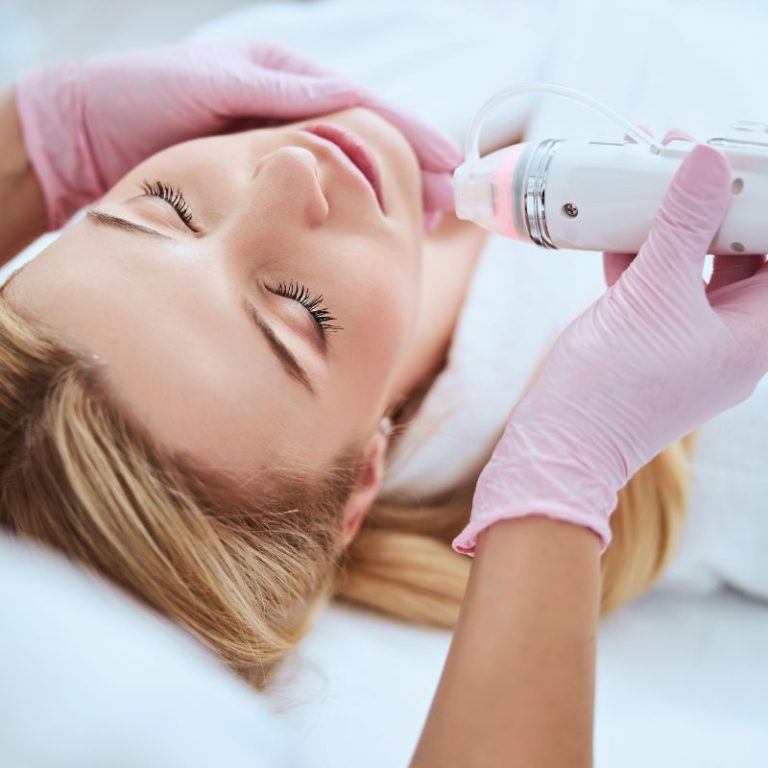
Discover the top skin tightening treatments in Pahrump, NV. Restore youthful skin safely with Enhanced Aesthetics & Wellness.
