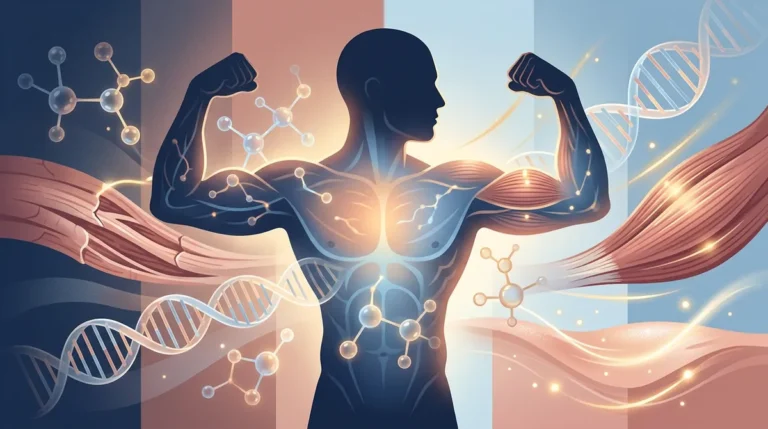
How Peptides Support Muscle Recovery and Performance
Discover how peptide therapy supports muscle recovery and performance in medical aesthetics — and how personalized protocols help you feel your strongest.


PRP Therapy uses your own blood plasma to stimulate skin regeneration and reduce eczema inflammation with minimal side effects.
Microneedling can strengthen skin barrier function and improve absorption of healing serums for eczema-prone skin.
Comprehensive eczema treatment requires personalized approaches that combine multiple medical aesthetic technologies targeting inflammation.
Laser treatments like BBL can reduce skin redness, calm inflammation, and improve overall skin tone for eczema patients.
Identifying personal eczema triggers and integrating medical aesthetic treatments with proper daily skincare is crucial for long-term management.
Are you tired of dealing with red, itchy, and inflamed skin? Do you find yourself hiding affected areas or feeling self-conscious about visible eczema patches? You’re not alone. Millions of people struggle with eczema, a chronic skin condition that can significantly impact confidence and quality of life. The good news is that modern medical aesthetic treatments offer innovative solutions that go beyond traditional creams and medications.
In today’s world, medical aesthetics has evolved to address not just cosmetic concerns, but also challenging skin conditions like eczema. Whether you’re dealing with occasional flare-ups or persistent inflammation, understanding your treatment options can help you achieve clearer, healthier, and more comfortable skin. At Enhanced Aesthetics & Wellness in Pahrump, Nevada, we understand that eczema treatment requires a personalized approach that combines cutting-edge technology with compassionate care. Let’s explore how medical aesthetic treatments can transform your skin and restore your confidence in 2026.

Eczema, also known as atopic dermatitis, is a chronic inflammatory skin condition that causes patches of skin to become red, itchy, dry, and rough. While it can affect anyone at any age, it’s particularly common among children and often continues into adulthood. The condition occurs when the skin’s natural barrier becomes compromised, allowing moisture to escape and irritants to penetrate more easily.
Many people with eczema experience cycles of flare-ups and remission. Triggers can vary widely from person to person and may include stress, certain foods, environmental allergens, harsh soaps, dry weather, and even hormonal changes. Understanding your personal triggers is the first step toward effective management.
The emotional toll of eczema shouldn’t be underestimated. Visible patches on the face, hands, or arms can affect self-esteem and social interactions. The constant itching can disrupt sleep and daily activities. That’s why comprehensive treatment that addresses both the physical symptoms and aesthetic concerns is so important.
Recognizing eczema symptoms early can help you seek treatment before the condition worsens. Here are the most common signs:

Traditional eczema treatment typically focuses on topical steroids, moisturizers, and antihistamines. While these can provide temporary relief, they don’t always address the underlying skin damage or improve the skin’s overall health and appearance. Medical aesthetic treatments take a more comprehensive approach by targeting inflammation, strengthening the skin barrier, and promoting regeneration at a cellular level.
The beauty of medical aesthetic solutions is that they can complement your existing treatment plan. Rather than replacing your dermatologist’s recommendations, these advanced therapies enhance results by improving skin texture, reducing scarring from chronic scratching, and helping restore the skin’s natural protective functions.
In 2026, we’re fortunate to have access to technologies that were once available only in research settings. These treatments use your body’s own healing mechanisms to repair damaged tissue, reduce inflammation, and create lasting improvements in skin health. The results are not just cosmetic—they’re therapeutic.
At its core, eczema is an inflammatory condition. When your immune system overreacts to certain triggers, it causes inflammation in the skin. This inflammation leads to the characteristic redness, swelling, and itching. Breaking this inflammatory cycle is crucial for long-term management.
Medical aesthetic treatments like PRP Therapy work by introducing growth factors that calm inflammation and promote healing. Unlike topical treatments that only address surface symptoms, these therapies work from within to create lasting change.
Let’s explore the most effective medical aesthetic treatments for managing eczema and improving skin health. Each of these approaches offers unique benefits and can be customized to your specific needs and skin type.
PRP Therapy has emerged as a powerful tool for treating inflammatory skin conditions like eczema. This treatment uses your own blood plasma, which is rich in growth factors and healing proteins, to stimulate skin regeneration and reduce inflammation. The process begins with a simple blood draw, similar to a routine lab test. The blood is then processed in a centrifuge to concentrate the platelets and growth factors.
Once prepared, the PRP is applied to affected areas or injected into the skin, depending on the severity and location of your eczema. The growth factors in PRP help repair the skin’s barrier function, reduce inflammation, and promote the production of healthy new skin cells. Many patients notice improvements in skin texture, reduced redness, and decreased itching within a few weeks.
The treatment is particularly effective for people who haven’t responded well to traditional therapies or who want to avoid long-term steroid use. Since PRP comes from your own body, there’s virtually no risk of allergic reaction or rejection. Treatment sessions typically last 30-45 minutes, and most people benefit from a series of 3-4 treatments spaced several weeks apart.
While it might seem counterintuitive to create tiny punctures in already sensitive skin, SkinPen Microneedling can actually help eczema-prone skin heal and strengthen. The controlled micro-injuries trigger your skin’s natural healing response, promoting collagen production and improving the skin’s barrier function.
When combined with PRP or specialized serums, microneedling allows these healing ingredients to penetrate deeper into the skin where they can be most effective. This combination therapy addresses both the immediate symptoms of eczema and the underlying skin weakness that makes you susceptible to flare-ups.
For eczema patients, the treatment protocol is gentler than standard cosmetic microneedling. The depth and intensity are adjusted to minimize discomfort while maximizing healing benefits. Most people describe the sensation as mild tingling rather than pain, and any redness typically resolves within 24-48 hours.
Advanced laser treatments offer targeted solutions for eczema-related concerns. Sciton Joule BBL Treatment uses broadband light therapy to reduce inflammation, minimize redness, and improve overall skin tone. The light energy penetrates the skin to target inflammatory cells while stimulating collagen production.
For patients dealing with post-inflammatory hyperpigmentation or scarring from chronic eczema, treatments like Nanolaser Peel can gently resurface the skin, revealing fresher, more even-toned skin underneath. These treatments are carefully calibrated to avoid triggering flare-ups while delivering visible improvements.
Laser therapy works best as part of a comprehensive treatment plan. Your provider will assess your skin’s current condition and recommend the appropriate laser type and settings for your specific needs. Sessions are typically quick, lasting 15-30 minutes, with minimal downtime.
| Treatment | Primary Benefits | Best For | Typical Sessions |
|---|---|---|---|
| PRP Therapy | Reduces inflammation, strengthens skin barrier, promotes healing | Active flare-ups, chronic eczema | 3-4 treatments |
| Microneedling | Improves absorption of healing serums, strengthens skin structure | Weakened skin barrier, texture concerns | 3-6 treatments |
| BBL Treatment | Reduces redness, calms inflammation, evens skin tone | Facial redness, uneven pigmentation | 2-4 treatments |
| Nanolaser Peel | Gentle resurfacing, improves texture, reduces scarring | Post-inflammatory changes, rough texture | 1-3 treatments |
The most effective approach to eczema management combines multiple strategies tailored to your unique situation. There’s no one-size-fits-all solution, which is why a thorough consultation is essential before beginning treatment. Here’s what to expect when developing your personalized plan.
Your journey begins with a detailed evaluation of your skin condition. During this assessment, your provider will:
This comprehensive approach ensures that your treatment plan addresses not just the eczema itself, but also any related issues like premature aging, scarring, or uneven texture that may have developed over time.
Based on your assessment, your provider will recommend specific treatments and create a timeline for implementation. For many patients, this involves:
Your provider will also discuss realistic expectations, potential side effects, and the time commitment involved. Most comprehensive plans span several months, with treatments spaced to allow proper healing between sessions.
Medical aesthetic treatments work best when combined with proper home care. Your provider will recommend gentle skincare products that support your skin’s healing without triggering sensitivity. This might include fragrance-free moisturizers, gentle cleansers, and targeted serums that complement your in-office treatments.
Lifestyle modifications can also play a significant role in managing eczema. Simple changes like using a humidifier, avoiding hot showers, wearing soft fabrics, and managing stress can reduce the frequency and severity of flare-ups.
Understanding how these treatments work at a cellular level can help you appreciate their effectiveness. Your skin’s outermost layer, the stratum corneum, acts as a protective barrier against environmental irritants, allergens, and moisture loss. In people with eczema, this barrier is compromised, leading to increased water loss and susceptibility to irritants.
Medical aesthetic treatments address this barrier dysfunction in several ways. Growth factors from PRP Therapy signal cells to produce more structural proteins like collagen and elastin, which strengthen the skin. Microneedling stimulates the production of ceramides and other lipids that fill the gaps between skin cells, creating a more effective barrier.
Laser treatments reduce the inflammatory mediators that perpetuate the cycle of itching and scratching. By decreasing inflammation, these therapies allow the skin to focus its energy on repair rather than fighting constant irritation. The result is healthier, more resilient skin that’s better equipped to withstand triggers.
Topical steroids, while effective for short-term symptom relief, can thin the skin and cause other side effects with prolonged use. Moisturizers help with hydration but don’t address the underlying inflammation or barrier dysfunction. Oral medications may have systemic side effects that make long-term use undesirable.
Medical aesthetic treatments offer an alternative that targets the root causes of eczema while promoting natural healing. They’re particularly valuable for people who want to reduce their reliance on medications or who haven’t achieved satisfactory results with conventional approaches.
Setting realistic expectations is crucial for satisfaction with any medical treatment. While everyone’s experience is unique, here’s what most patients can anticipate when pursuing medical aesthetic solutions for eczema.
During the first few weeks, your primary goal is reducing active inflammation and beginning the healing process. You might notice:
Some people experience mild temporary reactions like slight redness or sensitivity immediately after treatments, but these typically resolve quickly. Your provider will give you specific aftercare instructions to optimize healing and minimize any discomfort.
As you continue with your treatment series, the cumulative effects become more apparent:
This is when many patients start noticing comments from friends and family about how healthy their skin looks. The improvements aren’t just cosmetic—you’ll likely feel more comfortable in your own skin and more confident in social situations.
Once you’ve completed your initial treatment series, maintenance sessions help preserve your results. Most people benefit from periodic touch-up treatments every few months, though the exact schedule depends on your individual needs and response to therapy.
Long-term benefits often include significantly longer periods between flare-ups, less severe symptoms when flare-ups do occur, and overall improved skin health. Many patients find they can reduce or eliminate their reliance on daily medications while maintaining clear, comfortable skin.
An often-overlooked factor in eczema management is hormonal balance. Hormones play a crucial role in skin health, and imbalances can trigger or worsen inflammatory skin conditions. Many people notice their eczema flares during times of hormonal fluctuation, such as menstrual cycles, pregnancy, or menopause.
Bio-Identical Hormone Therapy Bioidentical Hormone Replacement Therapy addresses these underlying hormonal factors. By restoring optimal hormone levels, this treatment can reduce inflammation throughout the body, including in the skin. Many patients report improvements in their eczema symptoms as an added benefit of hormone optimization.
The connection between hormones and skin health extends beyond eczema. Balanced hormones support collagen production, skin thickness, and moisture retention—all factors that contribute to a healthy skin barrier. If you’re dealing with eczema along with other symptoms of hormone imbalance, such as fatigue, mood changes, or sleep disturbances, addressing your hormonal health could provide significant relief.
Medical aesthetic treatments provide powerful results, but supporting them with healthy lifestyle choices amplifies their effectiveness. Here are proven strategies that complement your professional care.
What you eat directly affects your skin’s ability to heal and maintain its barrier function. Focus on:
Some people find that certain foods trigger their eczema. Common culprits include dairy, eggs, soy, wheat, and nuts. Consider keeping a food diary to identify potential triggers, and work with a healthcare provider before making significant dietary changes.
Stress is a well-known eczema trigger, as it increases inflammation throughout the body. Incorporating stress-reduction practices into your daily routine can make a noticeable difference:
Managing stress isn’t just good for your eczema—it improves your overall well-being and quality of life. The benefits extend far beyond your skin.
Creating an eczema-friendly environment reduces your exposure to triggers and supports healing:
With so many over-the-counter products and home remedies available, you might wonder why professional treatment is worth the investment. The answer lies in the expertise, advanced technology, and personalized approach that only a medical aesthetic practice can provide.
Professional providers have extensive training in skin anatomy, inflammatory conditions, and the latest treatment technologies. They can accurately assess your condition, identify underlying factors you might not have considered, and create a targeted treatment plan based on clinical evidence.
The technology available in medical aesthetic clinics far surpasses anything you can purchase for home use. Professional-grade lasers, medical-grade PRP preparation, and clinical microneedling devices deliver results that simply aren’t achievable with consumer products. More importantly, these treatments are performed safely, with proper protocols to minimize risks and maximize benefits.
At Enhanced Aesthetics & Wellness, we combine state-of-the-art technology with compassionate, individualized care. We understand that dealing with eczema affects more than just your skin—it impacts your confidence, comfort, and quality of life. Our team is committed to helping you achieve lasting improvements that allow you to feel comfortable and confident in your skin. Visit us on Google to see what our patients are saying about their experiences.
Let’s address some widespread myths that might be holding you back from seeking effective treatment.
While eczema is a chronic condition, that doesn’t mean you have to suffer with constant symptoms. Modern medical aesthetic treatments can dramatically reduce flare-ups, improve skin health, and help you achieve long periods of clear, comfortable skin. Many people who thought they’d struggle with eczema forever have found significant relief through comprehensive treatment approaches.
This couldn’t be further from the truth. Eczema varies greatly from person to person in terms of severity, triggers, and response to treatment. What works for one person might not work for another. That’s why personalized treatment plans are so important. Medical aesthetic providers assess your unique situation and tailor treatments to your specific needs.
One of the most exciting aspects of medical aesthetic approaches to eczema is that they address both therapeutic and cosmetic concerns simultaneously. Treatments that reduce inflammation and strengthen your skin barrier also improve texture, tone, and overall appearance. You don’t have to sacrifice results in one area to achieve them in another.
If you’re ready to break free from the cycle of eczema flare-ups and find lasting relief, the first step is scheduling a consultation with a qualified medical aesthetic provider. During this visit, you’ll discuss your concerns, learn about your options, and develop a personalized plan that aligns with your goals and lifestyle.
Don’t let eczema control your life any longer. The advanced treatments available in 2026 offer real hope for people who’ve struggled with this challenging condition. Whether you’re dealing with occasional flare-ups or persistent symptoms, there are effective solutions that can help you achieve healthier, more comfortable, and more beautiful skin.
At Enhanced Aesthetics & Wellness in Pahrump, Nevada, we’re passionate about helping our patients achieve their best skin health. Our comprehensive approach combines the latest medical aesthetic technologies with personalized care and ongoing support. We understand the frustration of living with eczema, and we’re here to help you find relief. Schedule your consultation today to discover how medical aesthetic treatments can transform your skin and restore your confidence. Your journey to clearer, healthier skin starts now.
Q: Can medical aesthetic treatments really help with eczema, or are they just for cosmetic purposes?
A: Medical aesthetic treatments are incredibly effective for eczema management. Therapies like PRP and microneedling work at a cellular level to reduce inflammation, strengthen the skin barrier, and promote natural healing. While they do improve appearance, their primary benefit for eczema patients is therapeutic—reducing symptoms, preventing flare-ups, and creating lasting improvements in skin health.
Q: How long does it take to see results from medical aesthetic eczema treatments?
A: Many patients notice initial improvements within 1-2 weeks after starting treatment, including reduced itching and inflammation. More significant results, such as improved texture and fewer flare-ups, typically develop over 2-3 months as you complete your treatment series. The timeline varies based on your specific condition and chosen treatments, but most people see progressive improvements throughout their care.
Q: Are medical aesthetic treatments for eczema safe for sensitive skin?
A: Yes, these treatments are specifically designed to be safe for sensitive, reactive skin. Your provider customizes treatment intensity and techniques based on your skin’s current condition and tolerance. The treatments use your body’s own healing mechanisms or gentle, controlled technologies that work with your skin rather than against it. Many patients find these approaches gentler and more effective than harsh topical medications.
Q: Will I still need to use my eczema medications after starting medical aesthetic treatments?
A: Medical aesthetic treatments can often reduce your reliance on medications over time, but you should work closely with your healthcare providers to make any changes to your current regimen. Many patients gradually decrease their medication use as their skin improves, while others use these treatments to complement their existing care. Your provider will help you develop a plan that safely transitions you toward less medication dependence if appropriate.
Q: What’s the difference between treating eczema at a medical spa versus seeing a dermatologist?
A: Medical aesthetic providers offer advanced, technology-based treatments that complement traditional dermatological care. While dermatologists focus primarily on medication management and diagnosis, medical spas provide hands-on therapies like PRP, microneedling, and laser treatments that actively repair and strengthen your skin. The ideal approach often involves both—your dermatologist for medical management and a medical spa for regenerative treatments that enhance results.
Discover how peptide therapy supports muscle recovery and performance in medical aesthetics — and how personalized protocols help you feel your strongest.
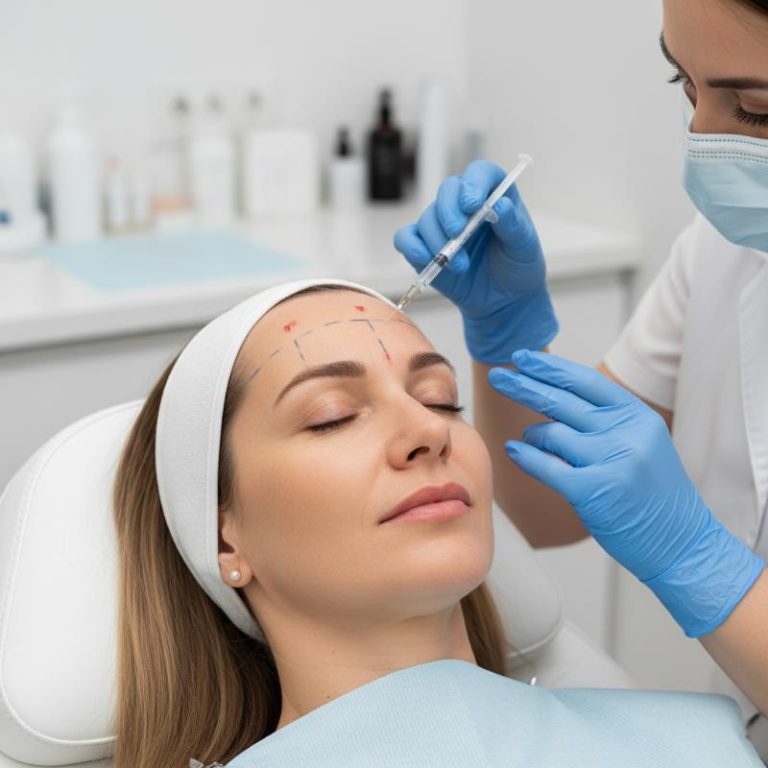
Smooth forehead lines fast with Botox for forehead wrinkles at Enhanced Aesthetics & Wellness in Pahrump, Nevada.
