
AHAs and BHAs: Choosing the Right Acid for Your Skin
Enhance your skincare routine with AHAs and BHAs. Trust Enhanced Aesthetics & Wellness for safe, effective treatments.

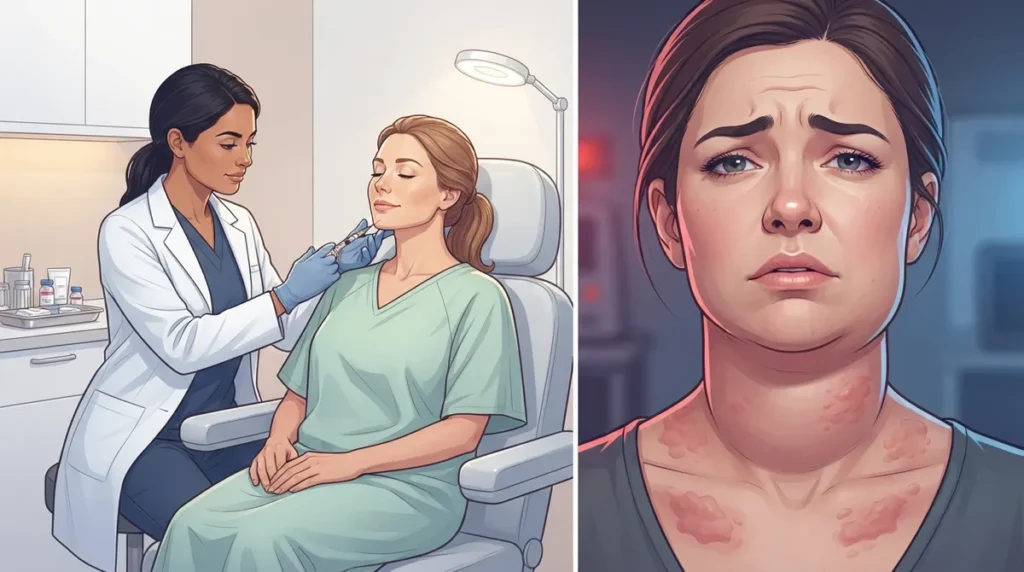
Call 911 immediately if you experience breathing difficulty, throat/tongue swelling, fainting, or signs of severe allergic reaction like hives with dizziness after Kybella injections.
Swelling, bruising, numbness, and pain are normal after Kybella and occur in 87%, 72%, 66%, and 70% of patients respectively; these typically resolve within 1-2 weeks.
Contact your provider same-day for facial weakness, uneven smile, rapidly worsening pain with fever, skin ulceration, blistering, or discharge from injection sites.
Choose a licensed medical professional experienced in Kybella with clear aftercare instructions and direct contact availability; med spas cannot handle true medical emergencies.
Severe swallowing difficulty (affecting only 2% of patients) usually resolves within 3 days, but becomes an emergency if combined with breathing problems.
Facial nerve injury occurs in about 4% of Kybella patients versus less than 1% in placebo groups; any facial weakness warrants prompt provider evaluation.
So you just had Kybella injections for your double chin, and now you’re staring in the mirror wondering if what you’re seeing is normal. First, take a breath. Swelling and bruising after Kybella are common, and most reactions are simply part of healing. But some symptoms deserve fast attention, and knowing the difference can bring you real peace of mind.
This guide walks you through exactly what to expect after Kybella, what counts as a true emergency, and when to call your provider versus calling 911. Whether you’re a busy professional who got treated on a lunch break or someone who’s been dreaming of a sharper jawline for years, this information is for you. At Enhanced Aesthetics & Wellness in Pahrump, Nevada, we believe informed patients are confident patients. Let’s make sure you know exactly what your body is telling you.
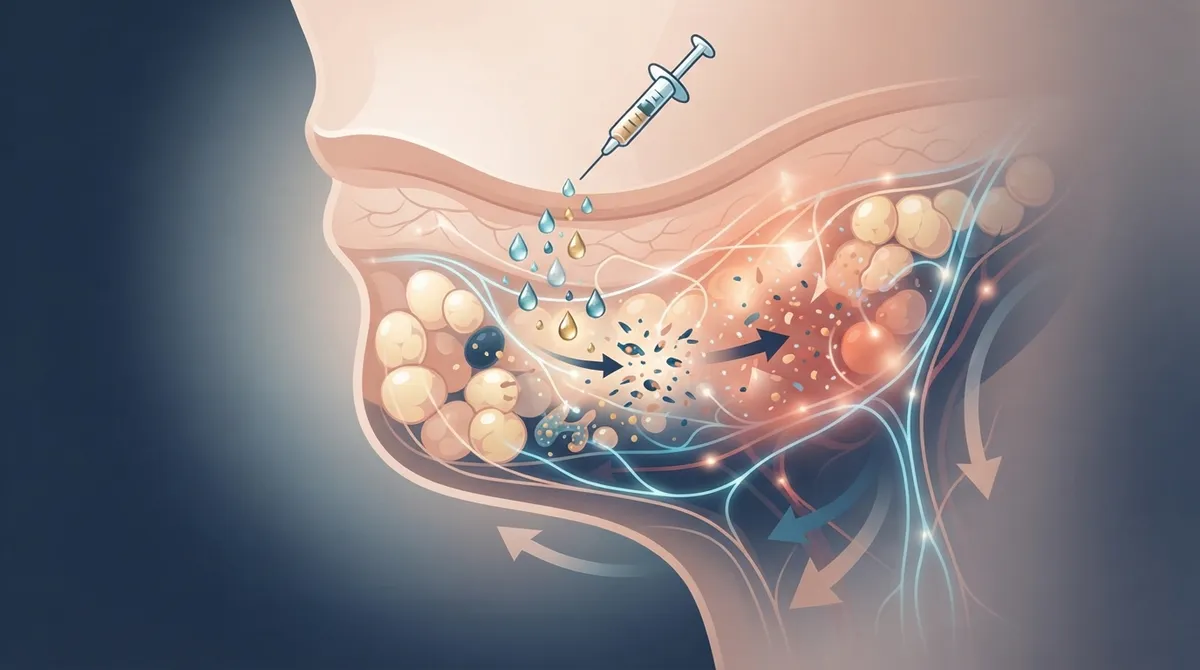
KYBELLA® is an FDA-approved injectable treatment made from deoxycholic acid. It’s designed for adults dealing with moderate to severe submental fullness, also known as a double chin. This treatment is not approved for use on other body areas, so it’s important to work with a trained provider who understands facial anatomy.
Because Kybella breaks down fat cells under the chin, your body responds with inflammation. That means swelling, tenderness, and firmness are actually signs the treatment is working. In FDA clinical trials, injection-site reactions happened in 96% of people treated with Kybella, compared to 81% of those who received a placebo. That’s a big number, but it tells us these reactions are expected, not rare.
Here’s what most patients experience after their treatment. These symptoms are normal and usually resolve on their own within days to weeks.
Some of these effects can stick around longer than you’d expect. According to FDA labeling, numbness lasting more than 30 days was reported in 42% of patients, swelling in 20%, pain in 16%, and firmness in 13%. It’s uncomfortable, but it’s not dangerous.
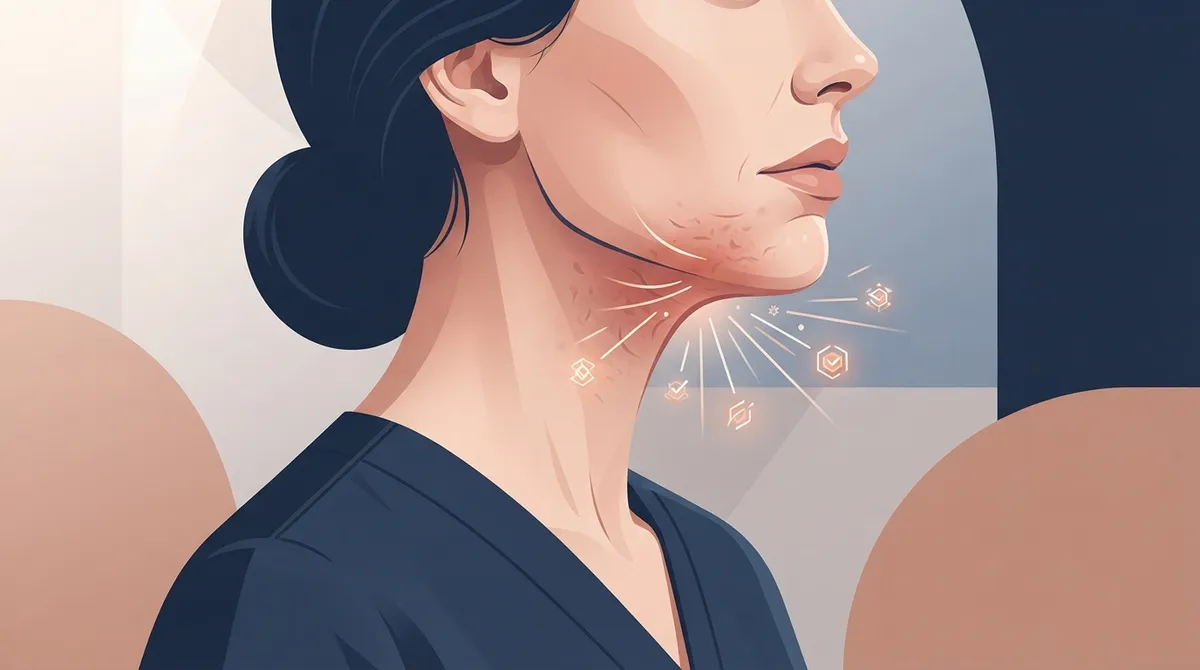
Now let’s talk about the real reason you’re here. Below are 11 warning signs that go beyond normal healing and may require prompt medical care, whether that’s a call to your injector or a trip to the emergency room.
This is a true emergency. If you feel like you can’t get enough air, call 911 immediately. Breathing difficulty after any injectable treatment could signal a severe allergic reaction.
Rapid swelling in these areas can be a sign of anaphylaxis. Don’t wait to see if it gets better. Call 911 or head to the nearest emergency department right away.
A little swelling under the chin is expected. But if swelling spreads quickly down your neck or feels tight and severe, this needs immediate evaluation.
Lightheadedness can happen with any injection, but fainting or near-fainting combined with other symptoms should be checked out urgently.
Some trouble swallowing, called dysphagia, occurs in about 2% of people treated with Kybella. In clinical trials, it usually resolved on its own within 1 to 81 days, with a median of just 3 days. Mild swallowing discomfort should be reported to your provider. But if you can’t swallow at all, or you’re struggling to breathe alongside it, this becomes an emergency.
This can point to nerve involvement. In FDA trial data, facial nerve injury occurred in about 4% of Kybella patients compared to less than 1% of placebo patients. If one side of your smile looks droopy or you notice weakness in your face, contact your injector promptly for evaluation.
Some soreness is normal. Pain that keeps getting worse instead of better, especially paired with fever or spreading redness, needs prompt clinical assessment.
Bruising is common, but blisters, open sores, or areas of skin that look dark, purple, or dying are not. These signs require urgent attention from a medical professional.
Any unusual fluid, pus, or discharge could indicate infection. This should be evaluated quickly, ideally the same day symptoms appear.
Hives, widespread itching, dizziness, or a racing heart combined with swelling can point to a serious allergic response. Treat this as an emergency and seek immediate care.
If the treated area develops firm, discolored patches that don’t improve or seem to be getting worse over days, reach out to your provider. This may point to a rare but serious complication called tissue necrosis.
It helps to have a simple way to sort your symptoms. Here’s a table to keep things clear.
| Symptom | What to Do |
|---|---|
| Mild swelling, bruising, numbness | Normal healing, monitor at home |
| Firmness or tenderness under chin | Contact your injector if concerned |
| Mild trouble swallowing | Call your provider promptly |
| Uneven smile or facial weakness | Contact your provider same day |
| Trouble breathing or throat swelling | Call 911 immediately |
| Fainting with other symptoms | Seek emergency care now |
| Skin ulceration or blistering | Seek urgent medical evaluation |
Notice that most concerns fall into the “contact your provider” category. That’s why choosing a qualified clinic matters so much from the start.
Many patients ask this exact question. Swelling typically peaks in the first few days and gradually improves over one to two weeks. Some patients notice mild firmness or numbness for a month or longer, which is still considered within the normal range according to FDA data. If you’re unsure whether your timeline is normal, it’s always okay to reach out and ask.
The best way to avoid a true emergency is to start with the right provider. Kybella should always be administered by a trained healthcare professional who understands facial and neck anatomy. Here’s what to look for:
At Enhanced Aesthetics & Wellness, we walk every patient through what to expect before, during, and after treatment. We also offer complementary services like Dermal Fillers, PRP Therapy, and Morpheus8 for patients looking to enhance results even further. You can read what our patients say when you visit us on Google — Enhanced Aesthetics & Wellness.
This point matters a lot. A med spa, no matter how skilled the staff, is not equipped to handle true medical emergencies like breathing problems or severe allergic reactions. Your injector can absolutely help with routine concerns, swelling questions, or aftercare guidance. But for anything involving breathing, swallowing that’s severely impaired, or rapid facial swelling, your nearest emergency department is the right call.
This is standard practice across the medical aesthetics field, and it’s echoed in resources like the official KYBELLA prescribing information. Good clinics are upfront about this distinction because your safety always comes first.
Once you’re past the first few days, focus on gentle care. Avoid strenuous exercise, keep the area clean, and follow any icing instructions your provider gave you. Staying hydrated can also support your body’s healing process. If you want extra support, our IV Hydration Therapy is a popular add-on for patients recovering from injectable treatments.
Many of our patients also explore complementary options like Neurotoxins or Regenerative Medicine once their Kybella results settle in. It’s all part of building a treatment plan that fits your goals.
Feeling nervous about a new treatment is completely normal, and asking questions is a sign of a smart patient, not a difficult one. We love seeing our community stay informed and empowered. Follow along with real patient stories and behind-the-scenes moments on our Instagram or connect with us on our Facebook page for more tips on aesthetic safety and aftercare.
If you’re also curious about hormone health alongside your aesthetic goals, resources from Biote offer helpful insight, including specifics on pellet therapy for women and hormone imbalance in men. Many patients find that combining aesthetic treatments with hormone support gives them the most complete sense of well-being.
Emergency Kybella situations in Pahrump are rare, but knowing the warning signs helps you feel calm and prepared. Most patients sail through recovery with nothing more than normal swelling and a little patience. The key is choosing a provider who explains everything clearly and stays available for your questions.
Ready to talk through your options or schedule your first consultation? Book an appointment with our team today, or contact us if you have questions before booking. Your journey to a more confident jawline starts with one simple conversation, and we’re here for every step of it.
Q: Is severe swelling after Kybella an emergency?
A: Not usually! Swelling is actually one of the most common reactions, happening in about 87% of patients. It only becomes an emergency if it spreads rapidly to your throat, tongue, or face, or if you start having trouble breathing.
Q: When should I call 911 after Kybella injections?
A: Call 911 right away if you have trouble breathing, swelling in your throat or tongue, fainting, or signs of a severe allergic reaction like hives with dizziness. These symptoms need immediate emergency care, not a wait-and-see approach.
Q: Can Kybella cause difficulty breathing or swallowing?
A: Mild swallowing trouble happens in about 2% of patients and usually clears up within a few days on its own. But if breathing is affected or swallowing becomes severely impaired, that’s a sign you need emergency evaluation right away.
Q: How long does normal Kybella swelling last?
A: Most swelling peaks in the first few days and improves within one to two weeks. Some patients notice mild firmness or numbness for a month or longer, and that’s still considered part of normal healing.
Q: How can I choose a qualified Kybella provider in Pahrump?
A: Look for a licensed medical professional with real experience performing Kybella treatments. A great provider will walk you through aftercare instructions and give you a direct way to reach them if you have questions after your appointment.
Enhance your skincare routine with AHAs and BHAs. Trust Enhanced Aesthetics & Wellness for safe, effective treatments.

Discover what separates licensed estheticians from self-taught enthusiasts, the rigorous training true skin care experts undergo, and why professional credentials matter for your skin’s health.
