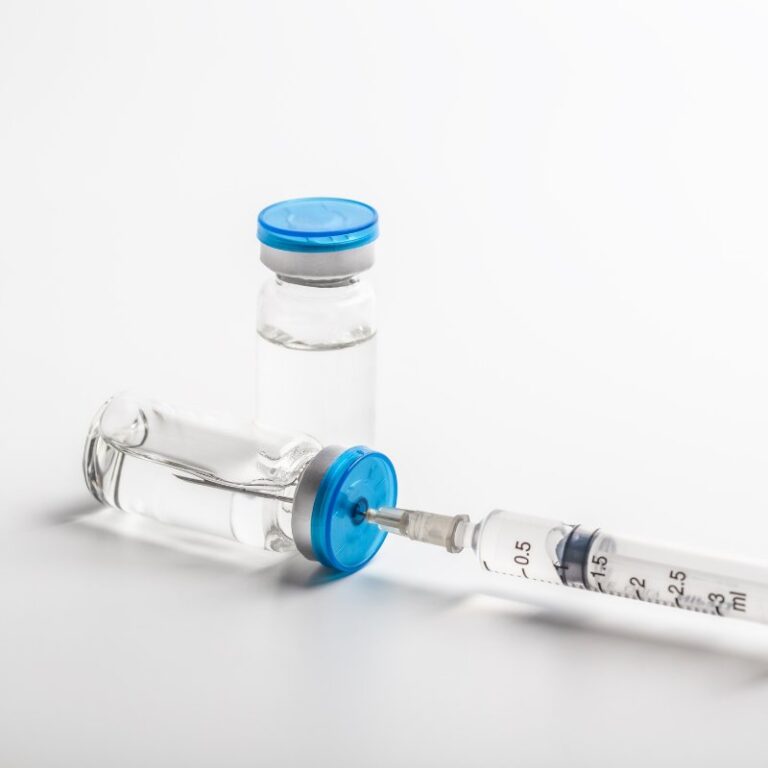
Peptide Injections To Restore Vitality Without Surgery or Downtime
Discover how peptide injections at Enhanced Aesthetics & Wellness boost energy, improve sleep, and support hormone health.


Legitimate skin care experts are licensed professionals with 600-1,600 hours of formal training in skin anatomy, treatments, and safety protocols.
State licensing requires passing written and practical exams, ensuring professionals meet minimum competency standards for skincare services.
Advanced skin care experts pursue specialized certifications like medical aesthetics, master esthetician status, and specific treatment modalities.
Licensed professionals can perform sophisticated treatments safely, from chemical peels to laser therapies, beyond what at-home or influencer advice can provide.
Continuing education is mandatory for skin care experts, ensuring they stay current with the latest technologies, research, and best practices.
Choosing a qualified skin care expert involves verifying state licensure, specialized certifications, and a comprehensive approach to individual skin needs.
When scrolling through social media, you’ve probably noticed countless influencers and beauty enthusiasts sharing skincare advice, product recommendations, and at-home treatments. But here’s the million-dollar question: are these self-proclaimed skin care experts qualified to guide your skincare journey, or should you trust licensed professionals instead? The difference between a certified esthetician and someone who’s simply passionate about skincare can significantly impact your skin’s health and appearance. In this comprehensive guide, we’ll explore what makes a legitimate skin care expert, the training they undergo, and why professional credentials matter more than ever in today’s beauty-saturated world. Whether you’re dealing with stubborn acne, early signs of aging, or simply want to maintain healthy, glowing skin, understanding who to trust with your face is essential.

A legitimate skin care expert is a licensed esthetician or skincare specialist who has completed state-approved education and training programs. Unlike self-taught enthusiasts, these professionals undergo rigorous vocational training that typically requires between 300 to 1,600 hours of formal education, depending on state requirements. In Washington State, for example, esthetics training programs require 750 hours, while cosmetology requires 1,600 hours. Most states mandate around 600 hours of schooling for estheticians, covering essential topics like skin anatomy, physiology, facial treatments, extractions, and electrical equipment usage such as micro-current devices.
These specialists must pass both written and practical licensing exams administered by state boards, often aligned with the National Interstate Council of State Boards of Cosmetology (NIC). Licensure is mandatory in all states except Connecticut, ensuring that anyone performing professional skincare services meets minimum competency standards. This formal education sets true skin care experts apart from influencers who may have extensive product knowledge but lack the scientific foundation to assess skin conditions properly or perform advanced treatments safely.

Becoming a licensed esthetician starts with a minimum educational requirement: a high school diploma or GED. From there, aspiring skin care experts must enroll in state-approved programs offered at cosmetology schools, vocational institutions, or specialized esthetics academies. These comprehensive programs cover critical subjects including dermatology basics, skin analysis techniques, chemical composition of skincare products, sanitation protocols, and hands-on treatment methods.
The curriculum typically includes practical training in facials, exfoliation techniques, mask applications, hair removal methods, and advanced modalities like chemical peels and microdermabrasion. Students also learn business ethics, client consultation skills, and contraindications for various treatments. At Enhanced Aesthetics & Wellness, our team of licensed professionals brings this extensive educational background to every treatment, ensuring you receive safe, effective care tailored to your unique skin needs.
After completing their required training hours, esthetician candidates must pass state licensing examinations that test both theoretical knowledge and practical skills. The written exam typically covers subjects like skin structure, diseases and disorders, product chemistry, and state regulations. The practical exam requires candidates to demonstrate proficiency in performing various treatments under observation, proving they can execute techniques safely and hygienically.
Once licensed, skin care experts must renew their credentials every one to two years, depending on state requirements. This renewal process often includes continuing education units to ensure professionals stay current on emerging trends, new technologies, safety protocols, and evolving best practices. This ongoing commitment to education distinguishes licensed professionals from amateur enthusiasts who may not stay informed about the latest scientific research and safety standards.

Many people confuse estheticians with cosmetologists, but these professionals have distinct focuses and training. Estheticians specialize exclusively in skincare, concentrating on the health and appearance of facial and body skin. Their expertise centers on treatments like Deep Laser Peels, facials, chemical peels, microdermabrasion, and SkinPen Microneedling. They’re trained to analyze skin conditions, recommend appropriate products, and perform treatments for issues like acne, rosacea, hyperpigmentation, and premature aging.
Cosmetologists, on the other hand, receive broader training that includes hair cutting and styling, makeup application, nail care, and some basic skincare. While there’s overlap in their skill sets, cosmetologists typically spend more time on hair services than detailed skincare analysis. If you’re seeking specialized skin treatments, an esthetician’s focused expertise makes them the better choice. For comprehensive facial rejuvenation and body contouring treatments, facilities like Enhanced Aesthetics & Wellness employ skin care experts who dedicate their practice entirely to helping clients achieve their aesthetic goals.

Beyond basic licensure, many estheticians pursue advanced certifications to expand their expertise and service offerings. These specialized credentials demonstrate a commitment to mastering specific techniques and staying at the forefront of the aesthetic industry. Here are the most recognized advanced certifications:
Master Estheticians (ME) have completed additional training beyond standard esthetician programs, typically adding 300-600 more hours of education. These professionals can perform more advanced treatments including deeper chemical peels, LED light therapy, and advanced microdermabrasion techniques. Not all states recognize the Master Esthetician designation, but where available, it represents a higher level of expertise and expanded scope of practice.
Skin care experts working in medical settings often pursue specialized training in medical aesthetics. This field requires additional medical licenses such as Registered Nurse (RN) or Nurse Practitioner (NP), plus procedure-specific training for performing injectable treatments, laser therapies, and advanced chemical peels. These professionals work alongside dermatologists and plastic surgeons, performing treatments like Botox, Dermal Fillers, and Morpheus8 skin rejuvenation.
Botox and filler certification courses can be completed in one to two days for basic techniques, though comprehensive programs lasting weeks or months provide more thorough training. At Enhanced Aesthetics & Wellness in Pahrump, Nevada, our medical aesthetics team combines advanced certifications with years of practical experience to deliver exceptional results in a safe, clinical environment.
Many estheticians obtain certifications in specific treatment modalities to enhance their expertise. Popular specialized certifications include:
These specialized certifications demonstrate a skin care expert’s commitment to providing targeted, evidence-based treatments for specific concerns. When choosing a provider, look for professionals who invest in ongoing education and hold certifications relevant to your particular skincare needs.
Licensed estheticians and advanced practitioners can perform a wide range of professional treatments that go far beyond what’s possible with at-home skincare routines. Understanding the scope of these services helps you make informed decisions about your skincare journey.
Basic licensed estheticians can perform essential skincare treatments including deep-cleansing facials, manual and enzyme exfoliation, extractions, facial massage, mask applications, and hair removal through waxing or threading. They conduct thorough skin analyses using specialized equipment, recommend appropriate home care products, and create customized treatment plans for various skin concerns. These professionals also perform basic chemical peels using gentler acids, microdermabrasion, and LED light therapy.
Master Estheticians and medical aesthetic professionals offer more intensive treatments including stronger chemical peels, advanced microneedling, dermaplaning, and sophisticated device-based therapies. Medical aesthetics practitioners can administer injectable treatments like KYBELLA® for double chin reduction, perform PRP Therapy for skin rejuvenation, and operate advanced laser systems for procedures like Sciton Joule BBL Treatment and CoolPeel® Treatment.
These advanced treatments require not only technical expertise but also comprehensive understanding of skin physiology, wound healing, contraindications, and potential complications. This is why proper licensing and certification matter so much—the difference between excellent results and serious skin damage often comes down to the practitioner’s training and experience.
While social media influencers and beauty bloggers can provide helpful product recommendations and general skincare tips, relying solely on unqualified sources for serious skin concerns can be problematic. Self-taught enthusiasts, regardless of their passion or following, lack the formal training to properly diagnose skin conditions, understand contraindications, or recognize when a concern requires medical attention.
Attempting advanced treatments at home based on online tutorials can lead to serious complications including chemical burns from improperly used peels, scarring from incorrect microneedling techniques, infections from unsanitary practices, and worsening of underlying skin conditions. Professional skin care experts understand skin biology, how different treatments interact, and how to modify approaches based on individual skin types and conditions.
Furthermore, licensed professionals carry liability insurance and work in regulated environments with proper sanitation protocols. They can recognize warning signs of skin cancer, severe allergic reactions, or conditions requiring dermatological referral. This comprehensive knowledge base simply can’t be replicated through self-study or following beauty trends online.
Selecting a qualified skin care expert involves more than finding someone with good reviews or an impressive social media presence. Start by verifying their licensure through your state’s board of cosmetology or health department. Most states provide online databases where you can confirm a practitioner’s license status, check for any disciplinary actions, and verify their credentials are current.
During your initial consultation, don’t hesitate to ask about their education, training hours, specialized certifications, and experience with your specific concerns. A confident, qualified professional will gladly discuss their background and explain their approach to treatment. They should conduct a thorough skin analysis, ask detailed questions about your medical history and current skincare routine, and develop a customized treatment plan rather than pushing one-size-fits-all solutions.
Look for facilities that maintain high standards of cleanliness, use professional-grade products and equipment, and provide transparent information about treatment expectations, potential side effects, and pricing. You can explore our comprehensive range of services and see real client transformations in our before & after gallery to understand what professionally administered treatments can achieve.
The aesthetic industry evolves rapidly, with new technologies, treatment techniques, and research findings emerging regularly. This is why continuing education requirements are built into esthetician license renewal. True skin care experts remain committed to lifelong learning, regularly attending workshops, conferences, and advanced training sessions to stay current on industry developments.
Professional organizations like the Associated Skin Care Professionals (ASCP) and the National Coalition of Estheticians, Manufacturers/Distributors & Associations (NCEA) provide resources, networking opportunities, and educational programs that help practitioners maintain their expertise. Many also pursue manufacturer-specific training to properly operate advanced equipment like the DEKA Treatment system or master new injection techniques for dermal fillers.
This commitment to ongoing education ensures that when you visit a licensed professional, you’re receiving treatments based on current best practices and the latest scientific understanding. It’s another crucial distinction between qualified skin care experts and self-taught enthusiasts who may rely on outdated information or unproven techniques.
Modern skin care experts understand that healthy, beautiful skin reflects overall wellness, not just external treatments. Progressive medical spas like Enhanced Aesthetics & Wellness take holistic approaches that address both aesthetic concerns and underlying health factors. This might include hormone optimization through Bio-Identical Hormone Therapy Bioidentical Hormone Replacement Therapy, which can significantly improve skin texture, elasticity, and overall appearance from the inside out.
Qualified professionals recognize that factors like nutrition, stress levels, sleep quality, and hormonal balance profoundly impact skin health. They can provide guidance on lifestyle modifications that complement professional treatments, creating synergistic effects that maximize your results. This comprehensive perspective separates true wellness-focused practitioners from those who simply perform treatments without considering the bigger picture of health and aging.
While there’s nothing wrong with learning from beauty influencers or experimenting with at-home skincare routines, understanding the distinction between entertainment and professional expertise is crucial for your skin’s health. Licensed estheticians and advanced skin care experts bring formal education, hands-on training, continuing education, and regulatory oversight to their practice—qualifications that simply can’t be matched by self-taught enthusiasts, regardless of their popularity or passion.
When you’re ready to address specific skin concerns, combat signs of aging, or simply want to elevate your skincare routine with professional treatments, choosing a qualified expert makes all the difference. The investment in properly licensed, continuously educated professionals pays dividends in safer treatments, better results, and long-term skin health. Don’t leave your face in the hands of amateurs when trained specialists are available to guide your aesthetic journey with expertise, safety, and personalized care.
Ready to experience the difference that qualified skin care experts can make? Schedule your personalized consultation at Enhanced Aesthetics & Wellness today, where our licensed professionals will assess your unique needs and create a customized treatment plan to help you achieve your aesthetic goals. You can also visit our Google profile to read reviews from satisfied clients who’ve trusted their skin to our expert care. Connect with us on Instagram and Facebook to see our latest results and stay informed about new treatments and special offers.
Q: What education is required to become a licensed esthetician?
A: To become a licensed esthetician, you’ll need a high school diploma or GED, followed by completion of a state-approved training program requiring 300-1,600 hours (typically around 600 hours). After finishing your education, you must pass both written and practical state licensing exams to practice professionally.
Q: What’s the difference between an esthetician and a cosmetologist?
A: Estheticians specialize exclusively in skincare, focusing on facials, skin analysis, and treatments for conditions like acne and aging. Cosmetologists receive broader training that includes hair styling, makeup, and nail care along with basic skincare. If you’re seeking specialized skin treatments, an esthetician’s focused expertise is ideal.
Q: Do estheticians need continuing education to maintain their licenses?
A: Yes! Licensed estheticians must renew their credentials every one to two years, and most states require continuing education units as part of the renewal process. This ensures skin care experts stay current on new treatments, safety protocols, and emerging research in the aesthetic industry.
Q: What advanced certifications can skin care experts obtain?
A: Beyond basic licensure, estheticians can pursue Master Esthetician designation, medical aesthetics certifications, and specialized training in chemical peels, microneedling, laser therapies, and injectable treatments. These advanced credentials demonstrate commitment to expertise and allow practitioners to perform more intensive procedures safely.
Q: Can I trust skincare advice from social media influencers?
A: While influencers can provide general product recommendations and skincare inspiration, they typically lack the formal training to diagnose skin conditions, understand contraindications, or perform professional treatments safely. For serious skin concerns or advanced treatments, always consult a licensed esthetician or dermatologist who has the education and expertise to provide personalized, safe care.
Discover how peptide injections at Enhanced Aesthetics & Wellness boost energy, improve sleep, and support hormone health.

Eyelash growth is a difficult thing to achieve regularly. Whether you are an actress, newscaster, or just want to increase the length and fullness of
