
BBL vs Nano Peel: Which One Gives Better Results?
BBL vs Nano Peel: Find out which treatment gives better results for smoother, brighter skin. Book your consultation today!


IV vitamin C skips the digestive system and goes straight into the bloodstream, but that alone does not prove better skin, energy, or immunity in people who already get enough vitamin C.
Research reviewed in the article does not establish clinical benefit of IV vitamin C for skin, energy, or immunity in healthy people without a deficiency.
Oral vitamin C from citrus, peppers, or supplements is cheap, low risk at normal doses, and covers daily needs for most healthy people.
People with kidney disease, a history of oxalate kidney stones, G6PD deficiency, or pregnancy or heart conditions should get medical review before any high-dose IV vitamin C.
High-dose vitamin C can interfere with some blood and urine glucose tests, so tell your clinician and the lab about any recent infusion and follow timing instructions.
Before booking, ask who provides medical oversight, how they screen for kidney and G6PD issues, the exact vitamin C dose, and whether products are sterile and properly diluted.
You’ve probably seen it on social media. A glowing influencer relaxes in a chair, an IV bag drips beside her, and the caption promises radiant skin and endless energy. It’s easy to wonder if IV hydration with vitamin C is the secret you’ve been missing. Or if the vitamin C serum and orange juice you already use do the same job.
Here’s the friendly truth: both options have a place, but they are not the same thing. One goes through your veins. The other goes through your digestive system. And the science behind the big wellness claims is more limited than the marketing suggests.
In this guide, we’ll compare IV vitamin C with oral vitamin C in plain language. We’ll look at how each works, what the research does and doesn’t show, who should skip IV therapy, and what to ask before you book. Let’s sort fact from hype together.
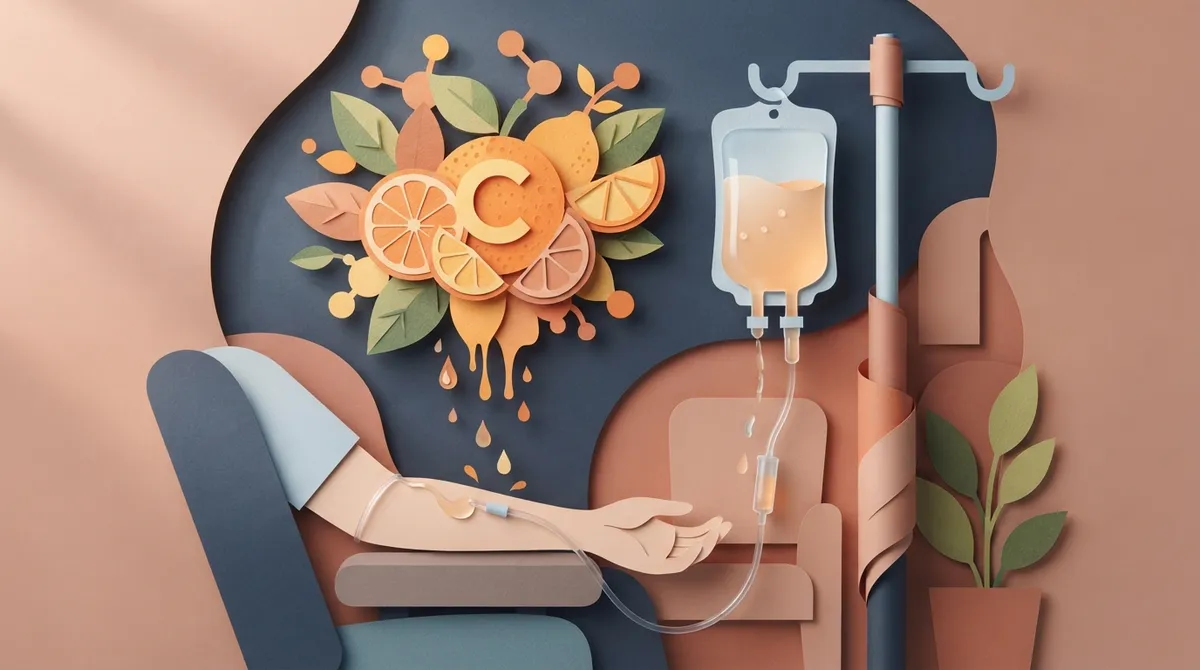
IV hydration with vitamin C is an elective infusion. A trained clinician places a small catheter in your vein. Fluids drip in, along with ascorbic acid (the chemical name for vitamin C). Some clinics also add other vitamins or minerals.
This is different from a medically needed IV for a diagnosed problem. For example, the FDA-approved ascorbic acid injection called ASCOR is labeled for the short-term treatment of scurvy. That use applies when taking vitamin C by mouth is not possible, not enough, or not safe. Its label does not cover cosmetic or general wellness goals.
So when a med spa offers a vitamin C drip, it’s a wellness service. That doesn’t make it bad. It just means you should understand what it can and can’t promise.
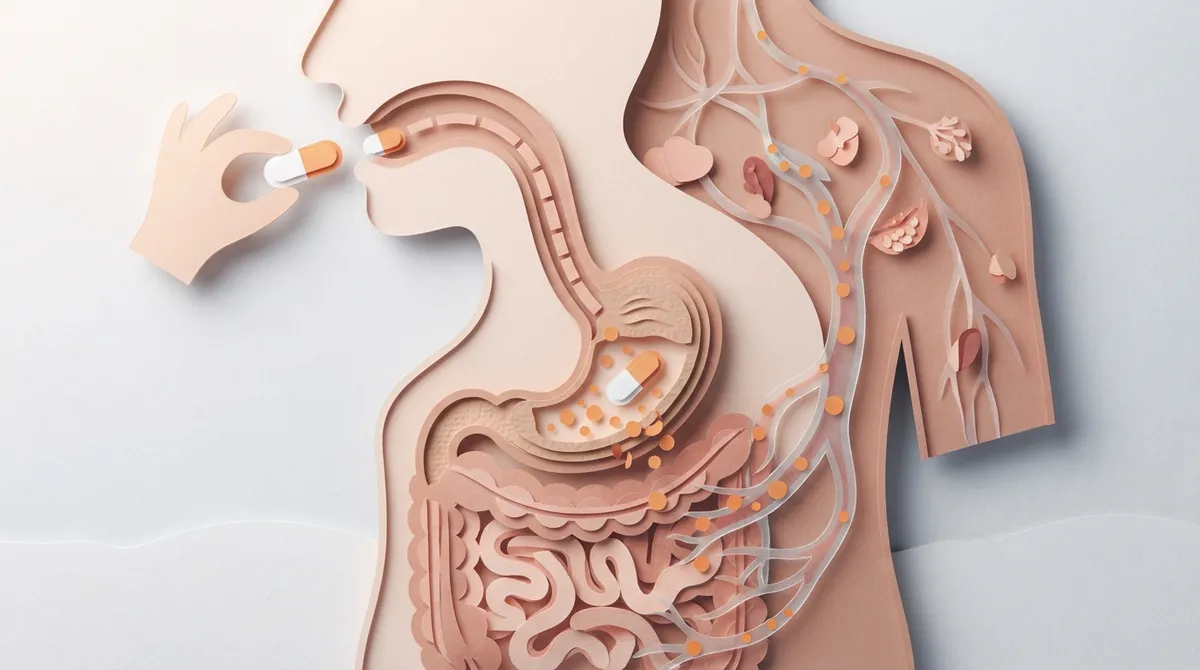
Oral vitamin C is the kind you swallow or sip. Think citrus, bell peppers, strawberries, capsules, or powders. Your gut absorbs it, and your body uses what it needs. Your body then clears the extra, mostly through urine.
For most healthy people, a balanced diet covers daily needs. Oral vitamin C is cheap, simple, and low risk at normal doses. There are no needles, no chair time, and no clinic visit.
| Feature | IV Hydration With Vitamin C | Oral Vitamin C |
|---|---|---|
| How it enters the body | Straight into the bloodstream | Through the digestive tract |
| Time commitment | Typically a clinic visit with infusion time | Seconds a day |
| Cost | Higher per session | Low |
| Medical approval | Injectable form approved for scurvy only | Widely used dietary nutrient |
| Main risks | Vein irritation, bruising, infection, kidney and G6PD concerns | Stomach upset at high doses |
| Proven wellness or skin benefit in healthy people | Not established in the sources reviewed | Supports normal daily needs |
This is the big question. IV delivery skips the gut. That’s true. But skipping the gut does not automatically mean better skin, more energy, or a stronger immune system.
The research reviewed for this article does not establish clinical benefit for those goals in people without a deficiency. In other words, if you already get enough vitamin C, extra vitamin C by IV may not give you a visible glow.
That doesn’t mean you can’t enjoy a hydration session. Many people simply feel good after relaxing and getting fluids. Just keep your expectations honest. If you want proven skin results, treatments built for skin can do more. Options like SkinPen Microneedling or Morpheus8 target collagen and texture directly.
If skin is your goal, a topical vitamin C serum is a different tool. It sits on the skin and works as an antioxidant where you apply it. Medical-grade options can be part of a smart routine. Our guide on ZO Skin Health’s self-activating vitamin C formula explains how that works.
Any IV comes with some risk. That’s normal for any medical procedure, and a good provider will tell you upfront.
General IV risks include:
Vitamin C adds its own concerns. Prolonged high-dose infusions have been linked to oxalate nephropathy, a type of kidney injury. High doses can also raise the risk of kidney stones. These are the reasons screening matters so much.
Not everyone is a good fit. Talk with a qualified clinician first if any of these apply to you:
If you’re unsure whether you have G6PD deficiency, say so. A careful provider will ask about it and may want testing before treatment.
Here’s one that surprises people. Vitamin C can interfere with certain lab tests, including some blood and urine glucose tests. If you have diabetes or are getting bloodwork, tell your clinician about any recent infusion. Follow the lab’s directions on timing.
Concentrated ascorbic acid is very strong. Undiluted ascorbic acid injection has an osmolarity of about 5,900 mOsmol/L. That is far too concentrated to go straight into a vein. FDA labeling says it must be diluted properly into an appropriate infusion solution.
This is why sterile products and clinical oversight are non-negotiable. The bag, the mix, and the technique all need to be done right. This isn’t a place for shortcuts.
Let’s be real: it depends on your goal.
For most healthy people, oral vitamin C covers the basics. IV therapy is an optional extra, not a requirement. And it should never replace medical care for a real deficiency or illness.
A good med spa will welcome your questions. Use this checklist:
For a deeper look at what a visit involves, see our guide on what to expect at a med spa for IV therapy. You can also compare delivery methods in IV Drip vs. Oral Supplements: Which One Actually Works?
Different people come to IV hydration for different reasons. Here’s how it often looks in real life.
Living in the desert adds another factor. Dry air and heat can leave you thirsty and your skin dry. Simple habits like drinking water and using sunscreen go a long way. Our post on living well in the desert without wrecking your skin has easy tips.
At Enhanced Aesthetics & Wellness in Pahrump, Nevada, we believe in telling you the whole story. Our mission is to enhance your natural beauty and support your overall well-being with customized care. Our IV hydration therapy is built around your needs, your health history, and honest expectations. Our Myers Cocktail starts at $150, with add-ons like glutathione, biotin, and zinc available.
If you’re curious about a classic blend, read How to Use a Myers Cocktail to Boost Your Glow and Wellness. Want to know what people say about us? You can visit us on Google — Enhanced Aesthetics & Wellness and read reviews from our Pahrump community.
Think of IV vitamin C as one small tool, not a magic fix. Your best results usually come from a full plan: good nutrition, water, sun protection, sleep, and treatments that match your goals. For ideas on pairing your wellness routine with skin care, browse our 9 Best Med Spa Treatments in Pahrump, Nevada (2026).
For general background on vitamin C and your daily needs, the National Institutes of Health Office of Dietary Supplements offers a clear, trustworthy fact sheet. You can also look up the official labeling for injectable ascorbic acid on DailyMed. And if you want to understand how the FDA reviews drug labels, the FDA drug information page is a good place to start.
So, who wins the IV vs. oral vitamin C match-up? For most healthy people, oral vitamin C wins on cost, simplicity, and safety. IV hydration with vitamin C can be a fine optional treat, but only after proper screening and with realistic expectations. The big promises about skin, energy, and immunity simply aren’t backed by strong evidence in healthy people.
The best next step is a friendly, honest conversation. Contact us with your questions, or book an appointment at Enhanced Aesthetics & Wellness in Pahrump. We’ll help you choose what truly fits you, with no pressure and no hype.
Q: What is IV hydration with vitamin C?
A: It’s an elective infusion where fluids and ascorbic acid (vitamin C) go straight into your vein, sometimes with other vitamins or minerals. It’s different from the FDA-approved injectable used to treat scurvy when oral vitamin C isn’t possible. Think of it as a wellness add-on, not a medical must-have.
Q: Does IV vitamin C improve skin, energy, or immunity?
A: The research we reviewed does not establish these benefits in healthy people without a deficiency. You may feel refreshed after a relaxing hydration session, but that’s not the same as proven skin or immune results. If you want visible skin changes, treatments designed for skin are usually a better bet.
Q: Who should avoid IV vitamin C?
A: People with kidney disease, a history of oxalate kidney stones, or G6PD deficiency need extra caution, since high-dose vitamin C can cause serious problems for them. Always share your full health history and get screened by a qualified clinician first. If you’re unsure about G6PD status, just ask and we’ll guide you.
Q: Can IV vitamin C affect my lab tests?
A: Yes, it can. Vitamin C may interfere with some blood or urine glucose tests. Let your clinician and the lab know about any recent infusion, and follow their directions on timing so your results stay accurate.
Q: What should I ask a med spa before getting an IV vitamin infusion?
A: Ask who provides medical oversight, how they screen for kidney issues and G6PD deficiency, and what dose is in your bag. Also confirm they use sterile, properly diluted products and have a plan for reactions. A trustworthy team will happily answer every question and won’t overpromise results.
BBL vs Nano Peel: Find out which treatment gives better results for smoother, brighter skin. Book your consultation today!

Discover trusted PRP therapy near Pahrump, NV. Learn pricing, benefits, and what to expect from this natural rejuvenation treatment.
