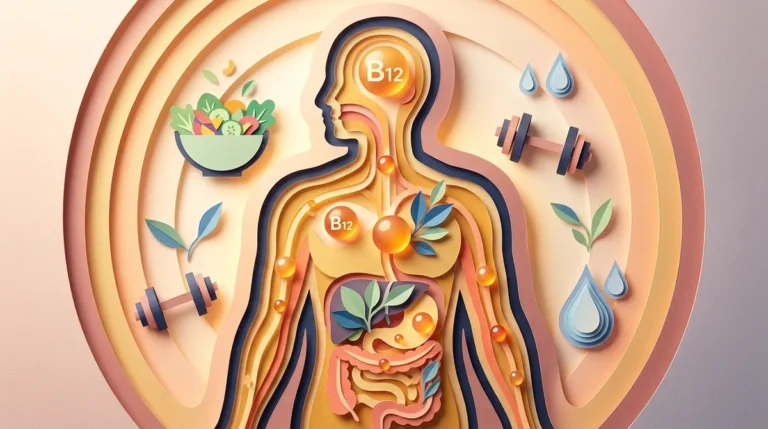
B12 and Lipotropic Injections: Energy, Metabolism & Wellness
Discover how B12 and lipotropic injections support energy, fat metabolism, and wellness at a med spa. Learn what’s inside, who benefits, and what to expect.


Sports-medicine guidance finds IV fluids offer no advantage over oral fluids and electrolytes for routine rehydration in runners who can drink.
A 2025 review found evidence for IV vitamin therapy improving energy or recovery in healthy people is limited, with most claims anecdotal.
IV fluids are appropriate for medical situations like severe dehydration (over 7% body weight loss), exertional heat illness, persistent vomiting or diarrhea, or inability to drink.
For rapid rehydration, USADA cites a target of about 1.5 liters of fluid per kilogram of body weight lost, often achievable by drinking if fluids stay down.
IV therapy carries risks including infection, vein inflammation, allergic reactions, and dosing errors, and compounded products are not FDA-approved like standard drugs.
Choose a provider with licensed staff, a health screening, sterile practices, and an emergency plan; be wary of promises of faster miles or guaranteed energy.
You finish a long run, your legs feel heavy, and your head is pounding. Then you scroll past an ad promising a quick IV drip that will fix everything. It sounds like a dream, right? Many runners in Pahrump and beyond are asking the same question: is IV therapy for runners a smart recovery tool or just a shiny wellness trend?
Here at Enhanced Aesthetics & Wellness in Pahrump, Nevada, we believe in telling you the honest truth. That means giving you the facts, not hype. The desert heat makes hydration a real concern for anyone who laces up their shoes, so this topic matters.
In this guide, we will walk through what IV therapy for runners actually is, what the research says, when it may help, and what risks to know about. We will also show you how to choose a safe provider. Grab a glass of water, and let’s dive in together!

IV therapy for runners is a drip of fluids, and sometimes vitamins and minerals, given straight into a vein. Clinics often market it for post-run recovery, energy, or general wellness. It is not a skin or cosmetic treatment, and it is not a proven performance booster.
A typical drip may include saline, electrolytes, B vitamins, vitamin C, or magnesium. One popular option is the Myers cocktail. You can learn more in our guide on how to use a Myers cocktail to boost your glow and wellness.
The key idea is simple. IV fluids skip the stomach and go right into the bloodstream. That sounds fast, and it is. But faster does not always mean better, especially for healthy runners who can drink.

Runners push their bodies hard. Long miles mean sweat loss, sore muscles, and tired days. It makes sense that people look for any edge to bounce back faster.
Social media plays a big role, too. Marathoners and weekend joggers alike see friends posting photos from a drip chair. It looks relaxing and feels like self-care.
Here are the most common reasons runners try IV therapy:
These goals are all understandable. The real question is whether a drip delivers on them better than simpler options.
Let’s be real with each other. The science does not show that IV therapy gives runners a clear edge in recovery or performance. For most athletes who can drink, oral fluids and food work just as well.
Sports-medicine guidance, as summarized in a review of intravenous fluid use in athletes, says IV fluids offer no advantage over oral fluids and electrolytes for routine rehydration. Your gut is quite good at absorbing water and salt when you sip steadily.
What about the vitamins? A 2025 review of IV vitamin therapy found that evidence for general wellness benefits in healthy people remains limited. Most claims are anecdotal or based on how people feel afterward. Large, high-quality trials simply do not back up promises about extra energy, fewer cramps, or faster recovery.
That does not mean you will feel nothing. Lying down, relaxing, and getting fluids can feel great. But feeling better is not the same as proven performance gains.
It helps to see the two options side by side. Here is how they stack up for a healthy runner.
| Factor | Oral Fluids and Food | IV Therapy |
|---|---|---|
| Best for | Routine post-run recovery | Selected medical situations |
| Speed | Gradual, steady | Faster delivery into the bloodstream |
| Proven recovery edge | Well supported | Not shown for healthy runners |
| Risks | Very low | Bruising, infection, vein irritation, dosing errors |
| Cost | Low | Higher |
| Medical screening needed | No | Yes |
For most runners, a bottle of water with electrolytes and a balanced snack is the best first step. IV therapy is a medical tool, not a daily habit.
There are times when IV fluids are truly the right call. These are medical situations that need a clinician’s assessment, not a routine wellness drip.
IV treatment may be appropriate in cases such as:
If you feel confused, dizzy, faint, or have a racing heart after a run, do not wait for a spa appointment. Seek urgent medical care. Heat illness can become serious fast, especially in a desert climate like ours.
For rapid rehydration, USADA guidance notes a commonly cited target of about 1.5 liters of fluid for every kilogram of body weight lost. That can often be reached by drinking, provided you are able to keep fluids down.
Every IV carries some risk. A needle goes into your vein, and that opens a door that drinking never does. Most people do fine, but you deserve to know what can happen.
Possible risks include:
Product safety matters, too. Adding vitamins or minerals to a bag can involve sterile compounding. Compounded products are not FDA-approved the same way as standard drugs. The FDA and professional groups have raised concerns about contamination at some clinics.
A 2025 national analysis, reported by NBC News, found that only about one in four hydration spa websites required a medical consultation first. Fewer than one in four warned callers about side effects. More than 85% of clinics contacted recommended a specific IV cocktail after a caller mentioned symptoms like a headache, often without checking medical history. Those numbers are a good reminder to choose carefully.
Some runners need to talk with a clinician before even thinking about an infusion. Extra fluid can strain certain bodies.
Please check with a medical professional first if you have:
A good clinic will ask about all of this up front. If nobody asks about your health history, that is a red flag worth noticing.
If you decide an infusion might be right for you, safety comes first. Rules for IV hydration and med spas vary by state, and there is no single federal framework for med spas. So it is smart to do your homework.
Here is a simple checklist to follow:
You can find more tips in our post on IV hydration mistakes to avoid for faster recovery in Pahrump. It pairs nicely with this guide.
Here is the good news. You do not need a needle to recover well. Simple habits make a big difference, and they cost much less.
Try this runner-friendly routine after your next long effort:
These steps support recovery without the added risks of an IV. You can also explore how food choices fit into your goals through our comparison of IV drips versus oral supplements.
For muscle soreness and performance support, you may also enjoy reading about how peptides support muscle recovery and performance, which explores another area of wellness care.
At a med spa, IV hydration is best seen as a supportive wellness service, not a cure-all. For a healthy person who simply wants a relaxing, hydrating session, it can be a pleasant choice when done safely. But it should never replace smart habits or medical care.
Enhanced Aesthetics & Wellness offers IV hydration therapy in Pahrump, including a Myers cocktail with add-ons like glutathione, biotin, and zinc. We take time to talk with you, review your health, and set honest expectations. We will never promise you a faster mile time or a new personal record from a drip.
If you want to understand what a visit looks like, our guide to IV therapies near me and what to expect at a med spa walks you through it step by step. And if you want to see what neighbors say about us, you can visit us on Google for Enhanced Aesthetics & Wellness and read real reviews.
Running outdoors in the desert is amazing, but the sun and wind can take a toll on your skin. Long hours of sun exposure may lead to dryness, uneven tone, and early signs of aging. That is where our aesthetic side comes in.
If you want to protect and refresh your skin, read our tips on how to live well in the desert without wrecking your skin. Treatments like SkinPen Microneedling or a gentle CoolPeel can help refresh sun-stressed skin when the time is right. You can see more options in our roundup of the 9 best med spa treatments in Pahrump, Nevada.
So, does IV therapy for runners work? For routine recovery in a healthy person who can drink, the evidence says oral fluids and food do the job just as well. IV fluids shine in specific medical situations, like severe dehydration or heat illness, where a clinician decides they are needed.
If you still feel curious about a drip for relaxation or wellness, that is okay. Just choose a licensed, careful provider, share your full health history, and keep your expectations realistic. You will stay safer and happier that way.
Ready to talk about hydration, recovery, or skin care that fits your running life? Contact us with your questions, or book an appointment with our friendly team at Enhanced Aesthetics & Wellness in Pahrump, Nevada. We would love to help you feel and look your best, one honest conversation at a time.
Q: Does IV therapy help runners recover faster after a run?
A: For most healthy runners who can drink, there is no clear proof that IV therapy speeds recovery compared to oral fluids and food. A drip may feel relaxing, but feeling good is not the same as a proven recovery boost. Steady sipping, electrolytes, and a balanced snack work well for most of us.
Q: Is an IV drip better than drinking water or a sports drink after running?
A: Not for routine rehydration. Sports-medicine guidance says IV fluids offer no advantage over oral fluids and electrolytes when you can drink. An IV is best saved for medical situations like severe dehydration or heat illness.
Q: What are the risks of IV hydration or vitamin drips at a med spa?
A: Risks include bruising, vein inflammation, infection, fluid leaking into nearby tissue, allergic reactions, and dosing errors. Rarely, more serious problems can happen. That is why a medical screening and licensed professionals really matter.
Q: When might a runner need medical IV fluids instead of oral rehydration?
A: Medical IV fluids may be needed for severe dehydration, exertional heat illness, ongoing vomiting or diarrhea, or when you cannot take fluids by mouth. These cases call for a clinician’s assessment. If you feel confused, faint, or very ill after a run, seek urgent care right away.
Q: How can I tell whether an IV hydration clinic is safe and properly licensed?
A: Look for a clinic that takes your health history, explains risks honestly, and uses licensed professionals for assessment and administration. Be cautious if they push a specific cocktail without asking questions or promise big performance gains. Do not be shy about asking about their sterile practices and emergency plan.
Discover how B12 and lipotropic injections support energy, fat metabolism, and wellness at a med spa. Learn what’s inside, who benefits, and what to expect.
Night creams vs day creams: Do you need both? Find out how they complement your skincare routine. Contact us today!
