
9 Ways to Find Trusted PRF Therapy in Pahrump (2026)
Discover 9 practical steps to find trusted PRF therapy in Pahrump for natural skin and hair rejuvenation results.


IV therapy works best for clear medical needs like severe dehydration, diagnosed nutrient deficiencies, or poor absorption, not as a general wellness upgrade for healthy people.
For healthy adults who eat well, evidence for IV vitamin drips boosting energy, immunity, or skin glow is limited and mostly based on self-reported results.
IV delivery raises blood nutrient levels faster than pills, but the body clears what it doesn't need, so a quicker spike doesn't prove a lasting benefit.
Evidence does not show routine IV vitamin therapy gives reliable, lasting skin or anti-aging improvements; treatments like microneedling, laser, or PRP act directly on the skin and show clearer results.
Before booking, get screened, name a specific goal, and ask what is in the bag, who oversees treatment, and whether drinking more fluids or an oral supplement would work instead.
Every IV carries risks such as vein irritation, infection, allergic reactions, and fluid overload, so people with heart, kidney, or blood pressure conditions, or who are pregnant, should consult a clinician first.
You have seen the ads. A glowing influencer, a bag of sparkling fluid, and big promises about energy, immunity, and radiant skin. It looks amazing. But does it actually work? That is the question we hear most often, and it deserves an honest answer.
IV therapy effectiveness depends on who you are, why you want a drip, and who is giving it to you. For some people, an IV is exactly the right tool. For others, it is an expensive way to get what a glass of water and a balanced meal already provide.
In this friendly guide, we will walk you through how to judge IV therapy effectiveness for yourself. You will learn what the science says, how to spot hype, and what to ask before you sit in the chair. Whether you are a busy professional, a skincare lover, or just curious, you will leave feeling confident and informed.

In medical aesthetics, IV therapy usually means an elective infusion. It may include fluids, vitamins, minerals, or antioxidants. These are often marketed for hydration, energy, recovery, immunity, or skin glow.
That is different from medically needed IV care. Hospitals use IV fluids for severe dehydration, diagnosed deficiencies, or problems with absorption. In those cases, the treatment fixes a clear medical problem.
So when we talk about IV therapy effectiveness, we have to ask a simple question first: effective for what?
The evidence looks very different for each one. Let us break it down.

Here is the honest truth. For generally healthy people who eat well, strong proof of lasting benefits is limited. A 2025 review of intravenous vitamin therapy found that many claims rely on personal stories or self-reported results. It also said we still need better long-term studies.
Mayo Clinic Press (2024, updated 2025) says much the same. Evidence for IV vitamins in people with normal nutrition is thin, and many studies are poorly designed. The Merck Manuals (2025) add that few studies have tested popular blends like the Myers’ cocktail in people without deficiencies. The small studies that exist often lack placebo groups.
None of this means IV therapy is useless. It means we should be careful about big promises. Good providers explain this clearly and do not oversell.
IV delivery puts nutrients straight into your bloodstream. That raises blood levels faster than swallowing a supplement. It sounds impressive, and it is a real difference in how the body receives the nutrients.
But faster does not always mean better. Your body only uses what it needs and clears the rest. If you already have healthy levels, extra may simply pass through. A quicker spike in blood levels does not prove a lasting wellness or beauty benefit.
IV therapy works best when there is a clear reason for it. Think of it like using the right tool for the right job.
Evidence is strongest for these situations:
In these cases, a qualified clinician should choose and monitor the treatment. It is a medical decision, not a spa menu pick. If you are curious about how fluids work in these settings, our guide on what IV fluids are and whether they are right for you is a helpful read.
Let us talk about the big one. Many people book a drip hoping for brighter, firmer, younger-looking skin. We completely understand. Who does not want that glow?
Here is where we keep it real. Current evidence does not show that routine IV vitamin therapy gives reliable, lasting skin improvements in healthy people. Strong, placebo-controlled trials for anti-aging or skin elasticity are lacking. No trusted source gives a clear percentage or effect size for these results.
That said, hydration does matter for how skin looks and feels. If you are truly dehydrated, rehydrating can help your skin look fresher. You can read more in our honest breakdown, 13 honest facts about IV hydration and skin health.
If your goal is visible skin change, treatments with solid track records often do more. These work on the skin itself:
For a side-by-side look, see IV drips vs. skin treatments: what really boosts beauty.
Ready to decide for yourself? Use this step-by-step approach. It keeps you in the driver’s seat.
This last step matters. Part of how people feel after a drip comes from rest, attention, and expectation. That is not fake, but it helps to know. You can dig deeper into this topic in how to judge real IV hydration results before you book.
Here is a quick comparison to help you see where IV therapy shines and where evidence is weaker.
| Goal | Strength of Evidence | Notes |
|---|---|---|
| Severe dehydration | Strong | Fluids work quickly when needed |
| Diagnosed deficiency | Strong | Needs clinician guidance and monitoring |
| Malabsorption | Strong | May be the better route than oral intake |
| Energy boost (healthy adults) | Limited | Mostly self-reported results |
| Immune support (healthy adults) | Limited | Lacks strong long-term trials |
| Skin glow and anti-aging | Limited | No reliable proof of lasting benefit |
Every IV carries some risk. Most people do fine, but it is smart to know what can happen.
Possible side effects include:
Risk goes up with poor screening, very high doses, or unsafe preparation. That is why where you go matters so much. Our post on 10 IV hydration side effects to know before your drip covers this in more detail.
Talk with a clinician first if you have heart disease, kidney disease, high blood pressure, or a history of allergic reactions. Also speak up if you are pregnant, nursing, or take regular medications. A quick, honest chat can prevent real problems.
IV therapy is a medical service. In the United States, IV fluids and added ingredients fall under medical prescribing and professional practice rules. Compounded blends are not FDA-approved. Regulators stress qualified staff, sterile preparation, informed consent, and proper monitoring.
A trustworthy clinic will:
Want help comparing options? Read clinic IV vs. drip bar: which IV hydration is safer and how to choose safe intravenous hydration therapy.
Bring this short list to your consult. A good provider will welcome every question.
That last question is a great test. A provider who is honest about when you do not need a drip is one you can trust.
This depends on your goal. For true dehydration, you may feel better within hours as fluids restore balance. For deficiencies, benefits depend on how well the underlying issue is managed over time.
For wellness goals like energy or glow, results vary a lot, and lasting benefit is not well proven. Many people report feeling good for a few days, though this is mostly self-reported. If you are wondering about frequency, our guide on how many times a month you should get IV hydration can help you plan wisely.
At Enhanced Aesthetics & Wellness in Pahrump, Nevada, we believe in honest, personalized care. Our approach is simple: listen first, screen carefully, and recommend only what makes sense for you. We offer IV hydration, including a Myers’ cocktail with add-ons such as glutathione, biotin, and zinc. You can explore the details on our IV hydration therapy page.
We also love helping you see the bigger picture. Sometimes the best plan blends a drip with skin-focused treatments, peptides, or simple lifestyle tweaks. Curious what other locals think? See what our neighbors say on Google for Enhanced Aesthetics & Wellness.
IV therapy effectiveness is not a simple yes or no. It can be very effective for real medical needs like dehydration or diagnosed deficiencies. For general wellness and beauty goals in healthy people, the evidence is still limited, and a good provider will tell you so.
The smartest move is to go in informed. Name your goal, get screened, ask good questions, and track how you feel. You deserve honest answers and safe care.
Ready to talk it through? Contact us with your questions, or book an appointment for a personalized consult at Enhanced Aesthetics & Wellness. We would love to help you feel and look your best, with no pressure and no hype.
Q: Does IV vitamin therapy work for healthy people?
A: The evidence is limited. A 2025 review found that most claims for energy, immunity, and wellness in healthy adults rely on self-reported results, not strong long-term trials. IV therapy works best when there is a clear need, like dehydration or a diagnosed deficiency.
Q: Can IV therapy improve skin or help with anti-aging?
A: There is not enough solid proof that routine IV vitamins give lasting skin or anti-aging benefits in healthy people. Rehydrating can help if you are truly dehydrated, but treatments that work on the skin directly often show clearer results.
Q: What are the risks and side effects of a vitamin IV drip?
A: Possible side effects include bruising, vein irritation, infection, allergic reactions, fluid overload, and nutrient imbalances. Risks rise with high doses, kidney or heart conditions, or poor screening, so always choose a clinic with licensed medical oversight.
Q: Are IV vitamin infusions FDA-approved?
A: IV fluids are regulated medical products, but compounded vitamin blends are not FDA-approved. That is why proper prescribing, sterile preparation, informed consent, and monitoring by qualified staff are so important.
Q: What should I ask a med spa before getting an IV infusion?
A: Ask who reviews your health history, what is in the bag and why, what results are actually supported by evidence, and how the fluids are prepared. A great provider will answer openly and tell you if a simpler option would work for you.
Discover 9 practical steps to find trusted PRF therapy in Pahrump for natural skin and hair rejuvenation results.
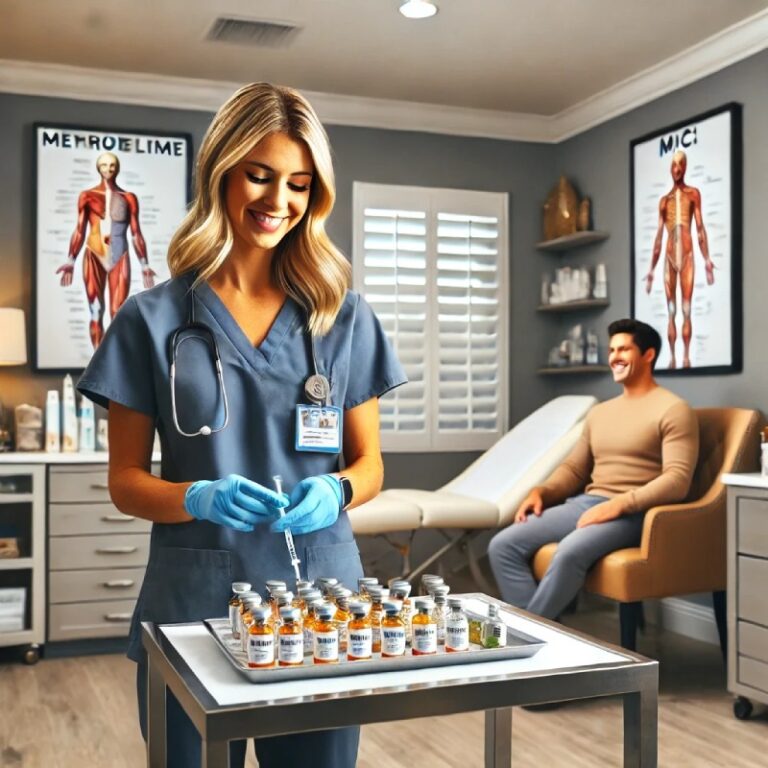
Metabolism injections in Pahrump NV offer a fast way to support weight loss and increase daily energy with minimal effort.
