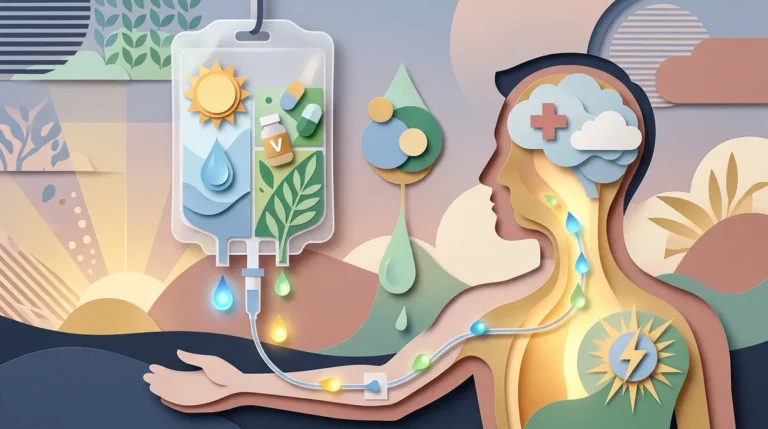
5 Reasons IV Hydration for Hangover Recovery Actually Works
Discover 5 science-backed reasons why IV hydration for hangover recovery works faster and better than traditional remedies at Enhanced Aesthetics & Wellness.


CO2 lasers use a precise infrared light wavelength to vaporize damaged skin cells and stimulate collagen production for comprehensive skin rejuvenation.
Treatments can address multiple skin concerns simultaneously, including wrinkles, acne scars, sun damage, and skin tightening with long-lasting results.
Fractional CO2 laser technology allows customizable treatment depths and intensities, minimizing damage to surrounding tissue and reducing recovery time.
Ideal candidates are individuals with fair to medium skin tones, good overall health, and specific skin concerns like moderate to severe wrinkles or scarring.
Aftercare is critical: strict sun protection, gentle skincare, hydration, and following professional guidance ensure optimal healing and results.
Results develop progressively over 3-6 months, with significant improvements in skin texture, tone, and overall appearance becoming visible.
If you’re exploring options for skin rejuvenation or curious about advanced aesthetic treatments, you’ve probably heard the term “CO2 laser” mentioned by dermatologists and skincare professionals. But what exactly is this technology, and why has it become such a game-changer in the world of medical aesthetics? Whether you’re dealing with wrinkles, acne scars, or sun damage, understanding CO2 laser technology can help you make informed decisions about your skin’s future.
A CO2 laser, or carbon-dioxide laser, is a sophisticated medical device that emits a powerful beam of infrared light at specific wavelengths—primarily around 10.6 micrometers. Originally invented by Kumar Patel at Bell Labs in 1964, this technology has evolved from industrial applications to become one of the most effective tools for skin resurfacing and rejuvenation. The laser works by targeting water molecules in your skin tissue, allowing for precise removal of damaged layers while stimulating collagen production underneath.
At Enhanced Aesthetics & Wellness, we’ve witnessed firsthand how CO2 laser treatments transform our clients’ confidence and appearance. Let’s dive deep into what makes this technology so remarkable and whether it might be the right solution for your skincare goals.

The magic of CO2 lasers lies in their unique composition and operational mechanics. Unlike other aesthetic lasers, CO2 lasers use a gas mixture of carbon dioxide, nitrogen, and helium as their active medium. This combination, when excited by electrical discharge (sometimes up to 20,000 volts), produces an infrared light beam that’s incredibly efficient—achieving up to 20% efficiency in converting electrical energy to laser output.
What makes the 10.6-micrometer wavelength so special? This wavelength is perfectly absorbed by water and organic materials, which means it can target the water content in your skin cells with exceptional precision. When the laser beam contacts your skin, it vaporizes microscopic columns of tissue in a controlled manner, removing damaged surface layers while triggering your body’s natural healing response.
The atmospheric transmission rate of CO2 laser light is impressively high—up to 80%—which means the energy reaches your skin effectively without significant loss. This efficiency translates to more predictable results and better control during aesthetic procedures. The laser can operate in two distinct modes: continuous-wave for ablative treatments that remove tissue, and pulsed mode for vascular treatments that target blood vessels without extensive surface damage.

When you undergo a CO2 laser treatment for skin resurfacing, the process follows a carefully orchestrated sequence. The laser beam delivers controlled thermal energy to targeted areas of your skin, creating microscopic treatment zones. This fractional approach—treating only a fraction of the skin surface at a time—allows for faster healing compared to older laser techniques that treated entire surface areas.
The heat generated by the laser serves multiple purposes. First, it instantly vaporizes the damaged skin cells, removing the visible signs of aging, scarring, or sun damage. Second, the thermal energy penetrates into the deeper layers of your skin, reaching the dermis where collagen fibers live. This controlled heating causes immediate collagen contraction (which tightens skin) and triggers a wound-healing response that produces fresh, new collagen over the following months.
Different CO2 laser systems offer varying levels of intensity and coverage. Some treatments, like the CoolPeel® Treatment, use ultra-short pulses that minimize heat damage to surrounding tissue, reducing downtime significantly. Traditional deeper treatments remove more tissue and require longer recovery periods but deliver more dramatic results for severe skin concerns.

CO2 laser technology has earned its reputation as the gold standard for addressing multiple skin concerns simultaneously. Here’s what these powerful devices can accomplish:
Beyond cosmetic applications, CO2 lasers are used in dentistry (where temperatures can reach up to 5,000°C for hard-tissue ablation), soft-tissue surgery, and even industrial cutting applications. This versatility demonstrates the precision and power of the technology. For aesthetic purposes, the key advantage is the ability to customize treatment depth and intensity based on your specific skin type and concerns.

Wondering what to expect during a CO2 laser session? Most treatments begin with thorough skin cleansing and application of topical numbing cream to ensure your comfort. Depending on the treatment area and intensity, the actual laser procedure typically takes 30 minutes to two hours.
During the treatment, you’ll hear a snapping sound as the laser pulses across your skin, and you might notice a slight burning smell—this is completely normal and simply the vaporization of surface tissue. Most patients describe the sensation as tolerable, ranging from mild warmth to a sunburn-like feeling, depending on the treatment depth.
Immediately after treatment, your skin will appear red and feel warm, similar to a significant sunburn. Swelling is common, particularly around the eyes, and usually peaks around day two or three. Your provider will give you specific aftercare instructions, which typically include:
The recovery timeline varies based on treatment intensity. Light treatments like CoolPeel® may require only 3-5 days of social downtime, while traditional deep CO2 laser resurfacing might need 10-14 days before you’re comfortable appearing in public. Complete healing and final results typically emerge over 3-6 months as new collagen continues developing.
With so many aesthetic treatments available today, how does CO2 laser stack up against alternatives? Understanding these differences helps you choose the right approach for your goals.
| Treatment Type | Effectiveness | Downtime | Best For |
|---|---|---|---|
| CO2 Laser | Dramatic, long-lasting results | 5-14 days | Deep wrinkles, scars, significant sun damage |
| Morpheus8 | Moderate improvement with collagen building | 2-5 days | Skin tightening, mild texture issues |
| BBL Photofacial | Gradual improvement in pigmentation | Minimal to none | Sun spots, redness, mild texture |
| Chemical Peels | Varies by peel depth | 3-14 days | Surface texture, mild wrinkles |
| Microneedling | Moderate improvement with series | 2-4 days | Fine lines, mild scarring, general rejuvenation |
While treatments like Botox and dermal fillers address specific concerns like dynamic wrinkles and volume loss, CO2 laser provides comprehensive resurfacing that improves overall skin quality, texture, and tone simultaneously. For many patients, combining CO2 laser with injectables creates a complete facial rejuvenation approach.
CO2 laser resurfacing delivers outstanding results for the right candidates, but it’s not suitable for everyone. Ideal candidates typically share these characteristics:
Certain conditions may disqualify you from CO2 laser treatment, including active acne outbreaks, recent isotretinoin use (within 6-12 months), history of abnormal scarring, or certain autoimmune disorders. A thorough consultation with an experienced provider is essential to determine if CO2 laser is right for you.
Age isn’t necessarily a limiting factor—both younger patients addressing acne scars and mature individuals seeking age reversal can benefit. What matters most is your skin condition, health status, and commitment to following pre- and post-treatment protocols.
Every aesthetic treatment comes with both benefits and potential drawbacks. Being informed helps you make decisions aligned with your lifestyle and priorities.
Key Advantages of CO2 Laser:
Considerations and Limitations:
The investment in CO2 laser treatment—both financial and in terms of recovery time—pays dividends for patients committed to achieving significant, lasting improvement. For those seeking more gradual results with minimal downtime, alternative treatments like PRP therapy or combination approaches might be more suitable.
The success of your CO2 laser treatment doesn’t end when you leave the treatment room. Following evidence-based aftercare practices ensures optimal healing and the best possible outcome.
During the first week post-treatment, your skin is particularly vulnerable and requires gentle care. Keep treated areas clean using recommended cleansers, apply prescribed ointments regularly to maintain moisture, and avoid picking at any crusting or peeling skin—this is crucial for preventing scarring and ensuring even healing.
Sun protection becomes non-negotiable after CO2 laser treatment. Your new skin is exceptionally sensitive to UV damage, and unprotected sun exposure can cause permanent hyperpigmentation. Use broad-spectrum sunscreen with SPF 30 or higher daily, wear protective clothing and hats, and consider avoiding direct sun exposure for several months post-treatment.
Hydration—both internal and external—supports optimal healing. Drink plenty of water, use recommended moisturizers liberally, and consider using a humidifier in your home, especially while sleeping. Your body needs adequate hydration to produce the collagen that creates your beautiful new results.
Most providers recommend a gentle skincare routine for the first several weeks, gradually reintroducing active ingredients like retinoids and vitamin C as your skin fully heals. Professional guidance on when to resume specific products prevents irritation and supports long-term skin health.
CO2 laser technology has evolved dramatically since its invention in 1964. Modern fractional CO2 lasers represent a quantum leap forward from early fully ablative systems. Fractional technology treats only a percentage of the skin surface in a pixelated pattern, leaving untreated skin between treatment zones. These intact columns of tissue accelerate healing and reduce complication risks while still delivering impressive results.
The development of ultra-pulsed and super-pulsed systems allows providers to deliver energy in extremely short bursts, minimizing heat accumulation in surrounding tissue. This precision reduces side effects and has made CO2 laser safer for a broader range of skin types.
Computer-controlled scanning patterns ensure consistent, even coverage across treatment areas, eliminating the human error factor that affected early manual techniques. These advances mean more predictable results and enhanced safety profiles.
Newer innovations like the CoolPeel® technique use the latest CO2 laser technology to deliver energy so quickly that heat doesn’t build up in surrounding tissue, creating results without the traditional prolonged downtime. This makes the benefits of CO2 laser accessible to patients who couldn’t previously commit to extended recovery periods.
Understanding the timeline of results helps set realistic expectations and prevents disappointment during the healing process. Immediately after treatment, you won’t see your final results—in fact, you’ll look worse before you look better!
Week 1-2: Expect significant redness, swelling, and peeling. Your skin is healing and rebuilding. This is the challenging phase that requires patience and diligent aftercare.
Week 3-4: Redness begins fading to pink, and you’ll start seeing smoother texture. Makeup can usually camouflage remaining pinkness at this stage.
Month 2-3: Skin tone continues evening out, and you’ll notice improved texture and diminished fine lines. The collagen-building process is well underway.
Month 4-6: Final results emerge as new collagen fully develops. Skin appears firmer, smoother, and more youthful with continued improvement possible for up to a year.
Many patients are thrilled to see their before and after photos, which document the remarkable transformation. These visual records help you appreciate the full extent of improvement, which can be difficult to notice day-to-day as you see yourself constantly.
Long-term maintenance involves protecting your investment through religious sun protection, quality skincare, and possibly maintenance treatments every few years. Some patients combine their results with complementary procedures like hormone optimization for comprehensive anti-aging approaches.
Choosing to undergo CO2 laser resurfacing is a significant decision that requires careful consideration of your goals, lifestyle, and readiness for the recovery process. Start by researching qualified providers with extensive experience in laser treatments—this technology demands skill and artistry for optimal results.
During your consultation, be completely honest about your medical history, medications, and lifestyle factors like sun exposure and smoking. These factors significantly impact your candidacy and potential results. Ask to see before-and-after photos of patients with similar skin types and concerns to yours.
Discuss all your options—sometimes a series of less intensive treatments might better align with your schedule and comfort level, while other times, a single more aggressive treatment delivers the transformation you’re seeking. There’s no one-size-fits-all approach to aesthetic treatments.
Consider the timing carefully. Plan your treatment when you can dedicate adequate time to recovery without work or social obligations. Many patients schedule treatments before holidays or special events, allowing several months for complete healing and result development.
Finally, understand the financial investment. While CO2 laser treatments represent a significant expense, the long-lasting results often make them more cost-effective than repeated treatments with less intensive modalities. Many practices offer financing options to make treatments more accessible.
At Enhanced Aesthetics & Wellness, our experienced team helps guide you through every step of the decision-making process, ensuring you feel confident and informed before proceeding with any treatment. You can visit us on Google to read reviews from satisfied clients who’ve experienced transformative results with our advanced aesthetic treatments.
CO2 laser technology represents one of the most powerful tools in modern aesthetic medicine for addressing visible signs of aging, sun damage, and scarring. While the treatment requires commitment to the recovery process, the dramatic, long-lasting results make it worth considering for anyone seeking significant skin rejuvenation.
The science behind CO2 lasers—their precise wavelength, controlled energy delivery, and ability to stimulate natural collagen production—creates genuine transformation rather than temporary improvement. Whether you’re dealing with deep wrinkles, stubborn acne scars, or extensive sun damage, this technology offers a proven solution with decades of research supporting its effectiveness and safety.
Remember that the best results come from combining advanced technology with experienced providers who understand the nuances of different skin types and individual needs. Your skin is unique, and your treatment should be too.
If you’re ready to explore whether CO2 laser resurfacing is right for you, the first step is a comprehensive consultation. Schedule your appointment today to discuss your goals, assess your candidacy, and develop a personalized treatment plan. Your journey to smoother, more youthful, radiant skin is just a consultation away—and the confidence that comes with loving your reflection in the mirror is truly priceless.
Q: How long do CO2 laser results last?
A: CO2 laser results are remarkably long-lasting, typically persisting for 5-10 years with proper skincare and sun protection. The treatment stimulates genuine collagen remodeling, creating structural improvements rather than temporary surface changes. Your longevity of results depends on factors like age, sun exposure, skincare routine, and lifestyle habits like smoking. Many patients find that maintaining their results with good sun protection and quality skincare products extends their beautiful outcome for years.
Q: Is CO2 laser treatment painful?
A: Most patients find CO2 laser treatment tolerable with proper numbing. Before the procedure, your provider applies topical anesthetic cream to minimize discomfort. During treatment, you’ll feel warmth and possibly a snapping sensation, but it shouldn’t be painful. Some areas like around the mouth are more sensitive than others. After treatment, your skin will feel like a sunburn for several days, which is manageable with prescribed ointments and over-the-counter pain relievers if needed.
Q: Can CO2 laser be used on all skin types?
A: CO2 laser works best on fair to medium skin tones, though newer fractional techniques have expanded treatment options for darker skin. People with darker skin have higher risk of post-inflammatory hyperpigmentation, so careful assessment and modified treatment protocols are essential. During your consultation, an experienced provider will evaluate your skin type, assess your risk factors, and determine whether CO2 laser is safe and appropriate for you, or if alternative treatments might be better suited to your skin tone.
Q: What’s the difference between fractional and traditional CO2 laser?
A: Traditional fully ablative CO2 lasers remove the entire surface layer of skin in the treatment area, providing dramatic results but requiring 2-3 weeks of recovery. Fractional CO2 lasers treat only a percentage of the skin surface in a pixelated pattern, leaving untreated tissue between treatment zones that accelerates healing. Fractional technology reduces downtime to about 5-10 days while still delivering significant improvement. Most modern practices use fractional CO2 lasers because they offer an excellent balance of effectiveness and manageable recovery.
Q: How much does CO2 laser resurfacing cost?
A: CO2 laser treatment costs vary based on treatment area size, intensity level, geographic location, and provider experience, typically ranging from $1,500 to $4,000 per session for facial treatments. While this represents a significant investment, the long-lasting results often make CO2 laser more cost-effective than repeated treatments with less intensive methods. Many practices offer financing options to make treatment more accessible. The best approach is scheduling a consultation to receive a personalized quote based on your specific needs and goals.
Discover 5 science-backed reasons why IV hydration for hangover recovery works faster and better than traditional remedies at Enhanced Aesthetics & Wellness.

Avoid these 3 common mistakes when researching PRF therapy Pahrump reviews and find a trusted provider for natural, glowing results.
