
9 Skin Care Services That Actually Transform Your Skin
Discover nine professional skin care services that deliver transformative results, from microneedling and chemical peels to AI-powered personalized treatments.


Smile lines, also called nasolabial folds, are those creases that run from the sides of your nose down to the corners of your mouth. While they’re a natural part of aging and can even add character to your face, many people feel self-conscious about deeper lines. The good news? Dermal fillers offer a simple, non-surgical way to soften these lines and restore a more youthful appearance. If you’ve been wondering whether fillers might be right for you, this friendly guide will walk you through everything you need to know about treating smile lines in 2026.

Before we dive into treatment options, it helps to understand why smile lines become more noticeable as we age. Several factors contribute to their development:
Understanding these causes helps explain why fillers work so well. They don’t just fill the line itself—they restore lost volume and support to the surrounding areas, creating a natural lift that softens the appearance of smile lines.

Dermal fillers are gel-like substances injected beneath the skin to add volume, smooth wrinkles, and enhance facial contours. For smile lines, fillers work in three main ways:
First, they literally fill the space beneath the crease, pushing it upward and making it less noticeable. Second, they add volume to the cheeks and mid-face area, which provides support and reduces the downward pull that deepens nasolabial folds. Third, many modern fillers contain hyaluronic acid, a natural substance that attracts moisture and plumps the skin from within.
The treatment itself is relatively quick and comfortable. Your provider will mark the injection sites, apply a numbing cream if needed, and then carefully inject the filler along the smile lines and sometimes in the cheek area above them. The whole process typically takes 15 to 30 minutes, and you can return to your normal activities right away.
Not all fillers are created equal, and your provider will choose the best option based on your specific needs. Here are the most common types used for nasolabial folds:
| Filler Type | Main Ingredient | Duration | Best For |
|---|---|---|---|
| Juvederm | Hyaluronic Acid | 12-18 months | Moderate to severe lines, smooth consistency |
| Restylane | Hyaluronic Acid | 9-12 months | Natural-looking results, versatile |
| Radiesse | Calcium Hydroxylapatite | 12-18 months | Deep folds, stimulates collagen production |
| Sculptra | Poly-L-lactic Acid | 2+ years | Gradual, long-lasting volume restoration |
Each filler has unique properties, and what works beautifully for one person might not be ideal for another. That’s why consulting with an experienced provider at Enhanced Aesthetics & Wellness is so important—they’ll assess your facial anatomy, skin quality, and aesthetic goals to recommend the perfect option.
If you’re considering fillers for smile lines, knowing what to expect can help ease any nervousness. Here’s a step-by-step breakdown of the typical treatment process:
Most people report minimal discomfort during the procedure. You might feel a slight pinch or pressure, but it’s generally very tolerable. Many modern fillers also contain lidocaine, a numbing agent that makes the experience even more comfortable.
One of the best things about dermal fillers is the minimal downtime. Here’s what you can expect in the days and weeks following your treatment:
Your provider will schedule a follow-up appointment to assess your results and make any necessary touch-ups. This ensures you achieve the most natural, balanced outcome possible.
Why are dermal fillers so popular for treating nasolabial folds? The benefits are numerous and compelling:
These advantages make fillers an attractive option for people who want to address smile lines without undergoing surgery. They’re also perfect for those who want to try a cosmetic treatment without a long-term commitment, since results are temporary but long-lasting.
Dermal fillers work well for many people, but they’re not right for everyone. Good candidates typically include:
During your consultation, your provider will evaluate your medical history, current medications, and aesthetic goals to determine if fillers are the best option for you. They may also suggest complementary treatments like Botox or SkinPen microneedling to enhance your results.
While fillers are highly effective for smile lines, sometimes combining treatments yields even better results. Here are some options to discuss with your provider:
| Treatment | How It Helps | Best Combined With |
|---|---|---|
| Botox | Relaxes muscles around the mouth to prevent line deepening | Fillers for comprehensive rejuvenation |
| Morpheus8 | Tightens skin and stimulates collagen for firmer texture | Fillers for volume and skin quality improvement |
| Laser treatments | Resurfaces skin and improves tone and texture | Fillers for addressing both volume loss and surface concerns |
| PRP therapy | Uses your own platelets to regenerate skin and improve quality | Fillers for natural-looking, long-term enhancement |
A comprehensive approach often delivers the most dramatic and natural-looking results. Your provider can create a personalized treatment plan that addresses all your concerns, not just the smile lines themselves.
Understanding the financial investment is an important part of your decision-making process. The cost of dermal fillers for smile lines varies based on several factors:
On average, you can expect to invest between $600 and $1,200 per syringe, and treating smile lines typically requires one to two syringes per session. While this might seem significant, consider that results last anywhere from 9 to 18 months or longer, depending on the filler type and your individual metabolism.
Want to make your filler investment last as long as possible? Follow these tips:
Many patients find that with regular maintenance treatments, they actually need less filler over time because some products stimulate the body’s own collagen production, providing lasting structural support.
Dermal fillers have an excellent safety record when administered by qualified professionals. However, like any cosmetic procedure, there are potential side effects to be aware of:
Common, temporary side effects include:
Rare but serious complications can include:
The key to minimizing risks is choosing a qualified, experienced provider who understands facial anatomy and uses proper injection techniques. At Enhanced Aesthetics & Wellness in Pahrump, Nevada, the team’s expertise ensures safe, beautiful outcomes for every patient. You can contact us to learn more about their qualifications and approach to safety.
The skill and experience of your injector can make all the difference in your results. Here’s what to look for when selecting a provider:
Don’t be afraid to schedule consultations with multiple providers before making your decision. This is your face, and you deserve to feel completely confident in your choice. You can check out what patients are saying by visiting our reviews on Google to see real experiences from people who’ve undergone treatments.
Come prepared with questions to make the most of your consultation. Here are some important ones to consider:
A knowledgeable provider will welcome your questions and take time to address all your concerns. This conversation helps ensure you’re both on the same page about your aesthetic goals and the best way to achieve them.
Hearing from people who’ve already undergone the treatment can provide valuable insight. While individual experiences vary, many patients report similar positive outcomes. Most describe the procedure as comfortable and quick, with results that exceeded their expectations.
Common themes in patient feedback include feeling more confident in photos, looking more refreshed without appearing “done,” and appreciating the natural-looking results. Many people also mention that the treatment motivated them to take better care of their skin overall, creating a positive ripple effect in their self-care routine.
You can explore real before-and-after transformations in the before & after gallery to see the kind of results that are possible with expert treatment. These visual examples can help you set realistic expectations and envision your own potential outcome.
While fillers alone can make a significant difference in the appearance of smile lines, combining treatments often delivers even more impressive results. Here are some powerful combinations to consider:
Fillers + Botox: While fillers add volume, Botox relaxes the muscles that contribute to line formation. Together, they address both the cause and the effect of wrinkles, providing comprehensive rejuvenation around the mouth and smile lines.
Fillers + Morpheus8: Morpheus8 uses radiofrequency energy and microneedling to tighten skin and stimulate collagen production. When combined with fillers, you get both volume restoration and improved skin quality for exceptionally natural results.
Fillers + Laser Treatments: Options like BBL treatment or CoolPeel treatment resurface the skin, improving texture, tone, and fine lines. Adding fillers addresses deeper folds and volume loss, creating a complete transformation.
Fillers + PRP Therapy: PRP therapy uses your own platelet-rich plasma to stimulate healing and collagen production. This natural approach complements fillers beautifully, enhancing skin quality while addressing volume concerns.
Your provider can help you design a comprehensive treatment plan that addresses all your aesthetic concerns, not just smile lines. This holistic approach often yields the most dramatic and satisfying transformations.
Getting fillers is just the beginning of your journey to smoother, more youthful-looking skin. Maintaining your results requires ongoing care and attention. Here’s how to keep your smile lines at bay for as long as possible:
Establish a quality skincare routine: Use products with proven anti-aging ingredients like retinol, vitamin C, hyaluronic acid, and peptides. These ingredients support collagen production and keep skin hydrated and healthy.
Never skip sunscreen: UV damage is one of the leading causes of premature aging. Apply broad-spectrum SPF 30 or higher every single day, rain or shine.
Stay hydrated: Drinking adequate water helps maintain skin plumpness and supports the hyaluronic acid in your fillers.
Schedule regular maintenance: Most patients return for touch-up treatments every 9 to 18 months, depending on the filler type and their individual metabolism.
Consider complementary treatments: Periodic treatments like chemical peels, microneedling, or laser therapy can enhance and prolong your filler results.
Adopt healthy lifestyle habits: Don’t smoke, limit alcohol consumption, get adequate sleep, and manage stress. These factors all impact how quickly your skin ages.
Think of your aesthetic treatments as part of an overall wellness approach. When you take care of your body from the inside out, your external results last longer and look even better. For more information about maintaining your aesthetic results, you can follow updates and tips on our Instagram where we share helpful skincare advice and treatment insights.
Smile lines are a natural part of life, but that doesn’t mean you have to live with ones that make you feel self-conscious. Dermal fillers offer a safe, effective, and minimally invasive solution that can take years off your appearance while maintaining your natural beauty. The results are immediate, the downtime is minimal, and the confidence boost can be truly life-changing.
Whether you’re just starting to notice nasolabial folds or you’ve been living with deeper lines for years, it’s never too late to explore your options. The field of aesthetic medicine has advanced tremendously, and today’s fillers are more sophisticated, longer-lasting, and natural-looking than ever before.
Remember, the key to beautiful results is choosing an experienced provider who understands facial anatomy, listens to your concerns, and creates a customized treatment plan just for you. Don’t settle for one-size-fits-all approaches—your face is unique, and your treatment should be too.
If you’re in the Pahrump, Nevada area and ready to explore how fillers can transform your smile lines, the team at Enhanced Aesthetics & Wellness is here to help. With state-of-the-art techniques and a commitment to natural-looking results, they’ll guide you every step of the way on your aesthetic journey. Schedule your consultation today and take the first step toward the confident, refreshed appearance you deserve. Your best self is waiting—let’s bring it to life together!
Q: How long do dermal fillers last for smile lines?
A: Most dermal fillers used for smile lines last between 9 to 18 months, depending on the type of filler used and your individual metabolism. Some advanced fillers like Sculptra can last two years or longer. Factors like sun exposure, lifestyle habits, and how quickly your body breaks down the product all affect longevity.
Q: Is getting fillers for smile lines painful?
A: Most patients describe the discomfort as minimal. Your provider will typically apply a numbing cream before the procedure, and many modern fillers contain lidocaine, a numbing agent. You might feel slight pressure or a pinch during injection, but the process is generally very tolerable and quick.
Q: Can dermal fillers make smile lines look worse?
A: When performed by an experienced, qualified provider, dermal fillers should enhance your appearance, not worsen it. Poor technique or using too much product can create unnatural results, which is why choosing a skilled injector is so important. If you’re unhappy with hyaluronic acid fillers, they can be dissolved with an enzyme injection.
Q: How much do fillers for smile lines typically cost?
A: The cost varies based on the type of filler, amount needed, and your provider’s location and expertise. On average, expect to invest between $600 and $1,200 per syringe. Treating smile lines typically requires one to two syringes per session, and results last 9-18 months or longer depending on the product used.
Q: What’s the difference between Botox and fillers for smile lines?
A: Botox and fillers work differently and address different concerns. Botox relaxes muscles that cause wrinkles, while fillers add volume to smooth existing lines and restore lost facial fullness. For smile lines, fillers are typically the primary treatment, though Botox can be used around the mouth to prevent lines from deepening. Many people get both treatments for comprehensive results.
Discover nine professional skin care services that deliver transformative results, from microneedling and chemical peels to AI-powered personalized treatments.
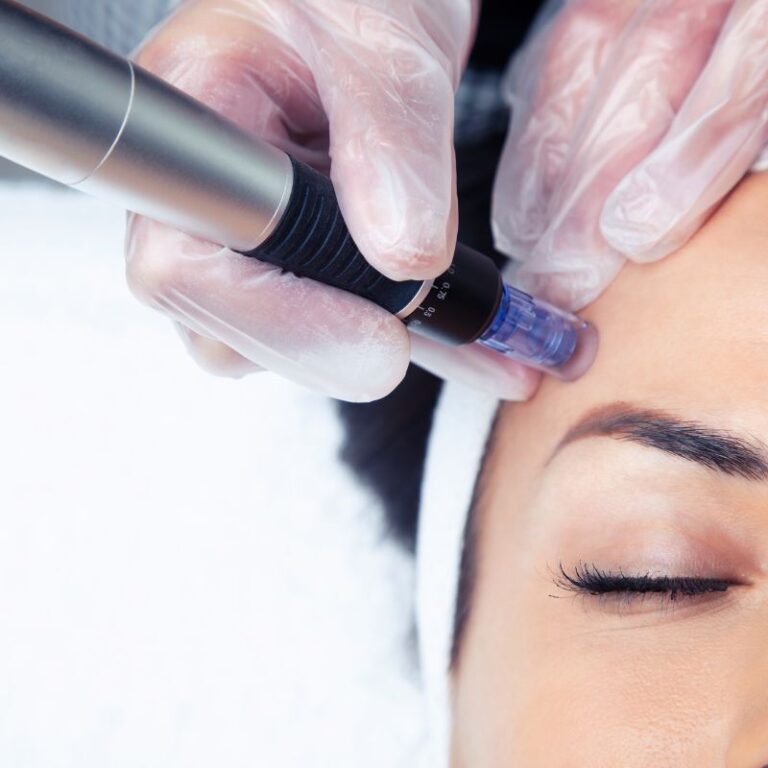
Will microneedling work for your skin concerns? Enhanced Aesthetics & Wellness provides SkinPen microneedling for lasting results.
