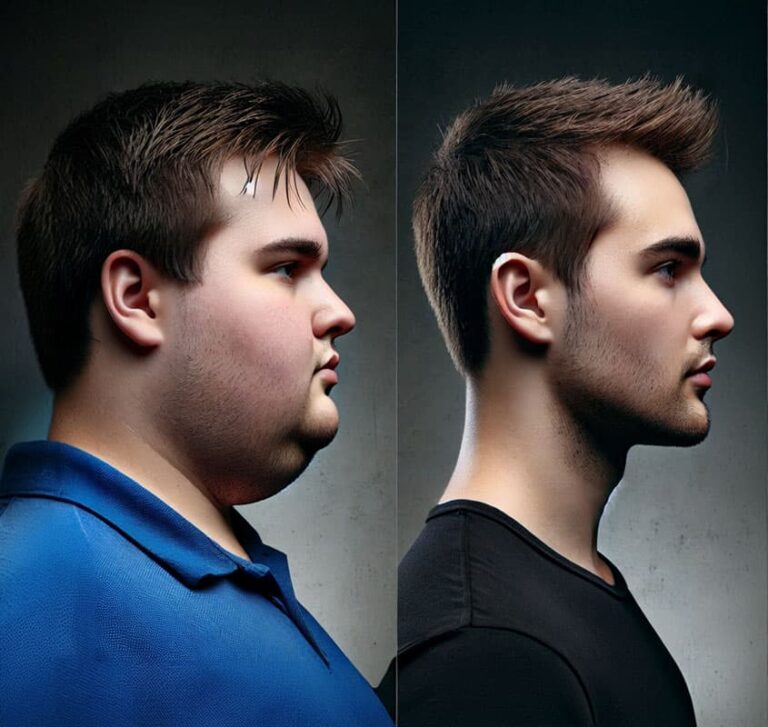
How Weight Loss Injections Can Transform Your Life at Enhanced Aesthetics & Wellness
Transform your life with weight loss injections at Enhanced Aesthetics & Wellness. Safe, effective, and tailored for lasting results.


Dynamic wrinkles are expression lines caused by facial movements, while static wrinkles develop due to collagen loss and require different treatment approaches.
Retinoids are the gold standard for topical anti-aging, gradually improving skin texture and stimulating collagen production over 3-6 months.
Injectable neuromodulators like Botox effectively soften dynamic wrinkles by temporarily relaxing facial muscles, with results lasting 3-9 months.
Dermal fillers restore lost volume and provide structural support, with hyaluronic acid fillers offering instant results and collagen biostimulators providing gradual improvement.
Energy-based devices like radiofrequency microneedling and laser treatments stimulate collagen production, improving skin texture and reducing wrinkles with minimal downtime.
Let’s be honest—wrinkles are a natural part of aging, but that doesn’t mean you have to accept them if they’re affecting your confidence. With so many wrinkle treatments available in 2025, from topical creams to cutting-edge procedures, figuring out which option is right for you can feel overwhelming. The good news? You have more choices than ever before, and understanding your options is the first step toward achieving the youthful, radiant skin you desire.
Whether you’re noticing your first fine lines or dealing with deeper wrinkles that have settled in over the years, this guide will walk you through everything you need to know about selecting the perfect wrinkle treatment. We’ll explore the latest innovations, help you understand which treatments work best for different types of wrinkles, and empower you to make informed decisions about your skin care journey. Ready to turn back the clock? Let’s dive in!
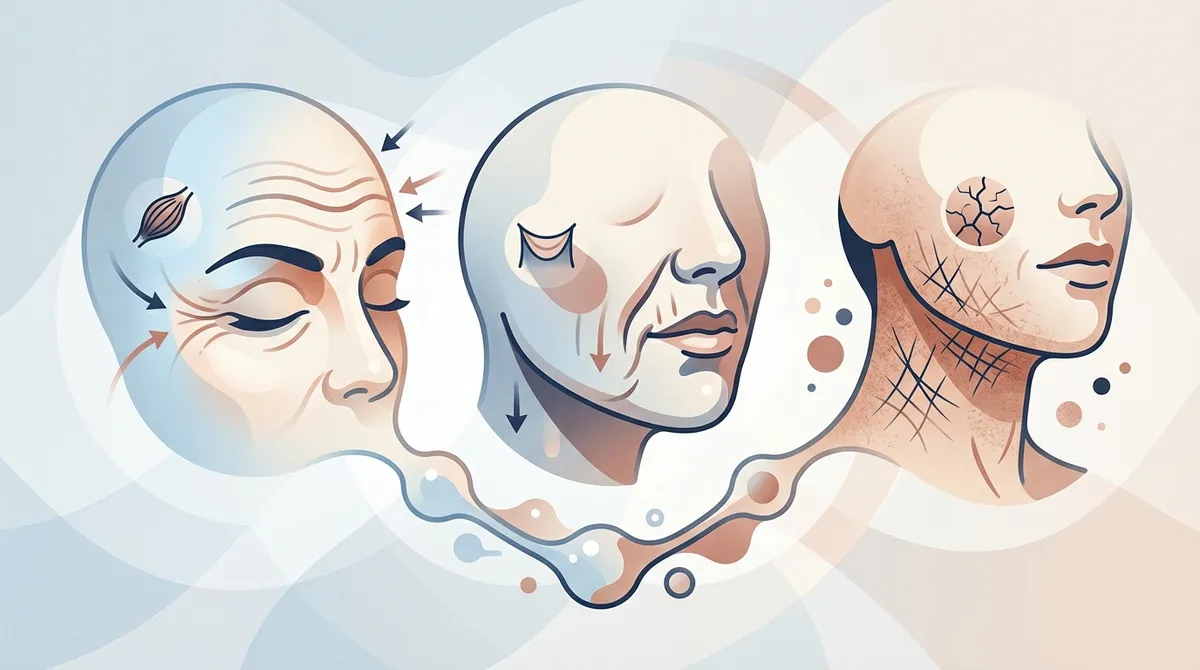
Before you choose a treatment, it’s essential to understand what type of wrinkles you’re dealing with. Not all wrinkles are created equal, and the distinction matters when selecting the most effective solution for your skin concerns.
Dynamic wrinkles are caused by repeated facial movements like smiling, frowning, or squinting. These expression lines typically appear around the eyes (crow’s feet), forehead, and between the eyebrows (frown lines). When you’re younger, these wrinkles disappear when your face is at rest, but over time, they become permanent creases etched into your skin.
Static wrinkles are visible even when your face is completely relaxed. These develop due to loss of collagen, elastin, and facial volume as we age, combined with environmental damage from sun exposure and lifestyle factors. Static wrinkles commonly appear as nasolabial folds (smile lines), marionette lines around the mouth, and general skin laxity.
Understanding this difference is crucial because dynamic wrinkles typically respond best to muscle-relaxing treatments like Botox, while static wrinkles often require volume restoration through dermal fillers or collagen-stimulating procedures. Many people have a combination of both types, which is why comprehensive treatment plans often include multiple approaches.

If you’re just beginning to notice fine lines or want to prevent deeper wrinkles from forming, topical treatments are a fantastic starting point. These products work gradually to improve skin texture and reduce the appearance of wrinkles over time.
Retinoids (vitamin A derivatives) are widely considered the most effective anti-aging ingredient you can apply to your skin. Prescription-strength retinoids like tretinoin or over-the-counter retinol work by increasing cell turnover, stimulating collagen production, and improving skin thickness. You’ll typically start seeing results after three to six months of consistent use, with continued improvement over time.
Start with a low concentration and gradually increase to minimize irritation. Apply at night, and always wear sunscreen during the day since retinoids can increase sun sensitivity. Patience is key—this is a long-game treatment that delivers real results.
Vitamin C serums protect your skin from free radical damage while brightening your complexion and supporting collagen synthesis. Combined with other antioxidants like vitamin E and ferulic acid, these formulations help prevent new wrinkles from forming while improving the appearance of existing ones.
Here’s the truth: if you’re not wearing broad-spectrum SPF 30 or higher every single day, no wrinkle treatment will give you optimal results. UV radiation is the primary external cause of premature aging, breaking down collagen and elastin while creating oxidative stress. Daily sun protection is the most cost-effective anti-aging strategy you can implement.

When topical treatments aren’t enough to address those persistent expression lines, injectable neuromodulators become your best friend. These treatments remain the most commonly performed minimally invasive cosmetic procedure globally, and for good reason—they work remarkably well.
Botulinum toxin injections (including Botox, Dysport, and Xeomin) temporarily relax the facial muscles responsible for creating dynamic wrinkles. By preventing these muscles from contracting as forcefully, the overlying skin smooths out, and existing wrinkles soften significantly. The treatment is particularly effective for forehead lines, crow’s feet, and frown lines between the eyebrows.
Results typically appear within three to seven days and last approximately three to four months, though newer formulations like Daxxify can extend effects to six to nine months—about double the duration of traditional options. This means fewer visits to maintain your results, which many busy professionals appreciate.
The procedure itself takes only 10-15 minutes with minimal discomfort, and there’s virtually no downtime. You can literally get these injections during your lunch break and return to work immediately afterward. Modern injection techniques, including microdosing, create more natural-looking results that preserve facial expression while smoothing wrinkles.
At Enhanced Aesthetics & Wellness, our experienced practitioners customize neuromodulator treatments to your unique facial anatomy and aesthetic goals, ensuring results that look like you—just refreshed and rejuvenated.
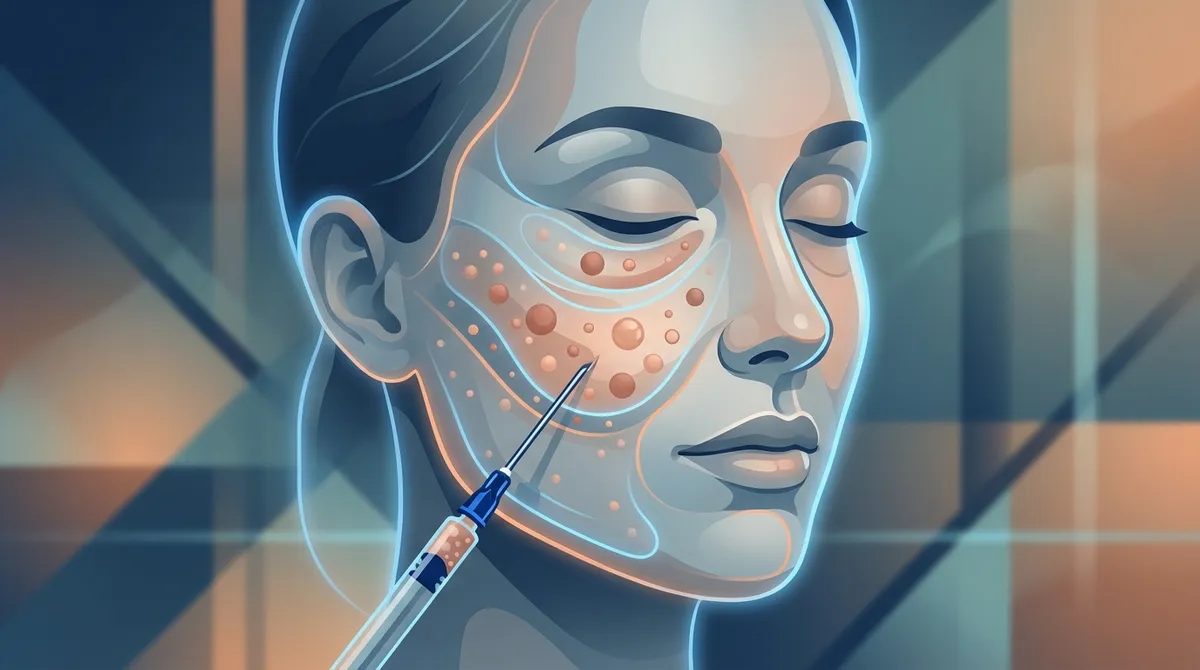
While neuromodulators address wrinkles caused by muscle movement, dermal fillers tackle static wrinkles by restoring lost volume and providing structural support beneath the skin. Think of fillers as scaffolding that props up sagging skin and fills in deep creases.
Hyaluronic acid (HA) fillers are the most popular type because they’re naturally occurring in your body, minimizing the risk of allergic reactions. These gel-like substances attract and hold water, plumping the skin and smoothing wrinkles immediately upon injection. Popular HA fillers include Juvederm, Restylane, and their various formulations designed for specific facial areas.
Results are instant and typically last six to eighteen months, depending on the product used and the area treated. One major advantage of HA fillers is that they’re reversible—if you’re not satisfied with the results, an enzyme called hyaluronidase can dissolve the filler.
Products like Sculptra and Radiesse take a different approach by stimulating your body’s own collagen production over time. Rather than providing immediate volume, these fillers work gradually, with results developing over several weeks to months and lasting up to two years or more.
Collagen biostimulators are excellent for addressing overall facial volume loss and skin quality improvement, rather than just filling individual wrinkles. They’re particularly effective for cheek augmentation, temple filling, and improving skin texture throughout the face.
Newer filler techniques emphasize natural movement and contouring rather than overfilled, frozen looks. Skilled injectors place fillers strategically to restore youthful facial proportions while maintaining your unique features and expressions.
If you’re looking for treatments that address wrinkles by actually improving your skin’s underlying structure, energy-based devices offer impressive results without surgery. These technologies have advanced significantly, with improved safety profiles and reduced downtime compared to earlier generations.
Morpheus8 and similar RF microneedling devices combine mechanical injury with radiofrequency energy to trigger collagen and elastin production deep within the skin. Tiny needles create micro-channels while delivering RF energy to the dermis, stimulating your body’s natural healing response.
This treatment is among the fastest-growing non-surgical options for addressing mild to moderate skin laxity and wrinkles. Results develop gradually over three to six months as new collagen forms, with skin becoming firmer, smoother, and more youthful-looking. Most people benefit from a series of three to four treatments spaced four to six weeks apart.
Downtime is minimal—typically just a few days of redness and mild swelling—making it a popular choice for people who can’t take extended time off for recovery.
Laser treatments work by removing damaged outer layers of skin and stimulating collagen production in deeper layers. Options range from gentle treatments with minimal downtime to more aggressive resurfacing for dramatic results.
Fractional CO2 lasers create thousands of microscopic treatment zones in the skin, leaving surrounding tissue intact to speed healing. This technology offers comprehensive skin rejuvenation for deeper wrinkles and texture issues, with modern recovery protocols making the downtime more manageable than older ablative lasers.
Pico lasers use ultra-short pulse durations to target pigmentation and stimulate collagen with less thermal damage to surrounding tissue, resulting in gentler treatments with minimal downtime.
The CoolPeel® Treatment represents the latest innovation in CO2 laser technology, delivering powerful resurfacing benefits without the extended downtime traditionally associated with ablative lasers.
Ultherapy uses focused ultrasound energy to heat tissue deep beneath the skin’s surface, stimulating collagen production and creating a lifting effect over time. It’s particularly effective for brow lifting and improving skin laxity along the jawline and neck. Results develop gradually over two to three months and can last a year or more.
One of the most exciting trends in wrinkle treatment involves using your body’s own regenerative capabilities to improve skin quality and reduce signs of aging. These therapies work with your natural biology to stimulate collagen remodeling and cellular renewal.
PRP Therapy (platelet-rich plasma) involves drawing a small amount of your blood, processing it to concentrate the platelets, and then injecting or applying this platelet-rich solution to your skin. The growth factors in PRP promote collagen production, improve skin texture, and reduce fine lines.
When combined with microneedling—often called the “vampire facial”—PRP enhances the treatment’s effectiveness while minimizing allergic risks since you’re using your own biological material. Adoption of PRP treatments has grown significantly, with many patients appreciating the natural approach to skin rejuvenation.
Exosome therapy and stem-cell derived products represent the cutting edge of regenerative aesthetics. These treatments use signaling molecules and growth factors to enhance collagen remodeling and skin texture. While research is still evolving, early results show promise for improving wrinkles with low allergenic risk.
When non-surgical treatments can’t achieve your desired results—particularly for advanced skin laxity and deep wrinkles—surgical procedures offer the most dramatic and long-lasting solutions.
A facelift (rhytidectomy) addresses sagging skin, deep folds, and jowls by surgically tightening underlying tissues and removing excess skin. Modern facelift techniques focus on natural-looking results that restore youthful contours without the “pulled” appearance of older methods. Results can last ten years or more, though aging continues after surgery.
A brow lift specifically targets forehead wrinkles and sagging eyebrows. Traditional and endoscopic approaches are available, with endoscopic techniques using smaller incisions and resulting in shorter recovery times.
Surgery carries operative risks and requires significant recovery time—typically two to three weeks before you’ll feel comfortable in public, with full results appearing after several months once swelling resolves completely. However, for individuals with significant aging concerns, surgery provides comprehensive correction that non-surgical treatments simply cannot match.
The decision between surgical and non-surgical approaches depends on your age, degree of aging, personal goals, budget, and willingness to undergo surgery and recovery. Many people start with non-surgical treatments in their 30s and 40s, transitioning to surgical options later if needed.
The most effective approach to wrinkle treatment often involves combining multiple modalities to address different aspects of aging. Here’s how to develop a strategy that works for your unique situation.
Your 30s are ideal for preventive treatments—establishing a solid skincare routine with retinoids and sunscreen, along with occasional Botox to prevent deep wrinkles from forming. In your 40s and 50s, you might add dermal fillers for volume loss and energy-based devices like Morpheus8 to improve skin quality. By your 60s and beyond, you may benefit from more comprehensive treatments, including surgical options if desired.
Wrinkle treatments range dramatically in cost and maintenance requirements. Topical products are the most affordable but require daily application indefinitely. Injectable treatments cost more upfront but need repeat sessions every few months. Energy-based devices involve higher initial costs but may require fewer maintenance sessions. Surgery has the highest upfront cost but the longest-lasting results.
Be realistic about what you can maintain long-term. It’s better to start with treatments you can consistently afford rather than beginning an expensive regimen you’ll struggle to maintain.
Your lifestyle and work commitments play a huge role in treatment selection. Injectables offer the convenience of minimal to no downtime, while laser resurfacing might require several days to a week off work. Surgery demands two to three weeks of recovery. Choose treatments that fit your schedule and social comfort level during the healing process.
The skill and experience of your provider significantly impacts your results and safety. Look for board-certified dermatologists, plastic surgeons, or trained medical professionals working under physician supervision. Don’t be tempted by discount treatments from inexperienced providers—your face deserves expert care.
During your consultation, discuss your goals honestly and ask about realistic outcomes, potential risks, and what results you can expect. A reputable provider will never pressure you into treatments you don’t need or want.
Here’s something important to understand: no wrinkle treatment will make you look 20 years old again if you’re 50. However, the right treatments can absolutely help you look like the best, most refreshed version of yourself at any age.
Most non-surgical treatments produce subtle, gradual improvements rather than dramatic overnight transformations. You’ll need multiple sessions for optimal results, and maintenance treatments are essential to preserve your improvements. Think of wrinkle treatments as an ongoing investment in your appearance, not a one-time fix.
That said, the psychological benefits of feeling more confident in your appearance are absolutely real and valuable. If wrinkles are affecting how you feel about yourself, addressing them through safe, effective treatments is a completely valid choice.
You’ve now got a comprehensive understanding of wrinkle treatment options available in 2025—from simple topical products to advanced regenerative therapies and surgical procedures. The key is choosing treatments that align with your specific concerns, lifestyle, budget, and aesthetic goals.
Remember that the best results often come from combining complementary treatments: a solid at-home skincare routine with retinoids and sunscreen, strategic use of injectables for dynamic and static wrinkles, and periodic energy-based treatments to improve overall skin quality. This multi-layered approach addresses aging from multiple angles for comprehensive, natural-looking rejuvenation.
Don’t forget to check out before & after gallery examples to see real results from various treatments. And when you’re ready to explore your options further, connecting with experienced professionals who can assess your skin and recommend personalized solutions is invaluable.
At Enhanced Aesthetics & Wellness in Pahrump, Nevada, we understand that every face tells a unique story, and your treatment plan should be just as individual. Our state-of-the-art facility offers the latest non-surgical cosmetic treatments, from Botox and dermal fillers to advanced Morpheus8 treatments and more. We’re committed to enhancing your natural beauty while helping you feel confident and comfortable in your skin.
Your journey to smoother, more youthful-looking skin starts with a single step. Whether you’re curious about preventive treatments or ready to address existing wrinkles, professional guidance can help you navigate your options with confidence. You can visit us on Google to see what our clients are saying about their experiences, and when you’re ready to take action, schedule your personalized consultation to discover which wrinkle treatments will help you achieve your aesthetic goals. Your best skin is waiting!
Q: What’s the difference between Botox, Dysport, and Xeomin for treating wrinkles?
A: All three are botulinum toxin formulations that work similarly by temporarily relaxing facial muscles to smooth dynamic wrinkles. The main differences lie in their protein structures and how quickly they take effect—Dysport may spread more and work slightly faster, while Xeomin contains no accessory proteins. Results typically last three to four months with any of these options, though individual responses vary. Your provider can recommend which option best suits your specific needs and treatment areas.
Q: How long does it take to see results from different wrinkle treatments?
A: Results timelines vary significantly by treatment type. Injectables like Botox show results within three to seven days, while dermal fillers provide immediate volume restoration. Energy-based treatments like RF microneedling and lasers stimulate collagen gradually, with visible improvements developing over three to six months. Topical retinoids require consistent use for at least three months before noticeable changes appear. Patience is essential—collagen-building treatments deliver their best results over time as your skin naturally regenerates.
Q: Can I combine multiple wrinkle treatments safely?
A: Absolutely! Combining complementary treatments often produces the most comprehensive and natural-looking results. Many people successfully pair Botox for dynamic wrinkles with dermal fillers for volume loss, or add RF microneedling to improve overall skin texture and stimulate collagen production. However, timing matters—some treatments should be spaced apart to allow proper healing. Always work with an experienced provider who can design a safe, strategic treatment plan tailored to your specific goals and ensure treatments are properly sequenced.
Q: What’s the typical downtime for non-surgical wrinkle treatments?
A: Most non-surgical treatments involve minimal downtime. Injectables like Botox and fillers typically cause only mild swelling or bruising that resolves within a few days, and you can resume normal activities immediately. RF microneedling usually requires two to five days of redness and mild swelling. Laser treatments vary—gentler options have minimal downtime, while more aggressive resurfacing may require five to seven days of healing. Your provider can help you choose treatments that fit your schedule and social commitments.
Q: At what age should I start considering wrinkle treatments?
A: There’s no universal “right age” since it depends on your individual concerns and goals. Many people in their late 20s and early 30s start preventive treatments like Botox to slow the formation of deep expression lines, while establishing good skincare habits with retinoids and daily sunscreen. If you’re bothered by wrinkles at any age, that’s reason enough to explore your options. The key is starting with treatments appropriate to your current skin condition—preventive measures work differently than corrective procedures for established wrinkles.
Transform your life with weight loss injections at Enhanced Aesthetics & Wellness. Safe, effective, and tailored for lasting results.

Revitalize your vitality with testosterone therapy for men. Discover the key to enhanced strength, stamina, and confidence today. Understanding Testosterone and Its Importance for Men
