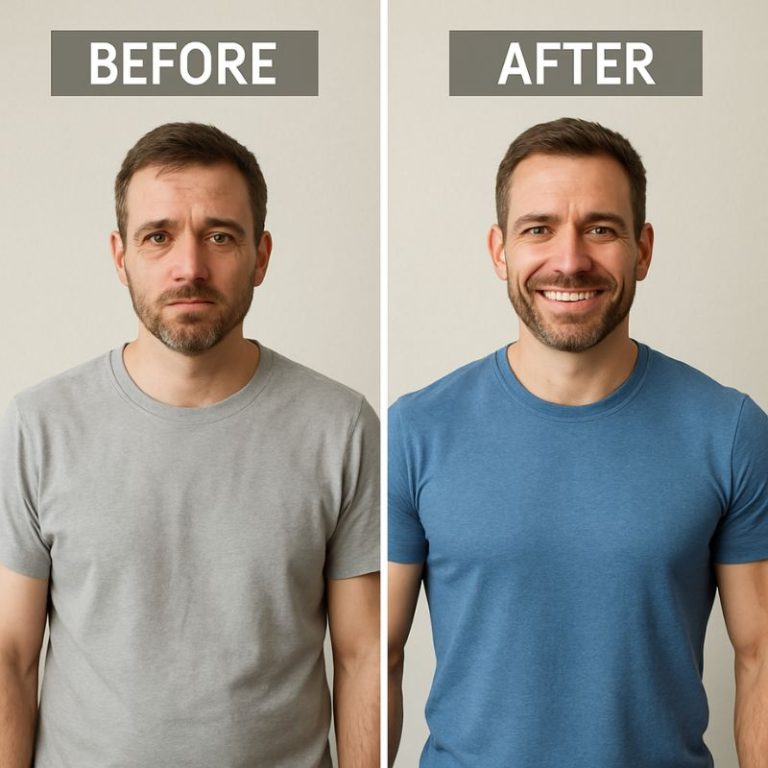
What Is Testosterone Therapy? Signs You Might Need It
Discover what Testosterone Therapy is, signs you may need it, and how it can boost energy, mood, and overall health in men.


Botox is a purified protein that temporarily relaxes muscles, reducing wrinkles and treating medical conditions like migraines and excessive sweating.
Treatments are quick, taking only 10-15 minutes, with results appearing within 3-7 days and lasting 3-6 months.
Preventative Botox is increasingly popular among younger adults to stop wrinkle formation before deep lines develop.
Medical applications include treating chronic migraines, excessive sweating, muscle spasticity, and various neurological conditions.
Always choose a licensed healthcare professional for Botox injections to ensure safety and optimal results.
Costs range from $10-$20 per unit, with treatment prices varying based on the targeted area and number of units needed.
If you’ve ever wondered about those smooth, wrinkle-free faces you see everywhere, chances are Botox played a role. But what exactly is Botox? Is it safe? And is it right for you?
Botox has become the most popular cosmetic procedure in the United States. It’s not just about looking younger—it also helps millions of people manage medical conditions like chronic migraines and excessive sweating. In this guide, we’ll break down everything you need to know about Botox in simple terms, so you can make an informed decision about whether this treatment fits your wellness goals.
Whether you’re considering your first treatment or just curious about what all the buzz is about, you’re in the right place. Let’s explore what makes Botox such a game-changer in both cosmetics and medicine.
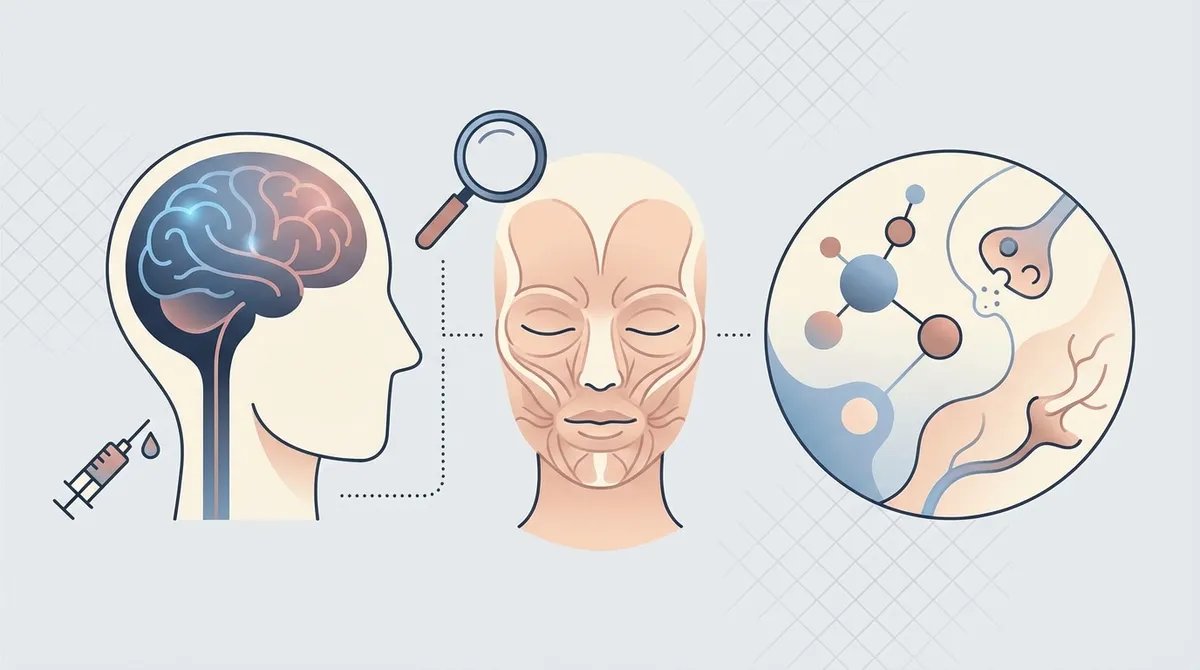
Botox is the brand name for a purified protein called onabotulinumtoxinA. It comes from a bacterium called Clostridium botulinum. Before you get worried about the word “toxin,” know that Botox has been used safely for decades. The FDA first approved it back in 1989 for eye conditions.
Think of Botox as a temporary muscle relaxer. When a trained professional injects small amounts into specific muscles, it blocks the signals that make those muscles contract. This creates a smoother, more relaxed appearance. The effect isn’t permanent—it typically lasts between three to six months.
The beauty of Botox lies in its versatility. It’s not just for celebrities or special occasions. Regular people use it to feel more confident, manage pain, or address specific medical issues. At Enhanced Aesthetics & Wellness in Pahrump, Nevada, we see clients from all walks of life who benefit from Botox treatments.
The science behind Botox is fascinating yet simple. Your muscles move when your nerves send chemical signals. The main messenger is called acetylcholine. Botox blocks these signals temporarily.
Here’s what happens step by step:
The treatment is quick—usually taking just 10-15 minutes. Most people describe the sensation as a small pinch. There’s no downtime, so you can return to your daily activities right away.

When most people think about Botox, they picture wrinkle reduction. And they’re absolutely right. Botox has been FDA-approved for cosmetic use since 2002, and it remains the gold standard for treating dynamic wrinkles.
Dynamic wrinkles are those lines that appear when you make facial expressions. They’re caused by repeated muscle movements over the years. Common areas where Botox works wonders include:
What’s great about Botox is that it doesn’t freeze your face. When done correctly by an experienced provider, you’ll still have natural expressions. You’ll just look refreshed and more rested. Many clients tell us they love that people notice they look great but can’t quite pinpoint why.
Here’s something interesting: more younger adults are using Botox as prevention. The idea is simple—if you stop those repeated muscle movements early, deep wrinkles won’t form in the first place.
People in their late twenties and early thirties are increasingly trying preventative Botox. They’re not treating existing wrinkles. Instead, they’re keeping new ones from forming. Think of it as maintenance rather than repair.
This approach has become especially popular among millennials and Gen Z clients who view aesthetic treatments as part of their regular self-care routine. It’s like going to the gym or eating healthy—you’re investing in your future appearance.

What many people don’t realize is that Botox treats serious medical conditions too. In fact, it was first developed for medical purposes before anyone discovered its cosmetic benefits. The FDA has approved Botox for numerous medical applications.
If you suffer from chronic migraines—that’s 15 or more headache days per month—Botox might offer relief. It’s been a game-changer for many migraine sufferers. Doctors inject Botox into specific areas around the head and neck every three months.
Patients often report fewer migraine days and less intense pain. While it doesn’t cure migraines, it significantly improves quality of life for many people. The treatment works by blocking pain signals before they reach nerve endings.
Excessive sweating can be embarrassing and frustrating. Botox treats hyperhidrosis in areas like the underarms, palms, and feet. It works by blocking the nerves that activate sweat glands.
Results typically last 4-6 months. Many people say this treatment has dramatically improved their confidence and daily comfort. No more worrying about sweat stains or clammy handshakes.
Botox also treats:
These medical uses show just how versatile and valuable Botox can be. It’s not just about appearance—it’s about improving health and wellness.

While “Botox” is the household name, several brands use botulinum toxin type A. They’re all similar but have slight differences. Here’s a quick comparison:
| Brand Name | Manufacturer | Duration | FDA Approval Year |
|---|---|---|---|
| Botox | Allergan | 3-6 months | 1989 (medical), 2002 (cosmetic) |
| Dysport | Galderma | 3-5 months | 2009 |
| Xeomin | Merz | 3-6 months | 2010 |
| Jeuveau | Evolus | 3-4 months | 2019 |
| Daxxify | Revance | 6-9 months | 2022 |
Each product has its own formulation and characteristics. Your provider will recommend the best option based on your needs, treatment area, and desired results. The most important factor isn’t the brand—it’s the skill and experience of the person doing the injections.
Wondering what actually happens during a Botox appointment? Let’s walk through it together. The process is straightforward and much less intimidating than you might think.
Your journey starts with a consultation. This is where you’ll discuss your goals and concerns. A qualified provider will examine your face or the treatment area, answer your questions, and create a customized plan.
You’ll need to share your medical history. Tell your provider about:
Your provider might ask you to avoid blood thinners like aspirin or ibuprofen for a few days before treatment. This helps reduce bruising risk.
On treatment day, here’s what happens:
Most people describe the sensation as a quick pinch or bee sting. It’s brief and very tolerable. Some areas are more sensitive than others, but overall, discomfort is minimal.
Recovery is easy because there really isn’t any downtime. You can go right back to work or run errands. However, follow these guidelines:
You might experience minor redness, swelling, or bruising at injection sites. These effects typically disappear within a few hours to a day. Ice packs can help if needed.
Patience is key with Botox. Unlike dermal fillers that show immediate results, Botox takes a bit longer to work its magic.
Here’s the typical timeline:
Most people schedule their next appointment around the 3-4 month mark. Regular treatments can actually train your muscles to relax, meaning you might need less Botox over time or enjoy longer-lasting results.
Botox has an excellent safety record when administered by qualified professionals. Millions of treatments are performed each year with very few complications. That said, it’s important to understand potential side effects.
These are usually mild and temporary:
Botox isn’t right for everyone. You should not get Botox if you:
Always have an honest conversation with your provider about your health history. This ensures you’re a good candidate and helps avoid complications.
This is crucial for safety and results. Only receive Botox from licensed healthcare professionals—doctors, nurse practitioners, or physician assistants trained in aesthetic injections. At Enhanced Aesthetics & Wellness, our experienced team specializes in customized treatments that enhance your natural beauty safely.
Red flags to avoid include:
Botox pricing varies based on several factors. Most providers charge either by the unit or by the area treated. Understanding costs helps you budget appropriately.
| Treatment Area | Typical Units Needed | Frequency |
|---|---|---|
| Frown lines (glabella) | 20-30 units | Every 3-4 months |
| Forehead lines | 10-20 units | Every 3-4 months |
| Crow’s feet | 12-24 units (both sides) | Every 3-4 months |
| Full face treatment | 40-60 units | Every 3-4 months |
Costs typically range from $10-$20 per unit. So a treatment for frown lines might cost $200-$600. Keep in mind that investing in an experienced provider is worth every penny. Poor technique can lead to unsatisfactory results or complications.
Many practices offer membership programs or package deals that make regular treatments more affordable. Ask about special promotions or loyalty programs during your consultation.
Botox is amazing, but it’s not the only anti-aging treatment available. Understanding your options helps you make the best decision for your goals.
These are the two most common injectable treatments, but they work differently:
Many people use both. Botox smooths the upper face (forehead, between brows, around eyes), while fillers restore volume in cheeks, lips, and nasolabial folds. Your provider can recommend the best combination for your needs.
Botox works beautifully alongside other procedures. Consider combining it with:
A comprehensive treatment plan addresses multiple signs of aging for the most natural, youthful results.
Don’t just take our word for it. Thousands of satisfied clients share their positive experiences with Botox every day. Many report feeling more confident, looking more refreshed, and receiving compliments on their appearance.
For medical uses, the testimonials are even more powerful. Chronic migraine sufferers describe finally finding relief after years of pain. People with hyperhidrosis talk about regaining their confidence in social situations. These aren’t just cosmetic improvements—they’re life-changing results.
If you want to see real transformations, check out our before and after gallery to see the natural-looking results our clients achieve. You can also follow us on Instagram for regular updates and client stories.
Only you can decide if Botox fits into your wellness and beauty routine. Here are some questions to ask yourself:
If you answered yes to most of these questions, Botox might be perfect for you. The best way to know for sure is to schedule a consultation with a qualified provider who can assess your individual situation and goals.
Botox is more than just a wrinkle treatment—it’s a proven solution for both cosmetic concerns and medical conditions. With over 30 years of safe use and millions of satisfied patients, it’s earned its reputation as the gold standard in aesthetic medicine.
Whether you’re interested in smoothing forehead lines, preventing future wrinkles, or finding relief from chronic migraines, Botox offers a safe, effective, and minimally invasive option. The key to great results is choosing an experienced provider who understands your unique needs and goals.
At Enhanced Aesthetics & Wellness in Pahrump, Nevada, we’re passionate about helping our clients look and feel their best. Our team combines expertise with a personalized approach to deliver natural-looking results you’ll love. We believe everyone deserves to feel confident in their own skin.
Ready to discover what Botox can do for you? Schedule your consultation today and take the first step toward a more refreshed, confident you. Still have questions? Don’t hesitate to reach out—we’re here to help guide you on your aesthetic journey. You can also visit our Google profile to see what our happy clients are saying about their experiences.
Q: How long does Botox take to work?
A: You’ll start seeing subtle improvements within 3-5 days after your Botox treatment. Full results appear around day 7-10, when wrinkles are smoothed and muscles are fully relaxed. The effects peak during weeks 2-12 and gradually wear off over 3-6 months. Most people schedule their next appointment around the 3-4 month mark to maintain their results.
Q: Does Botox hurt?
A: Most people describe Botox injections as a quick pinch or small bee sting. The needles used are very fine, and the entire procedure takes only 10-15 minutes. Discomfort is minimal and brief. Some providers offer numbing cream, though many clients find it unnecessary. Any mild pain disappears within seconds, making Botox one of the easiest aesthetic treatments to tolerate.
Q: Can Botox freeze my face?
A: No, when done correctly by an experienced provider, Botox will not freeze your face. You’ll still have natural facial expressions—you’ll just look more refreshed and relaxed. The goal is to soften wrinkles while maintaining your ability to show emotion. Skilled injectors carefully target specific muscles to achieve balanced, natural-looking results that enhance your features rather than creating a stiff or artificial appearance.
Q: What’s the difference between Botox and fillers?
A: Botox and fillers serve different purposes. Botox relaxes muscles to prevent dynamic wrinkles caused by facial expressions like frowning or squinting. Fillers add volume to fill in deep lines, plump lips, and restore fullness to areas that have lost volume with age. Many people use both treatments together—Botox for the upper face (forehead, crow’s feet) and fillers for the mid and lower face (cheeks, lips, nasolabial folds).
Q: How much does Botox cost?
A: Botox costs typically range from $10-$20 per unit, with most treatments requiring 10-60 units depending on the area. For example, treating frown lines might cost $200-$600, while a full face treatment could run $400-$1,200. Costs vary based on your location, the provider’s experience, and how many areas you’re treating. Many practices offer package deals or membership programs to make regular treatments more affordable.
Discover what Testosterone Therapy is, signs you may need it, and how it can boost energy, mood, and overall health in men.

Discover how to find the top Kybella Pahrump provider for safe, effective double chin treatment with expert guidance and real results.
