
PRF: The Natural Solution to Accelerated Healing
What is PRF? An Introduction to Platelet-Rich Fibrin As a Nurse Practitioner serving our community, I always seek innovative treatments to benefit my patients. One

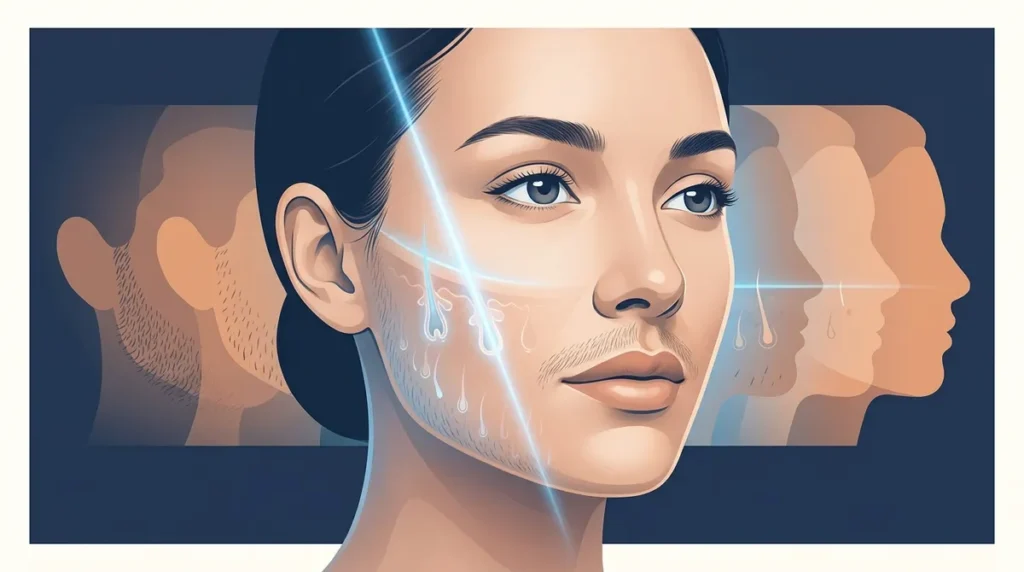
Laser hair removal delivers 80-90% permanent hair reduction by damaging follicles at the root, unlike temporary methods like shaving and waxing that cause skin irritation, ingrown hairs, and darkening over time.
Most patients require 6-8 sessions spaced several weeks apart to see major results, as the laser only works effectively during the active growth phase of hair cycles—expecting results after one session is a common mistake.
Always get a professional consultation to customize laser settings for your specific skin tone and hair type, as modern laser technology has advanced to safely treat all skin types with proper wavelength adjustment.
Follow strict pre- and post-treatment care: avoid sun exposure and waxing/plucking for 4 weeks before sessions, and skip heat-based activities for 24-48 hours after to maximize effectiveness and minimize side effects.
If you have excessive facial hair alongside hormonal symptoms like weight changes or irregular cycles, address the underlying hormonal imbalance (such as PCOS) with bioidentical hormone therapy combined with laser treatment for more lasting results.
Plan for maintenance sessions every 6-12 months after completing your initial treatment series, as hormonal fluctuations during menopause, pregnancy, or PCOS flare-ups may reactivate some follicles over time.
You’ve tried waxing. You’ve shaved. You’ve threaded. And yet, that unwanted facial hair keeps coming back — sometimes thicker, sometimes darker, always frustrating. Sound familiar? You’re not alone. Millions of people deal with this exact problem every day, and most of them are making the same key mistakes that keep them stuck in the endless cycle of temporary fixes.
Here’s the good news: laser hair removal offers a long-term solution that actually works. But even with this advanced treatment, there are common pitfalls that can reduce your results or make the process harder than it needs to be. Whether you’re brand new to the idea or already considering your first session, knowing what NOT to do is just as important as knowing what to do.
Let’s break down the 5 biggest facial hair removal mistakes — and exactly how to avoid them so you can finally get the smooth, confident results you deserve.
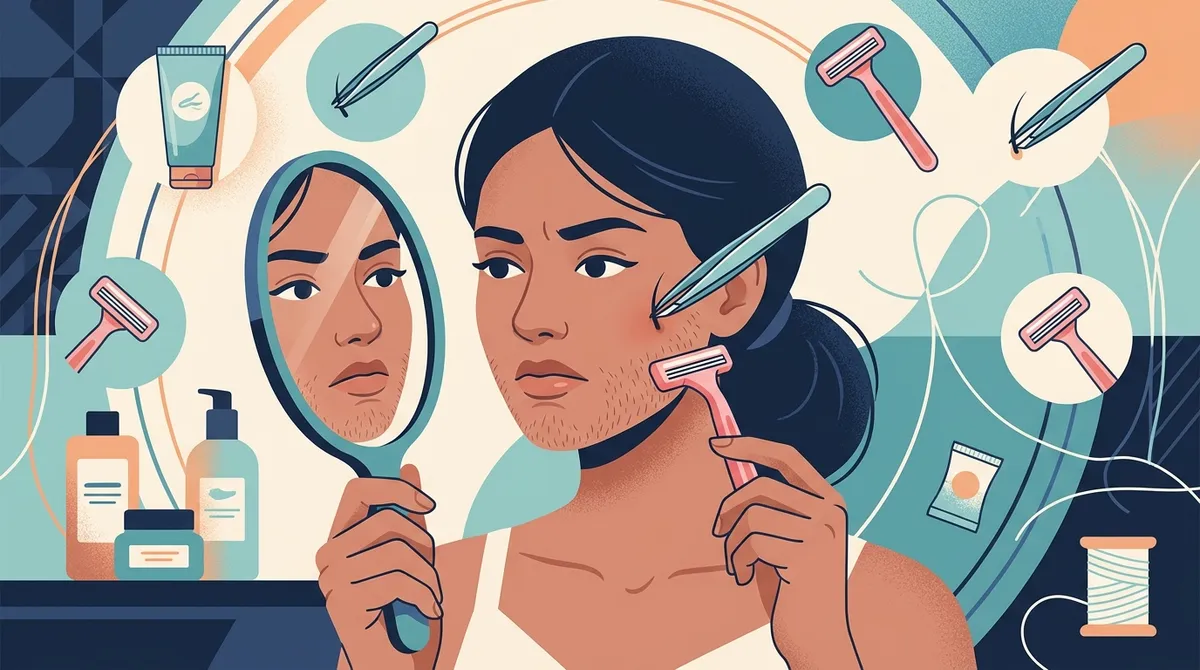
This is the most common mistake people make. Shaving, waxing, threading, and tweezing might feel like solutions — but they’re really just band-aids. They remove hair at the surface or the root temporarily, but they do nothing to stop the hair from growing back.
Shaving can cause micro-abrasions on delicate facial skin. Waxing and threading can trigger folliculitis (inflamed hair follicles), ingrown hairs, and chronic skin irritation. Over time, constant pulling and friction can even cause skin darkening and texture changes. That’s a lot of damage for something that only lasts a few days.
Laser hair removal works differently. It uses concentrated light energy to target the pigment inside the hair follicle. This damages the follicle at its root, reducing the hair’s ability to regrow. Clinical research shows an average of 80–90% permanent hair reduction after a full course of treatments. That’s a dramatic improvement over temporary methods that offer zero long-term benefit.
If you’re curious about how this treatment stacks up against other options, check out our article on whether laser hair removal is worth it — including real pros, cons, and results.
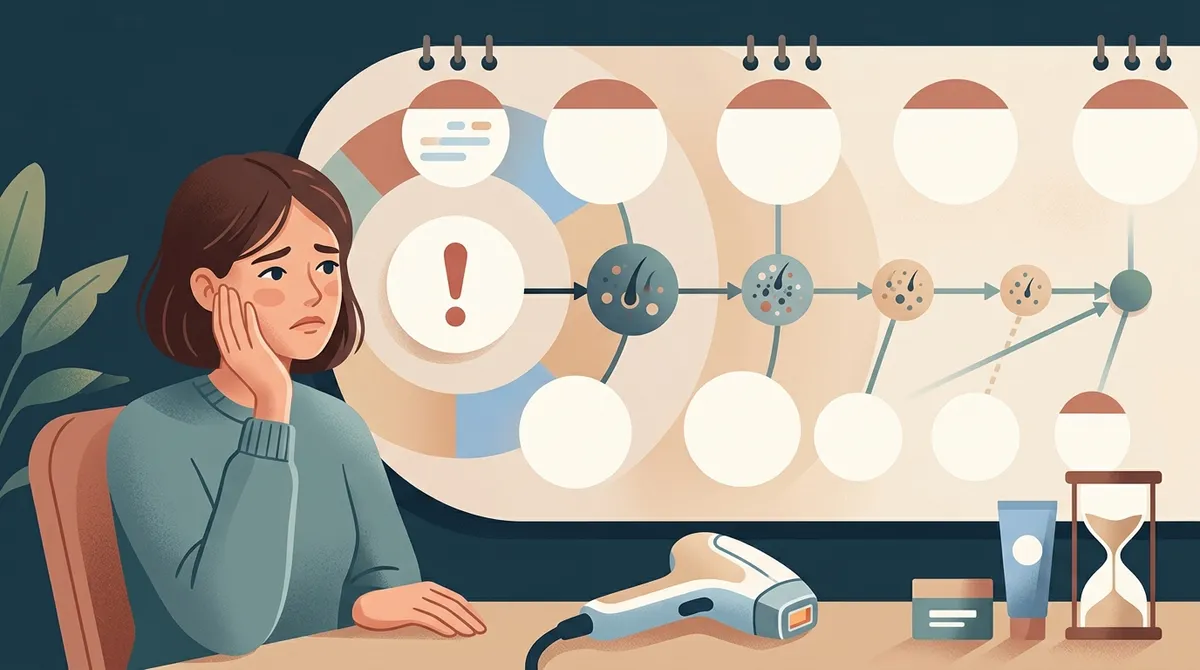
One of the biggest misconceptions about facial hair removal is expecting results after just one session. Many people book a single laser appointment, see only partial results, and give up — thinking the treatment didn’t work.
The truth is, laser hair removal is a process, not a one-time event. Hair grows in cycles: anagen (active growth), catagen (transition), and telogen (resting). Laser energy is most effective during the anagen phase. Since not all hairs are in the same phase at the same time, multiple sessions are needed to catch each follicle at the right moment.
Here’s what you need to know about the typical treatment timeline:
Most patients require 6–8 sessions spaced several weeks apart for optimal results, with some areas needing up to 10 sessions depending on hair type and hormonal factors. After treatment, remaining hairs shed over 3–10 days — this is completely normal and means the treatment is working.
For a deeper dive into how the process works, our guide on how laser hair removal works step by step is a great starting point.
Not all laser treatments are the same — and not all skin and hair combinations respond the same way. Many people skip the consultation step and assume any laser will work for their skin. This is a serious mistake that can lead to ineffective results or, in some cases, skin damage.
Modern laser technology has advanced significantly. Today’s systems use cooling technology to protect the skin surface during treatment, making laser hair removal safe for a wide range of skin tones. However, the specific wavelength and settings must be customized to your skin and hair type by a trained professional.
Here’s what affects your treatment plan:
This is exactly why a thorough consultation is so important before starting treatment. A qualified provider will assess your skin and hair characteristics and build a customized plan just for you.
Many people are surprised by how many facial areas can be safely treated. Small treatment zones take only minutes per session, making this incredibly convenient — even for busy professionals.
| Treatment Area | Typical Session Time | Common Candidates |
|---|---|---|
| Upper Lip | 5–10 minutes | Women, individuals with PCOS |
| Chin | 5–15 minutes | Women, men (precise shaping) |
| Cheeks / Sideburns | 10–20 minutes | Men and women alike |
| Neck / Jawline | 10–20 minutes | Men, women, transgender individuals |
| Full Face | 30–45 minutes | Hirsutism, hormonal hair growth |
Whether you’re dealing with a few chin hairs or more extensive facial hair from a hormonal condition, there’s a treatment plan that fits your goals. Learn more about laser hair removal treatment areas and what results you can expect from each zone.
This mistake is surprisingly common — and it can seriously undermine your results. Many people book their laser sessions but don’t follow the preparation and aftercare guidelines. This reduces effectiveness and increases the risk of side effects.
Here’s what proper care looks like before and after facial hair removal sessions:
Before Your Session:
After Your Session:
The good news? There’s no real downtime after laser facial hair removal. Most people return to their normal routine the same day. You may notice treated hairs shedding over the next 3–10 days — that’s the treatment doing exactly what it’s supposed to do.
This is the mistake most people never even think about. If you have excessive facial hair growth — particularly on the chin, upper lip, or neck — there may be a hormonal reason behind it. Conditions like Polycystic Ovary Syndrome (PCOS) cause elevated androgen levels, which trigger hirsutism (excessive hair growth in areas where it typically grows for men).
Laser hair removal is highly effective for managing PCOS-related facial hair. It provides long-term reduction and gives patients relief from the emotional and physical burden of constant hair management. However, if the underlying hormonal imbalance isn’t addressed, hair may continue to grow — and more maintenance sessions may be needed.
This is why a holistic approach matters. Treatments like BioTE Bioidentical Hormone Replacement Therapy can help balance hormones at the root level. When combined with laser hair removal, this approach gives patients far more comprehensive and lasting results.
If you’re dealing with hair growth alongside other hormonal symptoms — weight changes, fatigue, mood shifts, or irregular cycles — it’s worth exploring whether hormone imbalance is playing a role. You can read more about hormonal approaches to wellness on our Facebook page, where we regularly share tips, insights, and patient stories.
Laser hair removal isn’t just for one type of person. In 2026, it’s one of the most popular aesthetic treatments worldwide — and for good reason. Here’s a quick look at who benefits most:
No matter your age, skin tone, or reason for seeking treatment, the most important first step is connecting with a qualified provider who can assess your needs and guide your journey. Follow us on our Instagram to see real results and get inspired by what’s possible.
If you’ve never had a laser treatment before, it’s completely normal to feel a little nervous. Here’s a simple walkthrough of what the experience is actually like:
After your session, the treated area may look slightly pink or feel warm — similar to a mild sunburn. This fades quickly, and you’ll be on your way with no downtime required. It’s one of the most convenient treatments available at a med spa today.
If you’re ready to stop wasting time and money on temporary fixes, laser hair removal in Pahrump, NV is available right here at Enhanced Aesthetics & Wellness. Our team is here to answer every question and build a plan that works for your unique skin and hair profile.
After completing your initial series of sessions, most patients enjoy smooth, hair-free skin with very little upkeep. But it’s important to understand what long-term maintenance looks like.
Because hair growth can be influenced by hormones — especially during life changes like menopause, pregnancy, or PCOS flare-ups — some follicles may become active again over time. Spot maintenance sessions every 6–12 months are often recommended to keep results optimal.
Think of it like this: the heavy lifting is done during your initial treatment series. Maintenance is just light upkeep to stay ahead of any new growth. Many patients find that even after maintenance, they’re still experiencing a fraction of the hair they once had — and none of the daily irritation that came with constant shaving or waxing.
For a broader look at how long results actually last, our article on how long laser hair removal lasts covers everything you need to know.
You don’t have to keep fighting the same battle every week. Laser facial hair removal is FDA-approved, safe for all skin types, and delivers results that temporary methods simply can’t match. Avoiding the 5 mistakes we’ve covered today will put you on the fastest path to smooth, confident skin.
At Enhanced Aesthetics & Wellness in Pahrump, Nevada, our team specializes in customized laser hair removal treatments designed around your unique needs. We take pride in creating a warm, welcoming environment where every patient feels comfortable and cared for. Visit us on Google — Enhanced Aesthetics & Wellness to read our reviews and see why our clients trust us with their aesthetic goals.
We also offer a full range of complementary treatments — from Morpheus8 for skin tightening to SkinPen Microneedling for texture and tone — so your skin can look and feel its absolute best from every angle.
Ready to get started? Book your consultation today and take the first step toward smooth, hair-free skin that lasts. Our friendly team is ready to welcome you and build a treatment plan tailored just for you.
Q: Is laser facial hair removal permanent?
A: Laser hair removal delivers what’s clinically called ‘permanent hair reduction’ — meaning most patients see an 80–90% reduction in facial hair after completing their full course of treatments. While it may not eliminate every single hair forever, most people enjoy smooth, nearly hair-free skin long-term. Some maintenance sessions every 6–12 months may be needed, especially if hormonal factors are involved.
Q: How many sessions does it take to remove facial hair with laser?
A: Most patients need 6–8 sessions for optimal results, though some areas or hair types may require up to 10 sessions. Sessions are spaced several weeks apart to target hair in its active growth phase. The good news is that each session typically brings you closer to significantly smoother skin — so the results just keep improving!
Q: Can laser hair removal help with PCOS-related facial hair?
A: Absolutely! Laser hair removal is one of the most effective long-term solutions for managing excessive facial hair caused by PCOS-related hormonal imbalances. It reduces hair growth significantly and saves patients from the daily frustration of shaving or waxing. For the best results, pairing laser treatments with a hormonal wellness approach — like bioidentical hormone therapy — can help address the root cause as well.
Q: Is laser hair removal safe for all skin types?
A: Yes! Modern laser technology, combined with advanced cooling systems, makes facial hair removal safe for a wide range of skin tones and types. The key is working with a trained professional who can customize the laser settings to your specific skin and hair characteristics. That’s exactly why a proper consultation before starting treatment makes such a big difference.
Q: Does laser facial hair removal hurt?
A: Most patients describe the sensation as a quick snap or mild sting — similar to a rubber band flicking against the skin. It’s generally very well tolerated, especially with the cooling technology built into modern laser devices. Small facial areas like the upper lip take under 10 minutes, so even if there’s some mild discomfort, it’s over very quickly!
What is PRF? An Introduction to Platelet-Rich Fibrin As a Nurse Practitioner serving our community, I always seek innovative treatments to benefit my patients. One

Achieve body positivity with aesthetic and wellness treatments in Pahrump, NV. Enhance confidence with personalized care.
