
How to Choose the Right Wrinkle Treatment for Your Skin
Discover proven wrinkle treatments from topicals to injectables. Learn how to select the best option for your skin type, age, and aesthetic goals in 2025.


Laser resurfacing offers targeted skin renewal by removing damaged outer layers and stimulating natural healing, addressing issues like fine lines, sun damage, and scars.
Choose a provider with medical credentials, extensive experience, and modern laser technology like Sciton or DEKA for optimal, safe results.
Treatment costs range from $500-$5,000 depending on laser type, area treated, and number of sessions; many clinics offer package deals and financing.
Prepare for treatment by avoiding sun exposure, stopping certain medications, and following a recommended pre-treatment skincare routine.
Recovery varies by treatment type, with downtime ranging from minimal (BBL) to 1-2 weeks (Deep Laser Peel), requiring careful post-treatment skincare.
Combining laser resurfacing with treatments like Botox, fillers, or Morpheus8 can enhance overall skin rejuvenation and address multiple concerns simultaneously.
Post-treatment care is critical: keep skin moisturized, avoid sun exposure, use recommended medical-grade products, and attend follow-up appointments.
Are you searching for “resurfacing laser treatment near me” and feeling overwhelmed by all the options? You’re not alone! Many people want smoother, younger-looking skin but don’t know where to start. This guide will walk you through everything you need to know about laser resurfacing treatments in 2026, helping you make the best choice for your skin.
Laser resurfacing has become one of the most popular ways to refresh your appearance without surgery. Whether you’re dealing with fine lines, sun damage, acne scars, or uneven skin tone, these treatments can help. But with so many providers and different laser types available, how do you pick the right one?
Think of this article as your friendly roadmap to beautiful skin. We’ll cover the different types of laser treatments, what to look for in a provider, and how to prepare for your appointment. By the end, you’ll feel confident about taking the next step toward glowing, rejuvenated skin.

Laser resurfacing uses focused light energy to improve your skin’s appearance. The laser removes damaged outer layers of skin while heating the deeper layers. This process triggers your body’s natural healing response, which creates fresh, new skin cells.
There are two main categories of laser resurfacing: ablative and non-ablative. Ablative lasers remove thin layers of skin and work well for deeper wrinkles and scars. Non-ablative lasers work beneath the skin’s surface without removing layers, making them gentler with less downtime.
In 2026, laser technology has advanced significantly. Modern treatments like CoolPeel® Treatment and traditional Deep Laser Peel options offer different benefits depending on your needs. The key is matching the right treatment to your specific skin concerns and lifestyle.

When you search for resurfacing laser treatment near you, you’ll discover several different types. Each one works differently and produces unique results. Here’s what you should know about the most common options:
CO2 lasers are considered the gold standard for dramatic results. They work by vaporizing damaged skin cells layer by layer. This treatment addresses deep wrinkles, significant sun damage, and stubborn scars. The Deep Laser Peel uses CO2 technology to create impressive transformations.
Recovery time is longer with CO2 treatments, usually one to two weeks. However, the results can last for years. Many people choose this option when they want maximum improvement and can plan for downtime.
Fractional lasers treat only a fraction of your skin at a time, leaving surrounding tissue untouched. This approach speeds healing and reduces side effects. Popular fractional treatments include Nanolaser Peel and Microlaser Peel options.
These treatments work well for moderate skin concerns like fine lines, mild scarring, and pigmentation issues. Recovery takes about three to five days, making them perfect for busy schedules.
BroadBand Light (BBL) technology uses intense pulsed light to target pigmentation and redness. The Sciton Joule BBL Treatment represents the latest advancement in this field. While not technically a laser, BBL produces excellent resurfacing effects.
BBL treatments require minimal downtime and work beautifully for sun damage and rosacea. Most people need a series of treatments for best results.
The DEKA Treatment platform offers cutting-edge options for skin resurfacing in 2026. These newer technologies often combine multiple wavelengths for customized results. They can address various concerns in a single session.
| Treatment Type | Downtime | Best For | Results Duration |
|---|---|---|---|
| Deep Laser Peel | 1-2 weeks | Deep wrinkles, severe sun damage | 5-10 years |
| Microlaser Peel | 3-5 days | Fine lines, mild scarring | 1-2 years |
| Nanolaser Peel | 1-2 days | Texture, pigmentation | 6-12 months |
| BBL Treatment | Minimal | Sun damage, redness | 1-2 years |

Finding the right provider matters just as much as choosing the right treatment. Here’s how to evaluate medical spas and clinics near you:
Look for providers with proper medical credentials. Licensed medical professionals like doctors, nurse practitioners, or physician assistants should perform your treatment. Ask how many laser resurfacing procedures they’ve done.
Experience makes a huge difference in results. A skilled provider understands how different skin types respond to treatment. They can adjust settings for your unique needs and avoid complications.
Request to see real patient results. A reputable provider will have a before & after gallery showing various skin types and concerns. Pay attention to patients who look similar to you.
Photos don’t lie. They show the provider’s skill level and the realistic results you can expect. If a clinic can’t show you results, consider that a red flag.
Online reviews offer valuable insights into patient experiences. Check multiple platforms including Google, Facebook, and health-specific review sites. Look for consistent patterns in feedback.
Pay attention to comments about staff friendliness, cleanliness, and results. Many satisfied patients share their experiences on Google Business profiles, making it easy to research local providers.
Modern equipment produces better results with fewer side effects. Ask what laser systems the provider uses. Top brands include Sciton, Lumenis, and DEKA.
Providers who invest in the latest technology show commitment to quality care. They’re more likely to stay current with training and best practices.
Choose a provider you can easily reach for follow-up appointments. Laser resurfacing often requires multiple sessions. A convenient location makes it easier to complete your treatment plan.
Also consider the clinic environment. You should feel comfortable and welcomed. A clean, professional setting reflects the quality of care you’ll receive.

A thorough consultation helps you make informed decisions. Come prepared with these important questions:
Proper preparation leads to better results and faster healing. Follow these steps before your appointment:
Your provider may recommend starting a skincare routine weeks before treatment. This often includes products with retinol or hydroquinone. These ingredients prepare your skin for optimal results.
Stop using certain products like retinoids and acids three to five days before treatment. Your provider will give you specific instructions. Following them carefully prevents complications.
Avoid sun exposure for at least two weeks before treatment. Tanned or sunburned skin cannot be safely treated. Use broad-spectrum sunscreen daily, even on cloudy days.
Stop taking blood-thinning medications or supplements if approved by your doctor. These can increase bruising and bleeding. Common items to avoid include aspirin, ibuprofen, vitamin E, and fish oil.
Arrive with clean, makeup-free skin. Wear comfortable clothing that won’t irritate your face afterward. Bring sunglasses for the drive home, as your skin may be sensitive to light.
Arrange for someone to drive you home if you’re having sedation. Even without sedation, you may prefer not to drive immediately after treatment.
Understanding the treatment process eases anxiety. Here’s what typically happens during a laser resurfacing session:
Your provider will start by cleaning your skin and applying numbing cream. This takes about 30 to 45 minutes to work. Some deeper treatments may require oral pain medication or light sedation.
During the procedure, you’ll feel warmth and possibly some discomfort. Most people describe it as a rubber band snapping against the skin. The laser makes clicking sounds as it works.
Treatment time varies based on the area being treated. A full face might take 30 to 90 minutes. Your provider will keep you comfortable and check in frequently.
Right after treatment, your skin will feel hot and look red. Your provider will apply cooling treatments and protective ointments. They’ll give you detailed instructions for home care.
You’ll receive products to use during healing. These typically include gentle cleansers, healing ointments, and sunscreen. Follow instructions exactly for best results.
Proper aftercare determines your final results. Take recovery seriously for the beautiful skin you’re seeking:
Keep your skin moist with approved ointments. Apply them frequently, every two to three hours. This prevents scabbing and promotes healing.
Sleep with your head elevated on extra pillows. This reduces swelling. Avoid touching your face except when applying products with clean hands.
Your skin will peel and flake. This is normal and expected. Don’t pick at peeling skin, as this can cause scarring. Let it come off naturally.
Stay out of the sun completely. Even a few minutes of exposure can cause permanent pigmentation problems. Stay indoors as much as possible during peak healing.
Once healed, protect your investment with proper skincare. Use medical-grade products recommended by your provider. Daily sunscreen is non-negotiable for maintaining results.
Consider complementary treatments to enhance and maintain your results. Options like SkinPen Microneedling or ZO 3-Step Peel can extend the benefits of your laser treatment.
Laser resurfacing is an investment in yourself. Understanding costs helps you plan appropriately:
Treatment cost varies based on several factors. The type of laser, treatment area size, and number of sessions all affect pricing. Geographic location also plays a role, with urban areas typically costing more.
Provider experience influences cost too. Highly skilled practitioners may charge more, but their expertise often produces superior results. Remember that cheaper isn’t always better when it comes to your face.
In 2026, expect to pay between $500 and $5,000 per treatment. Light resurfacing like BBL typically costs $500 to $1,500 per session. Mid-depth treatments range from $1,500 to $3,000. Deep laser peels can cost $3,000 to $5,000 or more.
Many providers offer package deals for multiple sessions. Ask about these options, as they can save you money. Some clinics also provide financing plans to make treatments more affordable.
Many people achieve their best results by combining treatments. Here’s how laser resurfacing works with other popular procedures:
Botox and laser resurfacing complement each other beautifully. Botox smooths dynamic wrinkles from facial expressions, while lasers address texture and skin quality. Together, they create comprehensive facial rejuvenation.
Dermal Fillers restore lost volume that lasers can’t replace. Combining fillers with resurfacing gives you both volume and smooth, youthful skin texture.
Morpheus8 combines microneedling with radiofrequency energy. When paired with laser resurfacing, it provides both surface improvement and deeper tissue tightening. This combination works wonderfully for aging skin.
Regular SkinPen Microneedling sessions maintain laser results between treatments. Chemical peels like the ZO 3-Step Peel also help extend benefits. Your provider can create a comprehensive maintenance plan.
| Combination Treatment | Benefits | Timing |
|---|---|---|
| Laser + Botox | Smooths both texture and expression lines | Botox 2 weeks before or after laser |
| Laser + Fillers | Addresses volume loss and skin quality | Fillers 2-4 weeks after laser healing |
| Laser + Morpheus8 | Surface and deep tissue improvement | Can alternate treatments monthly |
| Laser + PRP Therapy | Enhanced healing and collagen production | PRP during or after laser treatment |
Like any medical procedure, laser resurfacing carries some risks. Being informed helps you make smart decisions:
Almost everyone experiences redness, swelling, and peeling. These are normal parts of healing, not complications. They typically resolve within one to two weeks.
Temporary changes in skin color can occur, especially in darker skin tones. Choosing an experienced provider who understands your skin type minimizes this risk.
Infection is possible but rare with proper aftercare. Follow your provider’s cleaning instructions carefully. Call immediately if you notice signs of infection like increasing pain, pus, or fever.
Scarring can occur if skin is picked or sun-damaged during healing. This is why following aftercare instructions is so important. Permanent pigmentation changes are also possible but uncommon with proper care.
Reach out immediately if you experience severe pain, excessive swelling, or signs of infection. Also call if you develop blisters, open sores, or severe itching. Most issues resolve easily when addressed promptly.
Understanding the results timeline helps you stay patient through the healing process:
Right after treatment, your skin will be red and swollen. You won’t see improvement yet. Think of this phase as the beginning of your transformation.
Peeling and flaking occur during this time. Once the dead skin sheds, you’ll notice smoother, brighter skin underneath. Many people start seeing visible improvement around day 10.
Your skin continues improving as new collagen forms. Redness fades to pink, then to your normal color. Texture improvements become more obvious. Friends might start commenting on your glowing skin.
This is when you see the full benefits. Collagen production peaks around three months. Fine lines continue smoothing, and skin tone becomes more even. Your skin looks naturally refreshed and youthful.
Results last for years with proper care. Sun protection and good skincare are essential. Many people maintain their results with annual touch-up treatments. Your provider can recommend the best maintenance schedule.
Not all laser treatments work the same for every skin type. Here’s what you need to know:
Fair skin responds well to most laser types. You can safely have aggressive treatments with excellent results. However, you’re also more prone to redness that lasts longer.
Medium skin tones need careful treatment selection. Certain lasers carry higher risk of pigmentation changes. Your provider should have extensive experience treating your skin type.
Darker skin requires specialized laser settings and possibly different laser types altogether. Not all providers have the expertise to safely treat darker skin. Ask specifically about their experience with your skin tone.
The CoolPeel® Treatment offers safer options for darker skin types. Newer technologies like DEKA Treatment also provide more flexibility across skin tones.
Finding the right provider makes all the difference in your laser resurfacing journey. Enhanced Aesthetics & Wellness in Pahrump, Nevada offers comprehensive laser treatments with experienced professionals. Their state-of-the-art technology and personalized approach ensure you receive the best possible care.
The team at Enhanced Aesthetics & Wellness understands that every person’s skin is unique. They take time to assess your specific concerns and recommend the most appropriate treatment. Whether you need a gentle Nanolaser Peel or a more aggressive Deep Laser Peel, they have the expertise and equipment to deliver outstanding results.
Their commitment to ongoing education means they stay current with the latest techniques and technologies. You can trust that you’re receiving care based on the most current best practices in medical aesthetics.
You’ve learned about different laser types, how to choose a provider, and what to expect. Now it’s time to take action toward the beautiful skin you deserve.
Start by scheduling consultations with providers near you. Meet them in person, ask questions, and trust your instincts. The right provider will make you feel comfortable and confident in their abilities.
Don’t rush your decision. Take time to compare options and understand all aspects of treatment. Remember that this is an investment in yourself that will pay dividends for years to come.
Your journey to smoother, younger-looking skin starts with that first consultation. The sooner you begin, the sooner you’ll enjoy the confidence that comes with beautiful, healthy skin. You can explore more transformative treatments and see real patient results in the comprehensive before & after gallery.
Ready to discover which laser resurfacing treatment is perfect for your skin? The experienced team at Enhanced Aesthetics & Wellness is here to guide you every step of the way. Schedule your personalized consultation today and take the first step toward the radiant, youthful skin you’ve been dreaming of. For more information or to discuss your specific concerns, reach out to our friendly team who will be happy to answer all your questions.
Q: How much does laser resurfacing typically cost near me?
A: Laser resurfacing costs vary based on treatment type and area treated. Expect to pay between $500 for light BBL treatments and up to $5,000 for deep CO2 laser peels. Many providers offer package deals and financing options to make treatments more affordable. The best way to get accurate pricing is to schedule a consultation with a local provider who can assess your specific needs.
Q: How long does it take to recover from laser resurfacing?
A: Recovery time depends on the depth of treatment. Light treatments like Nanolaser Peel require only one to two days of downtime. Medium-depth treatments need about three to five days. Deep laser peels require one to two weeks for visible healing, though your skin continues improving for months. Your provider will give you specific recovery expectations based on your chosen treatment.
Q: Is laser resurfacing safe for all skin types?
A: Laser resurfacing can be safe for most skin types when performed by an experienced provider. However, darker skin tones require special considerations and specific laser settings to avoid pigmentation issues. Always choose a provider with proven experience treating your specific skin type. During your consultation, ask to see before and after photos of patients with similar skin tones to yours.
Q: How long do laser resurfacing results last?
A: Results can last anywhere from six months to ten years depending on the treatment type and your skincare routine. Light treatments typically last six to twelve months, while deep laser peels can provide results for five to ten years. Proper sun protection, quality skincare products, and occasional maintenance treatments help extend your results. Your provider can recommend a maintenance schedule tailored to your goals.
Q: Can I combine laser resurfacing with other cosmetic treatments?
A: Yes, laser resurfacing works beautifully with other treatments like Botox, dermal fillers, and Morpheus8. Combining treatments often provides more comprehensive rejuvenation. However, timing matters—some treatments should be done before laser resurfacing, others after. Your provider will create a customized treatment plan that safely combines procedures for optimal results without compromising healing or effectiveness.
Discover proven wrinkle treatments from topicals to injectables. Learn how to select the best option for your skin type, age, and aesthetic goals in 2025.
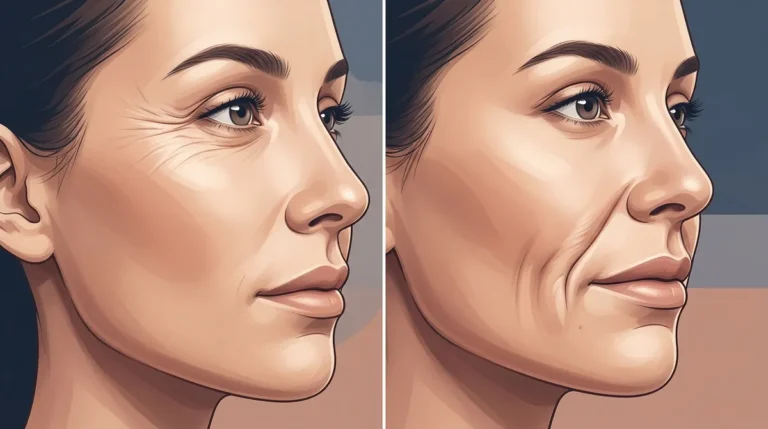
Learn how Botox on laugh lines works, when fillers are better, what results to expect, and how to get started at Enhanced Aesthetics & Wellness.
