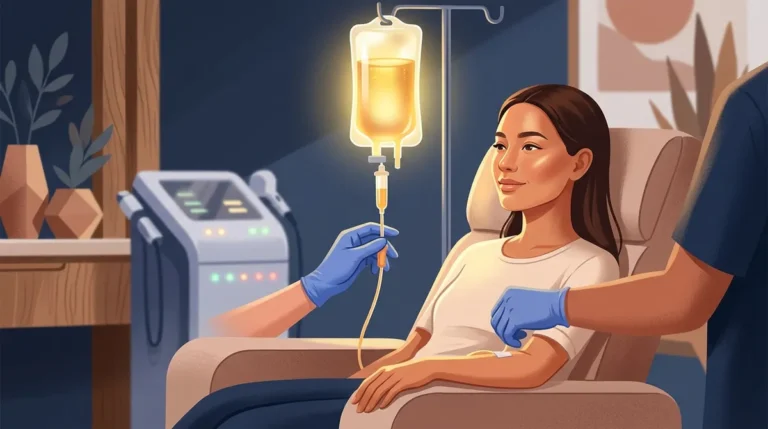
Where Can I Find IV Vitamin Infusion Therapy Near Me?
Discover how IV vitamin infusion therapy at a med spa near you can boost skin glow, speed up aesthetic recovery, and restore your energy fast.


Have you ever noticed dark patches or spots on your skin that seem to appear out of nowhere? You’re definitely not alone! Hyperpigmentation is one of the most common skin concerns affecting people of all ages and skin types. Whether it’s those stubborn age spots, melasma from pregnancy, or post-acne marks that just won’t fade, understanding what’s happening beneath your skin is the first step toward achieving a more even, radiant complexion.
Here’s the good news: hyperpigmentation is typically harmless and, more importantly, treatable! While it might feel frustrating when you’re dealing with these darker patches, there are numerous effective solutions available today. From professional treatments to at-home care routines, you have more options than ever to address your skin concerns. In this comprehensive guide, we’ll walk you through everything you need to know about hyperpigmentation—what causes it, how to prevent it, and the most effective treatment options to help you feel confident in your skin again.
Let’s dive into this journey together and discover how you can take control of your skin health with practical, science-backed information that actually works!

Hyperpigmentation is a common skin condition where certain areas of your skin become darker than the surrounding tissue. This happens when your skin produces excess melanin, the natural pigment that gives your skin its color. Think of melanin as your skin’s natural defense mechanism—it’s what creates that beautiful tan when you’re in the sun!
However, sometimes this melanin production goes into overdrive in specific spots, creating those darker patches we’re talking about. These dark spots can appear anywhere on your body, though they’re most commonly found on areas that get the most sun exposure, like your face, hands, and arms. The patches can range from small freckle-sized spots to larger areas covering significant portions of skin.
The intensity and appearance of hyperpigmentation can vary greatly from person to person. Some people notice light brown spots, while others develop much darker patches. Understanding your specific type of hyperpigmentation is crucial for finding the right treatment approach that works for you.

This type appears after your skin experiences some form of injury or inflammation. Got a pimple that left a dark mark behind? That’s PIH! It’s incredibly common and can result from acne, cuts, burns, or even aggressive skincare treatments. The good news is that PIH often fades on its own over time, though it can take several months to years depending on the severity.
Often called the “mask of pregnancy,” melasma creates larger patches of darkened skin, typically on the face. It’s strongly linked to hormonal changes, which is why pregnant women and those taking birth control pills frequently develop it. Sun exposure can make melasma significantly worse, so protection is absolutely essential!
These are those classic brown spots that tend to appear as we age, particularly on sun-exposed areas. Years of UV exposure accumulate, leading to these flat, brown marks. They’re sometimes called “age spots” or “liver spots,” though they have nothing to do with your liver health!

Understanding the root causes of hyperpigmentation empowers you to make better decisions about prevention and treatment. Here are the most common culprits:
Sun Exposure: This is the number one trigger! UV rays stimulate melanin production, leading to dark spots and uneven skin tone over time.
Hormonal Changes: Pregnancy, birth control pills, and hormone replacement therapy can all trigger melanin overproduction.
Inflammation: Any skin injury—acne, eczema, psoriasis, or even harsh skincare treatments—can leave dark marks behind.
Medications: Certain antibiotics, chemotherapy drugs, and anti-seizure medications can increase photosensitivity and trigger pigmentation changes.
Aging: As we get older, years of sun exposure catch up with us, and our skin’s ability to regenerate slows down.
Genetics: Some people are simply more prone to developing hyperpigmentation due to their genetic makeup and skin type.

They say an ounce of prevention is worth a pound of cure, and that’s absolutely true when it comes to hyperpigmentation! Here’s how you can protect your skin starting today:
If you take away just one thing from this article, let it be this: wear sunscreen every single day! Choose a broad-spectrum SPF 30 or higher and apply it generously to all exposed skin. Reapply every two hours when you’re outdoors, and don’t forget areas like your hands, neck, and chest. According to the American Academy of Dermatology, consistent sunscreen use can significantly reduce your risk of developing hyperpigmentation.
Avoid picking at pimples, scratching irritated skin, or using harsh scrubs that can cause inflammation. The more you can minimize skin trauma, the less likely you are to develop post-inflammatory hyperpigmentation. Treat your skin with kindness—it’s the only one you’ve got!
Incorporate products with brightening ingredients like vitamin C, niacinamide, and gentle exfoliants that promote cell turnover. These ingredients help prevent dark spots from forming in the first place and can gradually fade existing hyperpigmentation over time.
When prevention isn’t enough, or you’re dealing with existing dark spots, there are numerous treatment options available. Here’s what actually works:
Over-the-counter and prescription creams containing ingredients like hydroquinone, retinoids, azelaic acid, kojic acid, and vitamin C can help fade dark spots over time. These work by either inhibiting melanin production or increasing cell turnover to shed pigmented skin cells. Patience is key—most topical treatments require consistent use for at least 6-12 weeks before you see noticeable results.
Chemical peels use acids to remove the top layers of skin, revealing fresher, more evenly toned skin underneath. They’re particularly effective for treating surface-level hyperpigmentation and can provide dramatic results. At Enhanced Aesthetics & Wellness in Pahrump, Nevada, experienced professionals can customize peel treatments to match your specific skin type and concerns.
Advanced treatments like intense pulsed light (IPL) and laser therapy target melanin deposits beneath the skin’s surface. These technologies can effectively break up pigmentation, allowing your body to naturally eliminate the darkened cells. Results can be impressive, though multiple sessions are typically needed for optimal outcomes.
This innovative treatment creates tiny controlled injuries in the skin, triggering your body’s natural healing response and promoting collagen production. When combined with brightening serums, microneedling can significantly improve hyperpigmentation while enhancing overall skin texture and tone.
Every person’s skin is unique, which means there’s no one-size-fits-all approach to treating hyperpigmentation. What works beautifully for your friend might not be the best choice for you. That’s why consulting with skincare professionals who can assess your specific situation is so important.
During a consultation, professionals will evaluate your skin type, the severity and type of your hyperpigmentation, your lifestyle factors, and your treatment goals. They’ll then create a customized plan that might combine multiple approaches for the best results. Remember, treating hyperpigmentation is often a marathon, not a sprint—consistency and patience are your allies!
The team at Enhanced Aesthetics & Wellness specializes in creating personalized treatment plans that address each client’s unique concerns. With state-of-the-art technology and a commitment to natural-looking results, they can help guide you toward clearer, more radiant skin.
Beyond treatments and skincare products, certain lifestyle choices can significantly impact your hyperpigmentation and overall skin health:
Stay Hydrated: Drinking plenty of water helps your skin maintain its natural barrier function and supports the cell turnover process.
Eat Antioxidant-Rich Foods: Berries, leafy greens, and foods high in vitamins C and E can help protect your skin from oxidative stress.
Manage Stress: Chronic stress can trigger inflammatory responses that may worsen hyperpigmentation.
Get Quality Sleep: Your skin repairs itself while you sleep, making adequate rest essential for healthy, even-toned skin.
Avoid Smoking: Smoking restricts blood flow to the skin and can worsen discoloration over time.
According to research from the National Institutes of Health, lifestyle factors play a crucial role in skin health and can enhance the effectiveness of professional treatments.
While some cases of hyperpigmentation can be managed with over-the-counter products and diligent sun protection, there are times when professional help is the smart choice. Consider scheduling a consultation if you notice any of these situations:
Your dark spots are getting darker or spreading despite your best efforts at home. You’re not seeing improvement after several months of consistent treatment. The hyperpigmentation is affecting your confidence and quality of life. You’re unsure about what type of hyperpigmentation you’re dealing with. You want to explore professional treatments for faster, more dramatic results.
Professional guidance ensures you’re using the right approach for your specific situation and can help you avoid potentially harmful treatments or products. Plus, having an expert on your side provides accountability and support throughout your skin journey!
Let’s keep it real—treating hyperpigmentation takes time and commitment. While those dramatic before-and-after photos you see online are genuinely achievable, they typically represent months of consistent treatment, not overnight miracles. Setting realistic expectations helps you stay motivated throughout the process.
Most people begin seeing noticeable improvements within 3-6 months of starting treatment, though this varies based on the severity of hyperpigmentation and the treatment methods used. Some lighter cases of PIH may fade in just a few weeks, while stubborn melasma might require ongoing maintenance treatments to keep it under control.
The key is consistency—stick with your treatment plan, protect your skin from the sun religiously, and be patient with the process. Your skin will thank you! For inspiration and real-world results, check out the Before & After Gallery to see what’s possible with the right approach.
Hyperpigmentation might feel like a frustrating challenge, but armed with the right knowledge and treatment approach, you absolutely can achieve the clear, even-toned skin you deserve! Remember that your skin is unique, and what works best for you might be different from what works for someone else. That’s perfectly okay!
The most important steps you can take today are protecting your skin from sun damage, being gentle with your skin to prevent inflammation, and seeking professional guidance when you need it. Whether you’re dealing with a few stubborn dark spots or more extensive hyperpigmentation, there are effective solutions available.
Your skin journey is personal, and having the right support team makes all the difference. The experienced professionals at Enhanced Aesthetics & Wellness understand the challenges of hyperpigmentation and are here to help you achieve your skin goals with customized, science-backed treatments in a welcoming environment.
Don’t let hyperpigmentation hold you back from feeling confident and beautiful in your own skin! For additional resources on treating dark spots and uneven skin tone, the Skin Cancer Foundation offers valuable information about sun protection strategies.
Ready to take the first step toward clearer, more radiant skin? Explore our Before & After Gallery to see real results and discover what’s possible for your skin transformation!
Q: How long does it take for hyperpigmentation to fade naturally?
A: The timeline varies significantly depending on the type and severity. Post-inflammatory hyperpigmentation can fade in 6-12 months with proper care, while deeper pigmentation like melasma may take years or require professional treatment. Consistent sun protection and a good skincare routine can help speed up the process—patience is your friend here!
Q: Can hyperpigmentation be completely cured?
A: While hyperpigmentation can definitely be treated and dramatically improved, the word “cured” is tricky! With the right approach, many people achieve complete fading of their dark spots. However, some types like melasma tend to be chronic and may require ongoing maintenance. The good news? With proper treatment and sun protection, you can achieve beautifully even-toned skin!
Q: What’s the best ingredient for treating hyperpigmentation at home?
A: There are several superstar ingredients! Vitamin C is fantastic for brightening and prevention, while niacinamide works wonders for reducing discoloration. Retinoids increase cell turnover to fade spots faster, and azelaic acid tackles both pigmentation and acne. The “best” ingredient depends on your skin type and specific concerns—sometimes combining ingredients gives you the most impressive results!
Q: Is hyperpigmentation more common in certain skin types?
A: Absolutely! People with darker skin tones (Fitzpatrick types III-VI) are more prone to developing hyperpigmentation because their skin naturally produces more melanin. This doesn’t mean lighter skin types can’t get it—they definitely can—but darker skin is more reactive to inflammation and injury, making PIH particularly common. The upside? Treatments work for all skin types when properly customized!
Q: Will makeup make my hyperpigmentation worse?
A: Great news—makeup won’t make your hyperpigmentation worse as long as you’re using non-comedogenic products and removing it properly each night! In fact, quality makeup with SPF can provide extra sun protection. Just avoid products that irritate your skin or cause breakouts, which could lead to more post-inflammatory hyperpigmentation. Choose gentle, skin-loving formulas and you’re good to go!
Discover how IV vitamin infusion therapy at a med spa near you can boost skin glow, speed up aesthetic recovery, and restore your energy fast.

Discover the 5 most effective anti wrinkle injections in 2026, how they work, what to expect, and how to choose the right option for your skin goals.
