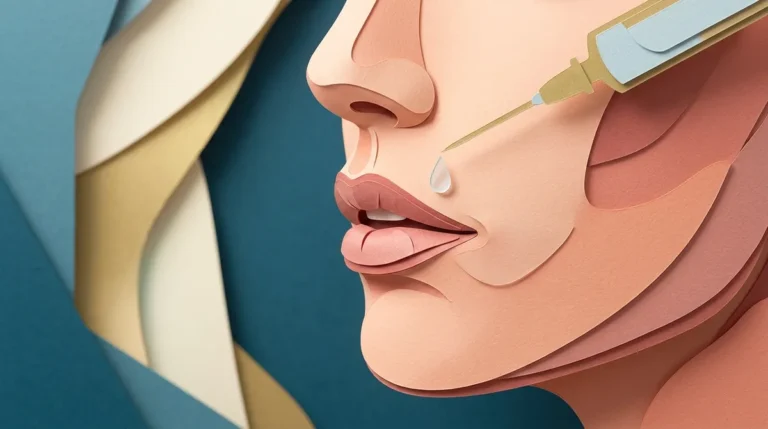
How to Smooth Lip Lines with Botox for Lasting Results
Learn how Botox for lip lines works, who it’s for, what to expect, and how to get the best results from this quick, effective treatment.


Have you ever wondered how some people seem to achieve that radiant, youthful glow without going under the knife? Well, let me let you in on one of the beauty industry’s best-kept secrets: microneedling! This innovative treatment has taken the medical aesthetics world by storm, and for good reason. If you’re curious about what microneedling is, how it works, and whether it might be right for you, you’ve come to the right place. Let’s dive into everything you need to know about this transformative skin treatment that’s helping people feel more confident in their own skin.
Microneedling, also known as collagen induction therapy, is a minimally invasive cosmetic procedure that’s been helping people address various skin concerns for years. The treatment involves using fine needles to create tiny, controlled punctures in the skin’s surface. I know what you’re thinking—that sounds a bit intimidating! But here’s the beautiful part: these micro-injuries trigger your body’s natural healing response, stimulating collagen and elastin production. The result? Fresher, smoother, more youthful-looking skin that glows from within. It’s like giving your skin a gentle wake-up call to remember how amazing it can look!

Let’s break down the science behind this amazing treatment in a way that makes sense. When those tiny needles create controlled micro-injuries in your skin, your body doesn’t just sit there—it springs into action! Your skin interprets these micro-punctures as minor wounds and immediately begins its natural healing process. This triggers the production of new collagen and elastin, the essential proteins that keep your skin firm, smooth, and youthful-looking.
The process itself is fascinating. During a typical microneedling session, a trained professional uses a specialized device equipped with fine needles that rapidly puncture the skin at controlled depths. The depth can be adjusted based on your specific skin concerns and treatment areas. Think of it as creating thousands of tiny channels in your skin that not only stimulate healing but also allow for better absorption of serums and skincare products. Pretty clever, right?

One of the things I absolutely love about microneedling is its versatility! This treatment isn’t just a one-trick pony—it can help with a wide range of skin concerns. Whether you’re dealing with acne scars that have overstayed their welcome, fine lines that seem to multiply overnight, or uneven skin texture that’s been bothering you for years, microneedling might be your new best friend.
Here are some of the most common concerns that microneedling can help address:
Acne scars and other types of scarring: Those stubborn reminders of past breakouts can be significantly reduced
Fine lines and wrinkles: Say hello to smoother, younger-looking skin
Enlarged pores: Finally, a way to minimize those pesky pores
Uneven skin tone and texture: Achieve that smooth, even complexion you’ve been dreaming about
Sun damage and age spots: Turn back the clock on sun exposure
Stretch marks: Yes, even those can be improved!
Overall skin rejuvenation: Because sometimes you just want to glow
Absolutely! In fact, acne scarring is one of the most popular reasons people seek out microneedling treatments. The procedure works by breaking down old scar tissue and stimulating the production of new collagen to fill in those indentations. Multiple sessions are typically recommended for optimal results, but many people notice significant improvements in the texture and appearance of their acne scars. At Enhanced Aesthetics & Wellness in Pahrump, Nevada, our experienced team has helped countless clients achieve smoother, more even-toned skin through customized microneedling treatments.

Let me walk you through what a typical microneedling session looks like so you know exactly what to expect. First things first—don’t worry about pain! Most practitioners apply a topical numbing cream about 30-45 minutes before your treatment to ensure you’re comfortable throughout the process. Once you’re nice and numb, the actual microneedling procedure begins.
The treatment itself usually takes between 30 minutes to an hour, depending on the size of the treatment area. Your practitioner will move the microneedling device across your skin in a systematic pattern, ensuring even coverage. You might feel a slight sensation, but it’s generally well-tolerated thanks to that numbing cream. Many people describe it as feeling like light sandpaper being moved across their skin—not exactly a day at the spa, but definitely manageable!
Here’s the good news: microneedling has minimal downtime compared to more invasive procedures. Immediately after your treatment, your skin will look red and flushed—similar to a moderate sunburn. This is completely normal and actually a sign that your skin’s healing process has been activated! For more information about aftercare and what to expect, check out our comprehensive guide on skincare treatments and recovery.
Most people experience redness for 24-48 hours, though some may notice it for up to a few days. You might also experience some mild swelling, tightness, or flaking as your skin heals. The key is to be gentle with your skin during this time—think of it as giving your face some well-deserved TLC while it works its magic from within.

Taking proper care of your skin after microneedling is absolutely crucial for achieving the best possible results. Think of it this way: you’ve just invested time and money into this treatment, so why not maximize those benefits? Here’s how to care for your skin post-treatment:
Keep it clean and gentle: Use a mild, non-irritating cleanser for the first few days
Hydrate, hydrate, hydrate: Apply a gentle moisturizer to keep your skin happy
Avoid direct sun exposure: Your skin is extra sensitive right now, so wear that SPF religiously!
Skip the makeup: Give your skin at least 24 hours to breathe before applying cosmetics
Say no to harsh products: Avoid retinoids, acids, and exfoliants for at least a week
Don’t pick or scratch: Let any flaking skin come off naturally
According to the American Academy of Dermatology, following proper aftercare instructions is essential for optimal healing and results. Your skin is working hard to regenerate and repair itself, so treat it with the love and respect it deserves!
This is one of the most common questions I hear, and the answer is: it depends! Everyone’s skin is unique, and your specific concerns will determine how many treatments you’ll need. Generally speaking, most people see noticeable improvements after just one session, but for optimal results, a series of 3-6 treatments spaced 4-6 weeks apart is typically recommended.
For milder concerns like fine lines or dull skin, you might achieve your desired results with fewer sessions. More significant concerns like deep acne scars or advanced signs of aging may require additional treatments. The beautiful thing about microneedling is that results are cumulative—each session builds upon the previous one, gradually improving your skin’s appearance over time.
With so many skin rejuvenation options available today, you might be wondering how microneedling stacks up against other popular treatments. Let’s take a quick look at how it compares to some alternatives you might be considering.
Both treatments can improve skin texture and tone, but they work differently. Chemical peels use acids to remove the top layers of skin, while microneedling stimulates collagen production from within. Microneedling typically has less downtime and can be safer for all skin types, whereas chemical peels may cause more visible peeling and require more recovery time. If you’re interested in exploring various treatment options, our team at Enhanced Aesthetics & Wellness can help you determine which approach is best for your unique skin concerns.
Laser treatments can be incredibly effective, but they’re often more expensive and may not be suitable for all skin tones. Microneedling offers a more affordable alternative with less risk of hyperpigmentation, especially for individuals with darker skin tones. Additionally, microneedling typically involves less downtime than ablative laser treatments.
Safety is understandably a top concern when considering any cosmetic procedure, and I’m happy to report that microneedling is generally considered very safe when performed by a qualified professional. The treatment has been studied extensively and approved by regulatory bodies for various aesthetic applications.
That said, microneedling isn’t right for everyone. You should avoid this treatment if you have active acne breakouts, active infections, certain skin conditions like eczema or psoriasis in the treatment area, or if you’re taking certain medications. Additionally, the FDA recommends that only trained professionals perform microneedling procedures to minimize risks and ensure optimal results.
Let’s talk dollars and cents! The cost of microneedling can vary widely depending on your location, the provider’s experience, and the size of the treatment area. On average, you can expect to pay anywhere from $200 to $700 per session. While this might seem like a significant investment, many people find it more affordable than other anti-aging treatments, especially considering the long-lasting results.
Many medical spas and aesthetic clinics offer package deals when you book multiple sessions upfront, which can help reduce the overall cost. Remember, when it comes to your skin, you’re making an investment in yourself—and that’s always worth it! Plus, the confidence boost you’ll feel when you see your skin improving? Absolutely priceless.
Now for the moment you’ve been waiting for—what kind of results can you actually expect from microneedling? Here’s the truth: while results vary from person to person, most people begin noticing improvements in their skin’s texture and tone within a few weeks of their first treatment. However, the most dramatic results typically appear 3-6 months after completing a full series of treatments.
This timeline might seem long, but remember—your skin is literally creating new collagen and rebuilding itself from the inside out! Good things take time, and your patience will be rewarded. Many people report seeing improvements in fine lines, reduced appearance of scars, smaller-looking pores, and an overall more youthful, radiant complexion. For ongoing maintenance and to explore additional treatments that complement microneedling, visit our services page to discover all the ways we can help you achieve your aesthetic goals.
Microneedling is an incredible treatment option for anyone looking to improve their skin’s texture, tone, and overall appearance without surgery or extensive downtime. Whether you’re battling acne scars, fighting the visible signs of aging, or simply want to achieve that coveted healthy glow, microneedling might be the solution you’ve been searching for. The treatment works with your body’s natural healing processes to create real, lasting improvements in your skin’s health and appearance.
Of course, the best way to determine if microneedling is right for you is to consult with a qualified professional who can assess your skin and discuss your specific goals and concerns. They can create a customized treatment plan tailored to your unique needs and help you achieve the beautiful, confident skin you deserve. Remember, investing in your skin is investing in yourself, and that’s always a decision worth celebrating!
Ready to experience the transformative benefits of microneedling for yourself? Contact us today to schedule your consultation and take the first step toward achieving your skin goals!
Q: Does microneedling hurt?
A: Most people find microneedling to be relatively comfortable, especially when a topical numbing cream is applied beforehand. You might feel some light pressure or a scratching sensation during the treatment, but it’s generally well-tolerated. Think of it as a minor discomfort for major skin improvements—totally worth it!
Q: How long does it take to see results from microneedling?
A: While some people notice improvements in skin texture within a few days, the most visible results typically appear 4-6 weeks after treatment as your skin produces new collagen. For optimal results, most people complete a series of 3-6 treatments spaced about a month apart. Patience pays off with this one—your skin is literally rebuilding itself from the inside out!
Q: Can I wear makeup after microneedling?
A: It’s best to wait at least 24 hours before applying makeup after your microneedling treatment. Your skin needs time to heal, and applying makeup too soon could introduce bacteria into those tiny channels or irritate your sensitive skin. Give your face a break and let it breathe—your skin will thank you for it!
Q: Is microneedling safe for all skin types?
A: Yes! One of the wonderful things about microneedling is that it’s generally safe for all skin types and tones. Unlike some laser treatments that can cause hyperpigmentation in darker skin, microneedling carries a much lower risk. However, it’s always best to consult with a qualified professional to ensure it’s the right treatment for your specific skin concerns and conditions.
Q: How often should I get microneedling treatments?
A: For best results, most people schedule microneedling treatments every 4-6 weeks for a series of 3-6 sessions. After completing your initial series, many people maintain their results with treatments every 6-12 months. Your skincare professional can help create a personalized treatment schedule based on your unique skin goals and how your skin responds to the treatment.
Learn how Botox for lip lines works, who it’s for, what to expect, and how to get the best results from this quick, effective treatment.

Discover the top benefits of IV hydration therapy in Pahrump NV for glowing skin, more energy, and total wellness at Enhanced Aesthetics & Wellness.
