
7 Face Laser Treatments That Actually Work (2026 Guide)
Discover 7 proven face laser treatments available in 2026. From BBL to CoolPeel, learn which option delivers the results you want with minimal downtime.

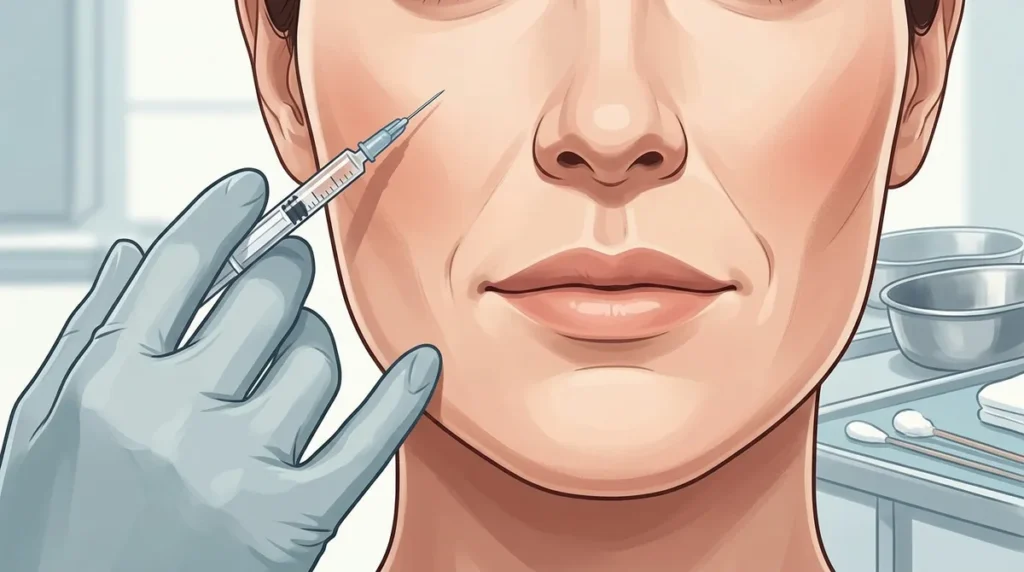
Choose your injector based on experience and credentials, not price—the nasolabial area contains important blood vessels, and improper injection carries real risks of complications.
Avoid the common misconception that filler should completely erase nasolabial folds; the goal is to soften them, as some natural definition actually looks more youthful and realistic.
Treat the midface and cheeks first rather than injecting directly into the fold—this comprehensive approach creates more natural, longer-lasting results by addressing the root cause of deepening lines.
Allow 1-2 weeks for swelling to fully settle before judging your results; initial post-treatment swelling is normal and final results won't be visible immediately after your appointment.
Follow pre-treatment and post-treatment instructions carefully, including avoiding blood thinners, alcohol, and strenuous exercise, to minimize bruising and protect your filler placement.
Most hyaluronic acid fillers last 6-18 months; maintain consistent treatment schedules to keep results natural-looking, as waiting too long between appointments means starting from scratch each time.
Those lines that run from your nose down to the corners of your mouth — yep, we’re talking about nasolabial folds. They’re completely natural. But if yours have become deeper or more noticeable, it’s easy to feel self-conscious about them. The good news? Dermal Fillers can make a real difference. The not-so-good news? There are plenty of mistakes people make when getting filler for nasolabial lines that lead to disappointing — or even problematic — results. Whether you’re considering your first treatment or you’ve been there before, this guide will help you avoid the most common pitfalls and get the natural, refreshed look you’re after.
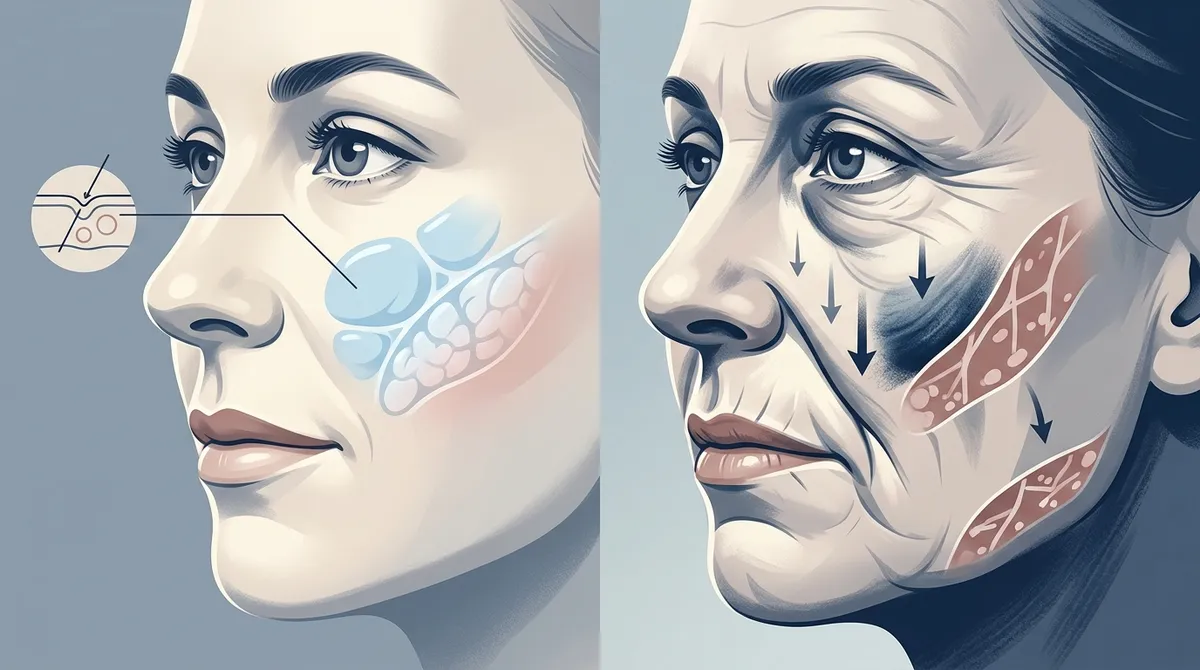
Nasolabial folds are the creases that run from the sides of your nose to the corners of your mouth. Almost everyone has them to some degree. When you smile, they become more visible. That’s totally normal!
As we age, facial volume decreases. The skin loses support from below. Gravity does its thing. The result? Those folds become deeper and more defined over time. Sun exposure, lifestyle habits, and genetics also play a role.
Understanding why nasolabial lines form helps you understand how filler can help — and what can go wrong when it’s done incorrectly. If you want a deeper dive into the topic, check out our guide on how to smooth nasolabial folds with dermal fillers.
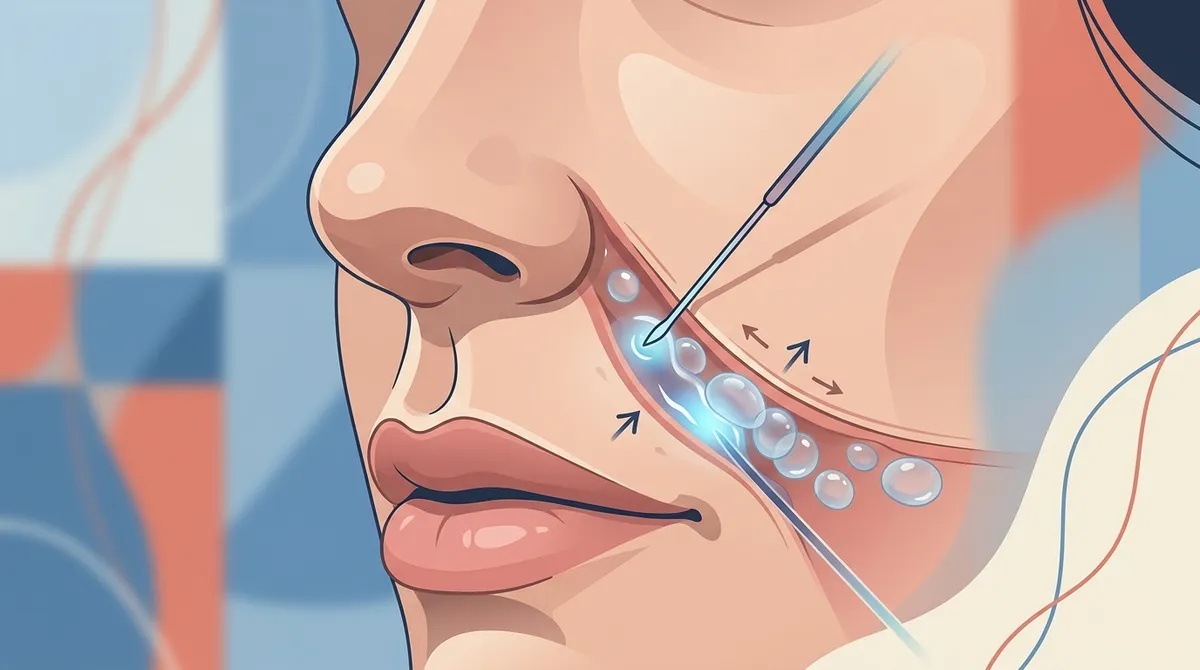
Dermal fillers — most commonly hyaluronic acid (HA) fillers — are injected into or around the fold to add volume and support. This softens the crease and gives the face a more rested, youthful look.
Treatment is usually quick. Most sessions take about 15 to 30 minutes. Results typically last 6 to 12 months, and some products may last up to 18 months or longer depending on the person and product used.
One important thing to know: good injectors don’t always treat the fold directly. Sometimes, adding volume to the midface or cheeks gives a better, more natural result. This is why choosing an experienced provider matters so much. Learn more about nasolabial filler facts that will change how you see smile lines.
We get it — cost matters. But the nasolabial area contains important blood vessels. Improper injection here carries real risks. Choosing the cheapest option can lead to poor results or even complications. Always prioritize experience and credentials over price.
Filler injections should only be performed by trained, licensed medical professionals. Ask about their experience with facial anatomy and injectable treatments specifically. A skilled injector understands the difference between restoring natural volume and overfilling.
This is one of the biggest misconceptions. The goal of filler for nasolabial lines is to soften the fold, not eliminate it entirely. Some definition in that area is natural and actually looks better. Completely erasing it can look unnatural and overdone.
A proper consultation is non-negotiable. Your provider should assess your full facial anatomy, discuss your goals, and explain what’s realistic. Skipping this step means you might not get the treatment that’s truly right for you. Schedule a consultation before committing to any treatment.
Many people lose volume in their cheeks and midface first. This causes the skin above to sag, which deepens the nasolabial fold. If your injector only treats the fold directly without considering the bigger picture, results will be less natural and shorter-lasting.
A comprehensive approach often involves treating the cheeks first, then reassessing the fold. This is why choosing a provider who thinks holistically about your face makes all the difference. You can also explore Morpheus8 for skin tightening that can complement filler results beautifully.
More isn’t always better. Overfilling the nasolabial area can create a shelf-like appearance or make the face look puffy. A good injector will use conservative, precise dosing and build gradually over time.
Certain medications, supplements, and health conditions can affect your results or increase your risk of complications. Blood thinners, for example, can increase bruising. Always be fully honest during your consultation. Your safety depends on it.
Your provider will likely recommend avoiding alcohol, certain supplements, and blood-thinning medications for a few days before treatment. Ignoring this advice can lead to increased bruising and swelling. Follow pre-care instructions carefully.
Many people panic when they see their results immediately after treatment. Swelling is normal! Initial swelling typically settles within one to two weeks. Final results become clear only after swelling fully resolves. Don’t judge your results too soon.
After getting filler for nasolabial lines, avoid touching, pressing, or massaging the area unless specifically told to do so by your provider. Unnecessary manipulation can shift the filler before it settles properly.
A follow-up visit gives your provider a chance to assess your results and make any small corrections if needed. Skipping this step means minor issues go unaddressed. Always attend your scheduled follow-up.
Filler results are temporary. Waiting too long between treatments means the filler fully dissolves and you’re starting from scratch each time. Maintaining a consistent schedule keeps results looking natural and may require less product over time.
Different hyaluronic acid fillers have different consistencies, lift capacities, and ideal placement depths. Not all are suited for every area of the face. Your provider should select the right product for your specific needs and anatomy. You can also explore the 14 types of dermal fillers that actually work to better understand your options.
When filler for nasolabial lines is done well, you look refreshed — not “done.” Friends may notice you look well-rested or younger, but they can’t quite put their finger on why. The fold is softer, the face looks more supported, and expressions remain natural.
| Aspect | Good Results | Signs of Issues |
|---|---|---|
| Appearance | Natural, softened fold | Overfilled, puffy, or shelf-like |
| Movement | Normal facial expressions | Stiff or unnatural movement |
| Symmetry | Balanced on both sides | Noticeable asymmetry |
| Duration | 6–18 months depending on product | Dissolves too quickly or looks lumpy |
| Side Effects | Minor swelling, brief tenderness | Prolonged swelling, skin changes |
Mild side effects after filler treatment are normal. Here’s a quick breakdown of what to expect versus what to watch for:
Normal and expected side effects:
Signs you should contact your provider right away:
Serious vascular events are rare but recognized risks in facial injection procedures. This is precisely why working with an experienced, medically trained provider is so important. For more on safety, check out 7 mistakes to avoid when getting dermal fillers for smile lines.
Preparation matters. Here are the steps most providers recommend before your filler for nasolabial lines session:
Post-care is just as important as the treatment itself. Following these steps helps protect your results:
Filler is one of the most effective ways to address nasolabial lines, but it works even better when combined with complementary treatments. Skin quality improvements can make filler results look more natural and last longer.
Options that pair well with filler include SkinPen Microneedling to improve skin texture, PRP Therapy for natural collagen stimulation, and Neurotoxins like Botox to address dynamic lines in nearby areas. A personalized plan that addresses multiple concerns at once gives the most comprehensive result.
If you’re not sure where to start, read our article on how to choose the right dermal filler for your skin goals.
At Enhanced Aesthetics & Wellness in Pahrump, Nevada, our team takes a thoughtful, personalized approach to every filler treatment. We assess your full facial anatomy, listen to your goals, and create a plan that’s just right for you. We believe beautiful results should look natural — and we’re committed to your safety every step of the way.
Want to see what our clients are saying? Visit us on Google — Enhanced Aesthetics & Wellness to read real reviews from real clients in the Pahrump area.
You can also follow along on our Instagram and our Facebook page for treatment updates, tips, and before-and-after inspiration.
| Feature | Details |
|---|---|
| Treatment Time | About 15–30 minutes |
| Filler Type | Hyaluronic acid (HA) fillers most common |
| Results Duration | 6–18 months (varies by product and patient) |
| Downtime | Minimal; swelling settles in 1–2 weeks |
| Reversible? | Yes — HA fillers can be dissolved if needed |
| Best Candidate | Adults with moderate to deep nasolabial folds |
Filler for nasolabial lines is one of the most popular and effective non-surgical treatments available in 2026. When done right, it creates a natural, refreshed look that can boost your confidence and turn back the clock. But as you’ve seen, there’s a lot that can go wrong when the wrong choices are made — from picking an unqualified provider to overfilling or skipping aftercare.
Avoid the 13 mistakes covered in this guide, and you’re already ahead of the game. Knowledge is your best tool when it comes to getting safe, beautiful results. Explore more about fillers for smile lines and learn how this treatment could work for you.
Ready to take the next step? Book your filler consultation with Enhanced Aesthetics & Wellness in Pahrump, Nevada today — and let us help you look and feel your absolute best.
Q: How long does filler last in nasolabial lines?
A: Most hyaluronic acid fillers used for nasolabial lines last about 6 to 12 months, though some products can last up to 18 months or longer depending on the filler type, placement, and how your body metabolizes it. Staying on a consistent maintenance schedule helps keep your results looking fresh and natural over time!
Q: Does filler in nasolabial folds look natural?
A: Yes — when done by a skilled, experienced injector, filler for nasolabial lines looks very natural. The goal is to soften the fold and restore youthful support, not erase every line completely. The best results leave you looking refreshed and well-rested rather than obviously “treated.”
Q: Is filler for nasolabial lines safe?
A: Filler in the nasolabial area is generally very safe when performed by a qualified medical professional. Common side effects like mild swelling and bruising are temporary. Serious complications are rare but possible, which is exactly why choosing an experienced, trained provider is so important.
Q: How much filler is needed for nasolabial folds?
A: The amount of filler needed varies from person to person depending on the depth of the fold, overall facial volume, and your aesthetic goals. Your provider will recommend a personalized amount during your consultation — and a conservative, gradual approach usually gives the most natural-looking results.
Q: Can nasolabial folds be treated without filler?
A: Yes! While filler is one of the most effective options, treatments like SkinPen Microneedling, PRP Therapy, Morpheus8, and neurotoxins can complement or sometimes reduce the appearance of nasolabial lines depending on your unique concerns. A personalized consultation will help determine the best approach for you.
Discover 7 proven face laser treatments available in 2026. From BBL to CoolPeel, learn which option delivers the results you want with minimal downtime.

Trust certified Botox providers to enhance your natural beauty safely. Visit Enhanced Aesthetics & Wellness in Pahrump, NV.
