
Understanding Semaglutide Side Effects: A Complete Guide
Explore the balance of benefits and semaglutide side effects. Get expert insights on managing diabetes and weight loss effectively.


Choose only licensed medical professionals with specific training in facial injectable treatments to perform filler procedures, as improper injection technique can cause serious complications including vascular occlusion, tissue damage, or blindness.
Always attend a thorough consultation where your injector reviews medical history, medications, facial anatomy, and discusses specific filler recommendations before treatment to avoid wrong product selection and missed contraindications.
Understand that cosmetic fillers and neurotoxins (Botox) work differently and treat different concerns; combining both treatments often delivers better results than using one alone for complete facial rejuvenation.
Follow pre-treatment instructions like avoiding blood thinners and alcohol for 24-48 hours, and post-treatment care like avoiding intense heat and exercise for 24-48 hours to protect your results and minimize complications.
Select appropriate facial treatment areas based on your anatomy and goals, as using thick fillers in delicate zones or pursuing trends without considering your face structure leads to unnatural-looking results.
Be aware that hyaluronic acid fillers last 6-18 months and are reversible, while permanent fillers carry higher long-term risks of complications including migration and granuloma formation.
Cosmetic fillers are one of the most popular treatments at med spas today. They restore lost volume, smooth out wrinkles, and refresh your appearance — all without surgery. But here’s the thing: even great treatments can go wrong when the wrong choices are made. Whether you’re a first-timer or you’ve had fillers before, avoiding these common mistakes can make all the difference in how you look and feel.
In 2026, the global dermal fillers market is booming, valued at over $5 billion and growing fast. More than 1 million people choose injectable dermal fillers every year in the U.S. alone. With so many people getting treated, it’s important to know what separates great results from disappointing ones. Let’s walk through the five biggest cosmetic filler mistakes — and how to steer clear of them.
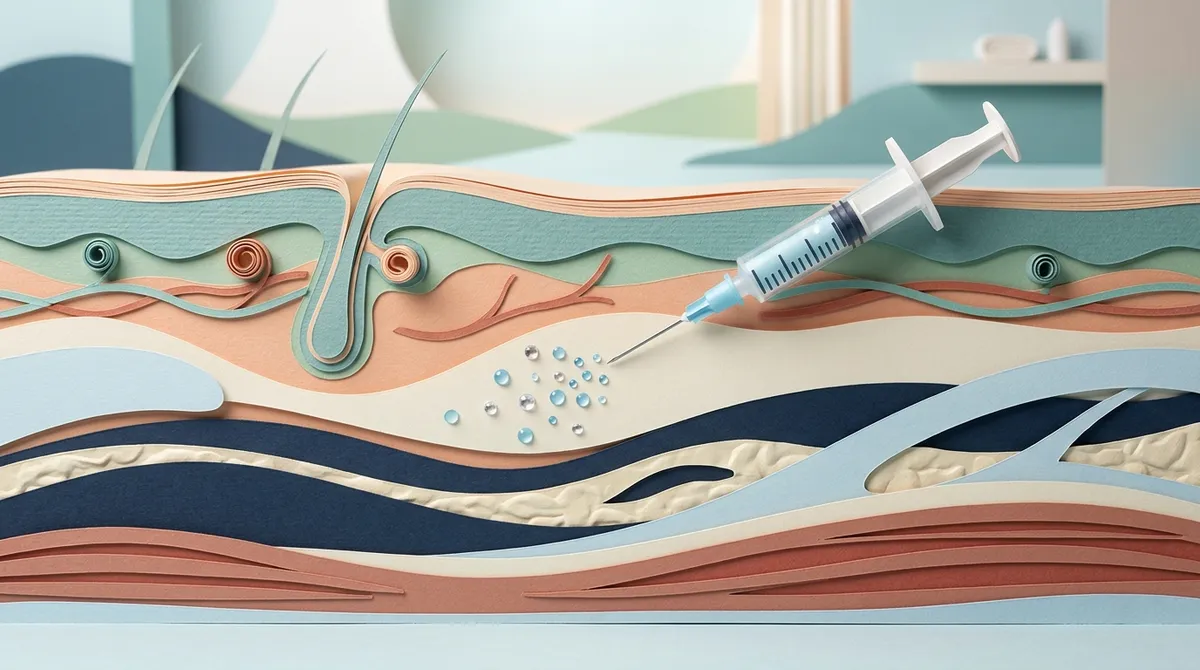
Cosmetic fillers are injectable products that add volume, smooth lines, and reshape facial features. The FDA describes them as medical device implants designed to create a fuller or smoother appearance in areas like the face and hands. They work by physically filling in areas that have lost volume or developed wrinkles over time.
There are several types of cosmetic fillers available today. Each one works a little differently and lasts for a different amount of time. Here’s a quick comparison:
| Filler Type | How It Works | How Long It Lasts | Common Uses |
|---|---|---|---|
| Hyaluronic Acid (HA) | Attracts and holds water for instant volume | 6–18 months | Lips, cheeks, under eyes, nasolabial folds |
| Calcium Hydroxylapatite (CaHA) | Stimulates collagen while adding structure | 12–18 months | Cheeks, jawline, deep folds |
| Poly-L-Lactic Acid (PLLA) | Stimulates collagen gradually over time | Up to 2 years | Volume loss in cheeks and temples |
| Polycaprolactone (PCL) | Long-acting collagen stimulator | 2–4 years | Deep volume restoration |
Hyaluronic acid fillers are by far the most widely used. They provide immediate results and are generally considered reversible — which makes them a popular starting point for many patients. You can learn more about your options by exploring the types of dermal fillers that actually work in 2026.

This is the single biggest mistake people make. Cosmetic fillers may seem simple, but the injection process requires deep knowledge of facial anatomy. An inexperienced injector can cause serious complications including bruising, lumps, vascular occlusion, tissue damage, or even blindness.
The face has a complex network of blood vessels. Injecting into or near one of them can block blood flow to critical areas. This is why injector skill and training are non-negotiable. Always verify that your provider is a licensed medical professional with specific training in facial injectable treatments.
When looking for a qualified provider, here’s what to check:
At Enhanced Aesthetics & Wellness in Pahrump, Nevada, every treatment is performed by trained medical professionals. Their team is dedicated to your safety and to delivering beautiful, natural-looking results. You can visit Enhanced Aesthetics & Wellness on Google to read real patient reviews and see why locals trust them.
Many people walk into a treatment without a proper consultation. This is a big mistake. A consultation is where your injector assesses your facial structure, skin condition, and goals. It’s also where you discuss your medical history and any medications you’re taking.
Skipping this step can lead to the wrong filler being used in the wrong area. It can also mean important contraindications get missed. For example, certain blood thinners can increase bruising risk significantly.
A good consultation should cover:
If a provider skips any of these steps, consider that a red flag. A great consultation sets you up for great results. You can learn more about what to expect by reading about how to choose the right dermal filler for your skin goals.
Not every area of the face — or body — is appropriate for cosmetic fillers. The FDA specifically warns against using dermal fillers for body contouring applications like breast or buttock augmentation. Injectable silicone is also not approved for aesthetic use. These off-label uses carry serious risks including infection, migration, and permanent disfigurement.
On the face, fillers can safely treat many areas. But matching the right filler to the right zone is essential. Using a thick, structural filler where a softer one is needed can lead to lumps or an unnatural look.
Common facial areas treated with cosmetic fillers include:
Your injector should guide you on which areas are appropriate for your goals and anatomy. Chasing trends without considering your individual facial structure often leads to results that don’t look quite right. Follow us on our Instagram to see real before-and-after photos and treatment highlights from our team.
This mistake trips up a lot of first-time patients. Cosmetic fillers and neurotoxins (like Botox, Dysport, or Xeomin) are not the same thing. They work differently and treat different concerns. Using one when you actually need the other — or only using one when both would help — can leave you with incomplete results.
Here’s a simple breakdown of the difference:
| Treatment | How It Works | Best For |
|---|---|---|
| Cosmetic Fillers | Adds volume and structure | Volume loss, deep folds, lip enhancement |
| Neurotoxins (Botox, etc.) | Relaxes muscles to reduce movement | Dynamic wrinkles from facial expressions |
Many patients benefit from combining both treatments. Fillers restore volume while neurotoxins prevent dynamic wrinkles from forming or worsening. This combination approach is sometimes called a “liquid facelift.” Learn more about the differences in our article on what is the difference between dermal fillers and Botox.
If you’re only getting one treatment when two are needed, you may feel like the results aren’t quite reaching your goals. Talk to your provider about whether a combined treatment plan makes sense for you. Enhanced Aesthetics & Wellness offers a full range of neurotoxin treatments alongside cosmetic fillers for a fully customized approach.
Even the best filler treatment can be undermined by poor aftercare. Many patients don’t realize how important the days before and after their appointment really are. Ignoring prep and recovery instructions is one of the most common — and most avoidable — mistakes.
Before your cosmetic filler appointment, you should typically:
After your treatment, the following guidelines help protect your results:
Swelling and minor bruising are normal after cosmetic fillers. These typically resolve within a few days to two weeks. However, severe or unusual symptoms should always be reported to your injector right away. For a look at the full range of treatments available at our med spa, explore the 9 best med spa treatments in Pahrump, Nevada in 2026.
Cosmetic fillers are generally safe when performed by trained professionals using FDA-approved products. But like any medical procedure, they carry risks. Being aware of these risks helps you make an informed decision and know what to watch for after treatment.
Common side effects include:
Rare but serious complications can include:
The FDA notes that permanent fillers carry a higher long-term risk of complications including migration and granuloma formation. This is one reason why temporary fillers — especially hyaluronic acid-based options — are so widely preferred. Hyaluronic acid fillers also have the added benefit of being reversible if you’re unhappy with your results or experience a complication.
Want to learn more about combining fillers with other facial rejuvenation options? Check out what Morpheus8 can do for skin tightening and texture alongside your filler treatment. You can also explore complementary options like PRP Therapy for natural skin rejuvenation.
Stay connected and inspired by following us on our Facebook page for tips, specials, and treatment information.
Cosmetic fillers are a great option for a wide range of people. You don’t have to wait until you see significant aging signs to start benefiting. In fact, many younger patients use fillers as a preventive and enhancement tool.
Good candidates for cosmetic fillers typically:
Cosmetic fillers are not just for women, either. More men than ever are exploring cosmetic injections to look refreshed and confident. The medical aesthetics market is growing rapidly — projected to grow from $9.46 billion in 2026 to $17.45 billion by 2031 — and a significant portion of that growth is driven by men entering the market.
If you’re curious whether cosmetic fillers are right for you, the best first step is a consultation. The team at Enhanced Aesthetics & Wellness is warm, welcoming, and happy to help you explore your options. Book your appointment today and take the first step toward looking and feeling your best.
Cosmetic fillers can truly transform how you look and feel — but only when done right. Avoiding these five key mistakes puts you in a much better position to enjoy safe, beautiful, and long-lasting results. Choose a qualified injector, attend your consultation, target appropriate treatment areas, understand how fillers differ from neurotoxins, and follow your aftercare instructions carefully.
Whether you’re looking to restore volume, smooth smile lines, enhance your lips, or refresh tired-looking eyes, there’s a filler solution designed for your goals. You deserve results that look natural and feel amazing. Ready to take the next step? Contact Enhanced Aesthetics & Wellness in Pahrump, Nevada today to schedule your personalized consultation — and let’s create a treatment plan that’s made just for you.
Q: What are cosmetic fillers used for in medical aesthetics?
A: Cosmetic fillers are used to restore lost facial volume, smooth wrinkles and deep folds, enhance lips, and improve facial contours. They’re a fantastic non-surgical option for anyone who wants a refreshed, more youthful appearance without any downtime!
Q: How long do cosmetic fillers last?
A: It really depends on the type of filler used! Hyaluronic acid fillers typically last 6 to 18 months, while biostimulatory fillers like poly-L-lactic acid can last up to two years or more. Your provider will help you choose the best option for your goals and lifestyle.
Q: What is the difference between hyaluronic acid fillers and biostimulatory fillers?
A: Hyaluronic acid fillers add volume instantly by attracting water to the treated area and are reversible if needed. Biostimulatory fillers like poly-L-lactic acid work gradually by stimulating your body’s own collagen production for longer-lasting, more natural results over time.
Q: Are cosmetic fillers safe?
A: Yes — when performed by a trained, licensed medical professional using FDA-approved products, cosmetic fillers are considered safe and effective. Like any medical treatment, there are risks involved, which is why choosing an experienced injector and following pre- and post-care instructions is so important.
Q: What areas of the face can be treated with cosmetic fillers?
A: Cosmetic fillers can safely treat many facial areas including the cheeks, lips, under eyes, nasolabial folds, marionette lines, chin, jawline, temples, and forehead. Your provider will assess your unique facial structure and goals to recommend the best treatment areas for you!
Explore the balance of benefits and semaglutide side effects. Get expert insights on managing diabetes and weight loss effectively.

Discover how laser pigmentation removal can eliminate dark spots, sun damage, and uneven skin tone. Learn about treatment options, costs, and what to expect near Pahrump, NV.
