
Where can I get a B12 injection?
We require vitamins and minerals for our bodies to properly function. If one of these vitamins is lacking, it can cause serious medical issues. For

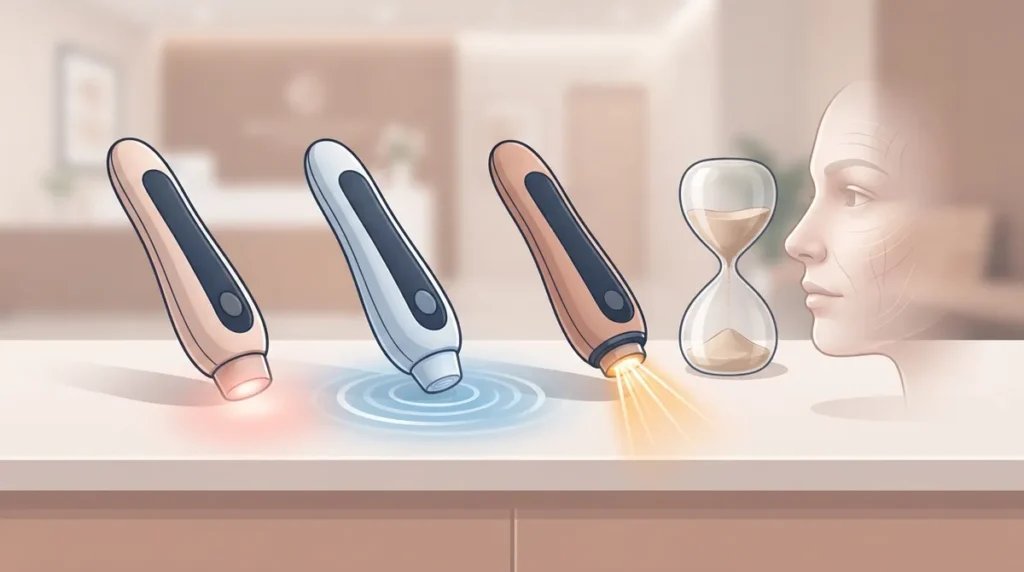
Noninvasive radiofrequency and focused ultrasound give gradual, modest tightening, with noticeable results building over roughly 2 to 6 months rather than immediately.
Resurfacing lasers often make the biggest visible difference for fine lines and rough texture, while RF or ultrasound suits mild laxity with little downtime.
The FDA issued a 2025 safety communication about RF microneedling, citing burns, scarring, fat loss, and nerve damage, so ask about device-specific risks and provider training before booking.
Deeper folds may respond better to dermal fillers, and forehead or frown lines are usually treated first with wrinkle relaxers, since tightening devices don't address those concerns.
No noninvasive tightening treatment matches a surgical facelift; be cautious of any promise of a 'nonsurgical facelift.'
Daily broad-spectrum sunscreen, a gentle cleanser, and a good moisturizer help support and protect results from any tightening treatment.
If you have ever pressed your fingertips along your cheek and gently lifted the skin back, you already know the dream. A little tighter. A little smoother. A little more like the face you remember. The good news is that skin tightening for wrinkles is a real category in medical aesthetics, and you have more than one way to approach it.
The not-so-secret truth is that no single device does everything. Radiofrequency, focused ultrasound, and lasers all work in different ways. Each one fits a different concern, comfort level, and schedule. In this guide, we will compare them in plain language so you can walk into a consultation feeling confident. We will also keep expectations honest. These treatments offer gradual, modest improvement, not a surgical lift.
Whether you are in your 30s and thinking ahead, or well into your 50s and ready for a refresh, you are in good company here.
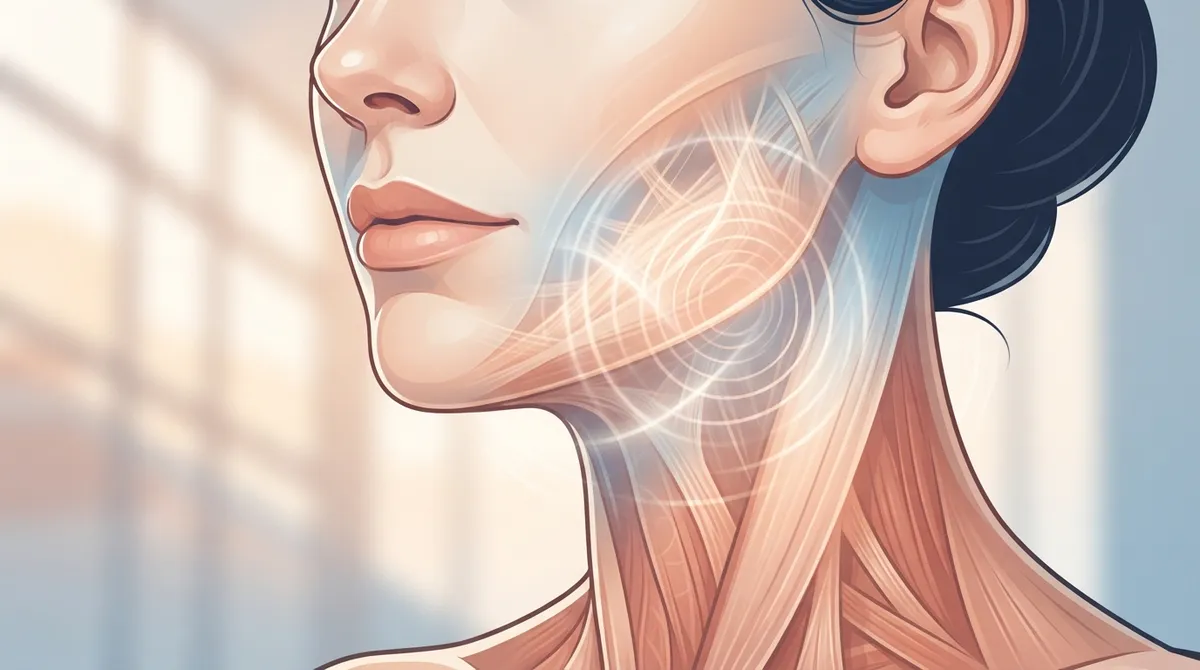
In medical aesthetics, skin tightening means treatments that aim to improve mild skin laxity. Many also soften the look of some fine lines and wrinkles. They do this by encouraging collagen remodeling or by resurfacing the skin.
That is different from two other popular tools:
Think of it this way. Relaxers calm movement. Fillers replace volume. Tightening treatments work on the quality and firmness of the skin itself. Many people use more than one. If you want to understand the injectable side, our guide to anti-wrinkle injectables is a helpful companion read.
Interest is steady. The American Society of Plastic Surgeons reported 439,032 nonsurgical skin-tightening procedures in the United States in 2024, compared with 438,211 in 2023. That is essentially flat, which suggests a stable, loyal group of patients. Skin resurfacing is even bigger, with 3,703,305 procedures in 2024, up 6% from 2023. That category includes several treatments, so it is not only about wrinkles.
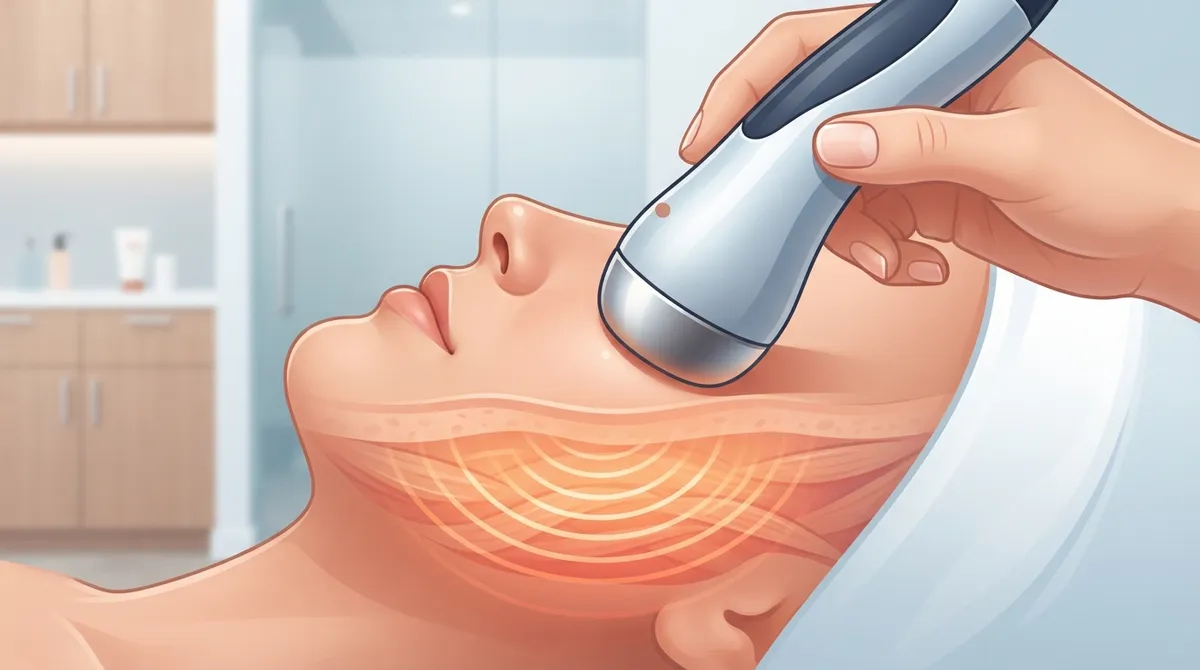
Noninvasive radiofrequency uses energy to heat tissue beneath the skin’s surface. The warmth encourages collagen remodeling over time. Some people notice a bit of immediate tightness, but the real improvement builds slowly.
According to the American Academy of Dermatology (AAD), best results from noninvasive RF are often seen around six months. Its patient guidance also notes that results may last 2 to 3 years with good skin care, though everyone is different.
Sessions feel like deep warmth. Afterward, some redness or mild tenderness is common and usually short-lived. Your clinician will explain how many sessions make sense for your goals.
Focused ultrasound delivers heat to deeper layers of tissue. The idea is to prompt a lifting and tightening response over time.
The AAD describes results from a single treatment as generally modest. They develop over roughly 2 to 6 months. Some patients may benefit from additional treatments down the road.
Short-term effects can include redness, swelling, or tenderness. Because results are gradual, patience is part of the plan.
Lasers are the most varied group, so it helps to split them into two simple camps.
These work beneath the surface without removing the top layer of skin. According to AAD guidance, they may need 3 to 5 sessions. Results develop 2 to 6 months after the final treatment. Downtime is typically light.
Ablative lasers remove thin layers of skin. They can improve fine lines and wrinkles as well as skin texture. They also involve more recovery and a greater risk of side effects than noninvasive options. That tradeoff is worth it for some people, especially those with more visible texture changes or sun damage.
If you are curious about this route, these guides go deeper: why CO2 laser resurfacing is a strong choice for aging skin and what CO2 laser downtime looks like. For gentler resurfacing with less downtime, you can also explore CoolPeel and the Nanolaser Peel.
Here is a quick snapshot to help you compare. Remember, every person responds differently.
| Feature | Noninvasive RF | Focused Ultrasound | Non-Wounding Laser | Ablative Laser |
|---|---|---|---|---|
| How it works | Heats tissue under the skin | Delivers heat to deeper tissue | Stimulates skin without removing the surface | Removes thin skin layers |
| Best for | Mild laxity | Mild to moderate looseness | Texture and early lines | Fine lines, wrinkles, texture |
| Typical timeline | Best results around 6 months | Modest change over 2 to 6 months | 3 to 5 sessions; results 2 to 6 months after the last | Visible change as skin heals |
| Downtime | Minimal | Minimal | Light | More recovery |
| Risk level | Lower | Lower | Lower to moderate | Higher |
This is a big one, and it often gets mixed up. Radiofrequency microneedling combines tiny needles with RF energy. It is a different treatment from noninvasive RF, with its own risk profile.
In 2025, the FDA issued a safety communication about RF microneedling. It cited reports of serious complications, including burns, scarring, fat loss, disfigurement, and nerve damage. That does not mean everyone will have a problem. It does mean you should ask device-specific questions before booking.
Good questions to ask any provider:
If you want to learn more about this category, read our overview of RF microneedling, or see how Morpheus8 compares with traditional microneedling. You can also visit the Morpheus8 service page for details.
Here is the friendly, honest answer: it depends on what kind of wrinkles you have.
Noninvasive options give gradual, modest improvement and do not match surgical lifting. That is not a flaw. It is simply the tradeoff for little or no downtime. Be cautious of any promise of a “nonsurgical facelift.” A good plan is built around your concern, not a device name.
You may be noticing both lines and gentle sagging. A blended plan is common, such as a tightening treatment for skin quality plus injectables for expression lines.
Prevention is a real strategy. Lighter treatments and strong daily skin care can support collagen early. Our guide on personalized skin care mistakes is a great place to start.
You are not alone. Many men want to look rested and sharp, not “done.” Subtle tightening and relaxers are popular choices for a natural result.
Look for low-downtime options and ask about scheduling around events. A good clinic will map out a timeline that fits your calendar.
A strong consultation should feel like a conversation, not a sales pitch. Expect your clinician to:
Choosing the right place matters as much as choosing the right device. Our tips on mistakes to avoid when picking an aesthetic wellness clinic can help you ask smart questions.
Treatments work best when your daily routine pulls its weight. A few simple habits make a difference:
Pahrump’s dry desert air and strong sun can be tough on skin. Our post on living well in the desert without wrecking your skin has practical tips. You may also like medical-grade skin care products that actually work.
For general guidance on firming options, the American Academy of Dermatology shares helpful patient information in its guide to ways to firm sagging skin. It is a trustworthy second opinion to read before any consult.
At Enhanced Aesthetics & Wellness in Pahrump, Nevada, we focus on customized plans. We offer options across skin laxity, tightening, and toning, plus laser treatments, injectables, and more. Our goal is to enhance your natural beauty, not change who you are. If you want a quick tour of what is available locally, see our guide to aesthetic services in Pahrump or browse our skin tightening treatments overview. Curious how real clients feel? You can visit us on Google — Enhanced Aesthetics & Wellness and read what our community says.
There is no single winner in the tightening-for-wrinkles showdown. RF is gentle and gradual. Ultrasound reaches deeper with modest change. Lasers range from light to intensive, and resurfacing lasers often shine for fine lines and texture. RF microneedling is its own category and deserves extra questions.
The best choice is the one matched to your skin, your goals, and your schedule. Patience helps too, since most results build over months. Ready to talk it through with a friendly team? Contact us with your questions, or book an appointment to start your personalized plan at Enhanced Aesthetics & Wellness today.
Q: What is the best skin tightening treatment for wrinkles?
A: There is no single best option, because it depends on your wrinkles and your goals. Resurfacing lasers often help fine lines and texture most, while RF or ultrasound suits mild laxity with little downtime. A consultation can match the treatment to your skin.
Q: How long do nonsurgical skin tightening results take and last?
A: Results build gradually. The American Academy of Dermatology notes noninvasive RF is often best around six months, and ultrasound can take 2 to 6 months. RF results may last 2 to 3 years with good skin care, though outcomes vary from person to person.
Q: What is the difference between RF microneedling and noninvasive radiofrequency?
A: Noninvasive RF heats tissue without needles, while RF microneedling uses tiny needles plus RF energy. They carry different risks. In 2025 the FDA warned about serious complications tied to RF microneedling, so ask about device-specific risks and provider training.
Q: What are the common side effects of skin tightening?
A: Short-term redness, swelling, tenderness, or mild discomfort are common with energy-based treatments. More intensive procedures can involve downtime and risks like pigment changes, burns, or scarring. A qualified clinician should review your candidacy and explain aftercare.
Q: Can skin tightening replace a facelift?
A: Not quite. Noninvasive treatments offer gradual, modest improvement and do not match the results of surgical lifting. They are a great fit if you want subtle refinement with little to no downtime.
We require vitamins and minerals for our bodies to properly function. If one of these vitamins is lacking, it can cause serious medical issues. For

Discover how weight loss peptide therapy in Pahrump can help you burn fat, boost energy, and enhance your beauty from the inside out at Enhanced Aesthetics & Wellness.
